For Busy Readers
This is not an argument that gold is better than stocks over the long run. Good companies can grow revenue, improve margins, compound earnings, and return cash to shareholders. Gold cannot do any of that. It does not innovate. It does not hire a better management team. It does not show up on a conference call and raise guidance.
But markets do not live in one regime forever. When inflation persists, real rates stay high, public debt keeps rising, central-bank independence looks more political, and trust in the dollar becomes less automatic, gold starts to mean something different. It stops looking like a decorative metal and starts looking like insurance against the credit-money system.
As of early June 2026, that question is not theoretical. The U.S. CPI was up 3.8% year over year in April 2026, according to the BLS. The 10-year TIPS real yield was 2.11% on June 4, 2026, according to FRED. That is not a simple "low rates lift gold" story. It is a harder question: if rates are already this high, why has the market not stopped worrying about inflation, debt, and dollar trust?
So the real question is not whether everyone should own gold. It is whether a portfolio should rely entirely on the assumption that stocks, Treasuries, the dollar, and central banks will all keep working in the same comfortable way.
Gold Is Closer to Trust Than to Commodity Demand
Gold is usually grouped with commodities. That is convenient, but it can mislead. Oil is burned. Copper goes into grids and buildings. Lithium goes into batteries. Uranium sits inside a regulated nuclear fuel cycle.
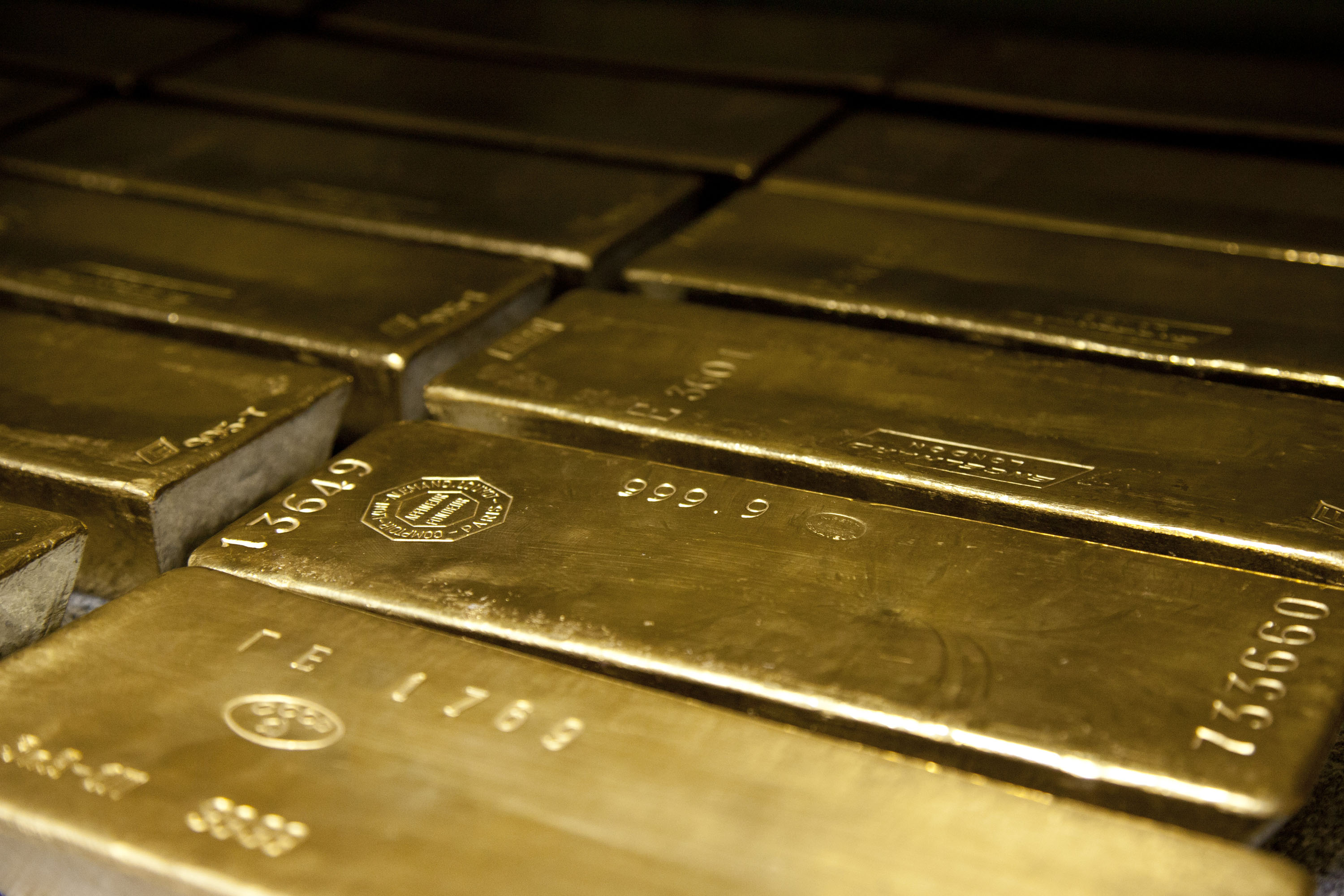
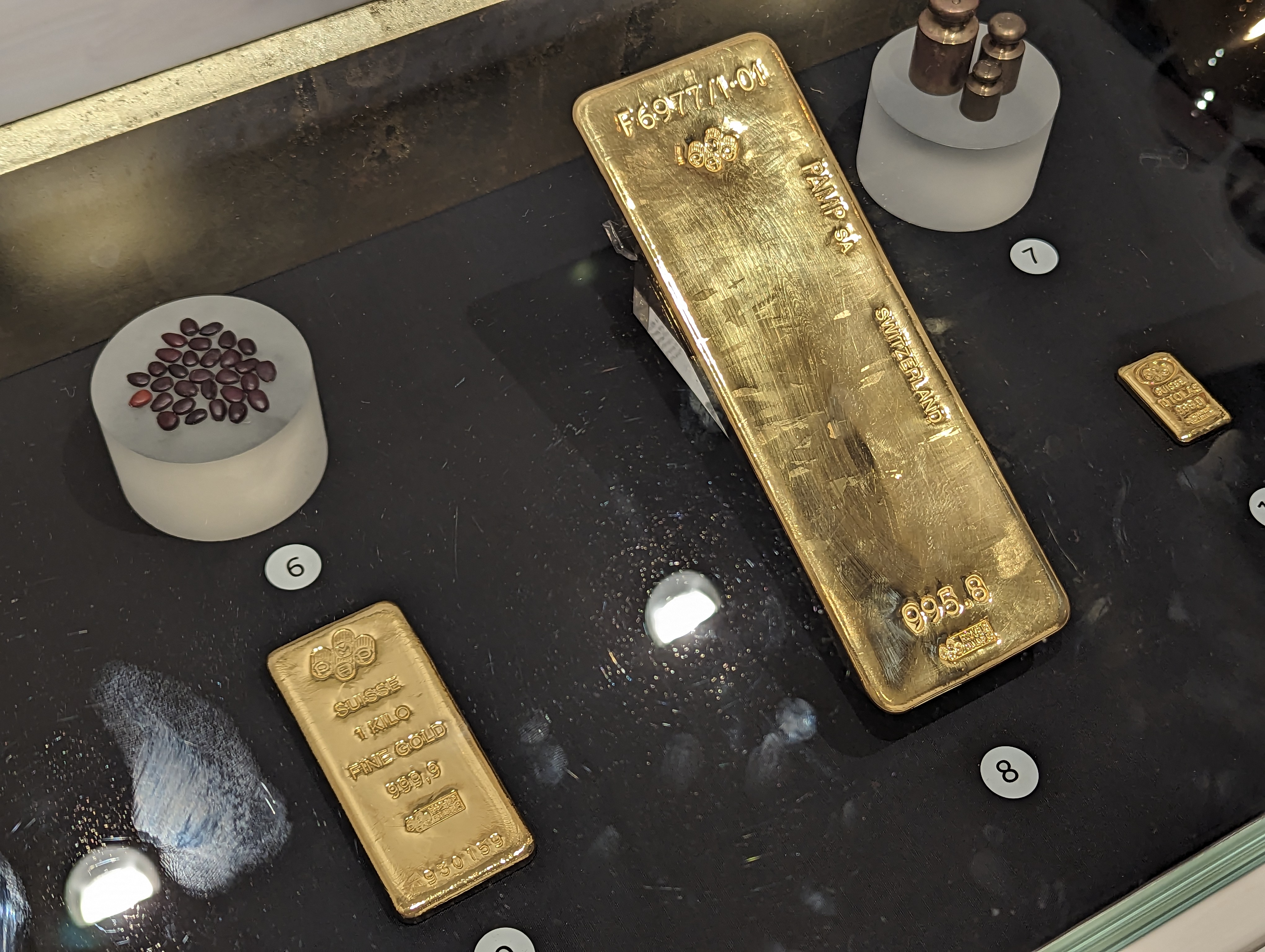
Gold has industrial uses, but industrial use is not the center of the gold price. Gold is different because its value comes mainly from being held. It is not someone else's liability. A bank deposit is a bank liability. A Treasury bond is a government liability. Corporate debt is a company liability. Equity is a claim on future profits. A gold bar is much simpler. It is an asset without a debtor.
In calm periods, that simplicity looks dull. Gold pays no interest. It pays no dividend. It has no operating leverage. When equities are rising, bonds offer attractive real yields, and trust in the dollar is strong, gold can look like a heavy object doing very little.
But when trust weakens, the same feature becomes useful. Investors start asking a basic question: whose promise is this asset ultimately standing on?
The dollar rests on U.S. institutions, economic power, and market depth. Treasuries rest on the U.S. government's ability and willingness to pay. Stocks rest on future corporate earnings. Gold is not promise-free in a philosophical sense, but it is not a contractual claim on someone else's balance sheet.
That is why gold is more than an inflation hedge. It is an asset outside the normal credit chain. Stocks speak the language of growth. Bonds speak the language of credit. Cash speaks the language of liquidity. Gold speaks the less comfortable language of distrust.
When High Rates Do Not Kill Gold
High rates are usually bad for gold. That part is true. Gold pays no yield, so if Treasuries offer strong real income, the opportunity cost of holding gold rises.
The more important question is not whether rates are high. The question is whether those high rates are restoring confidence.
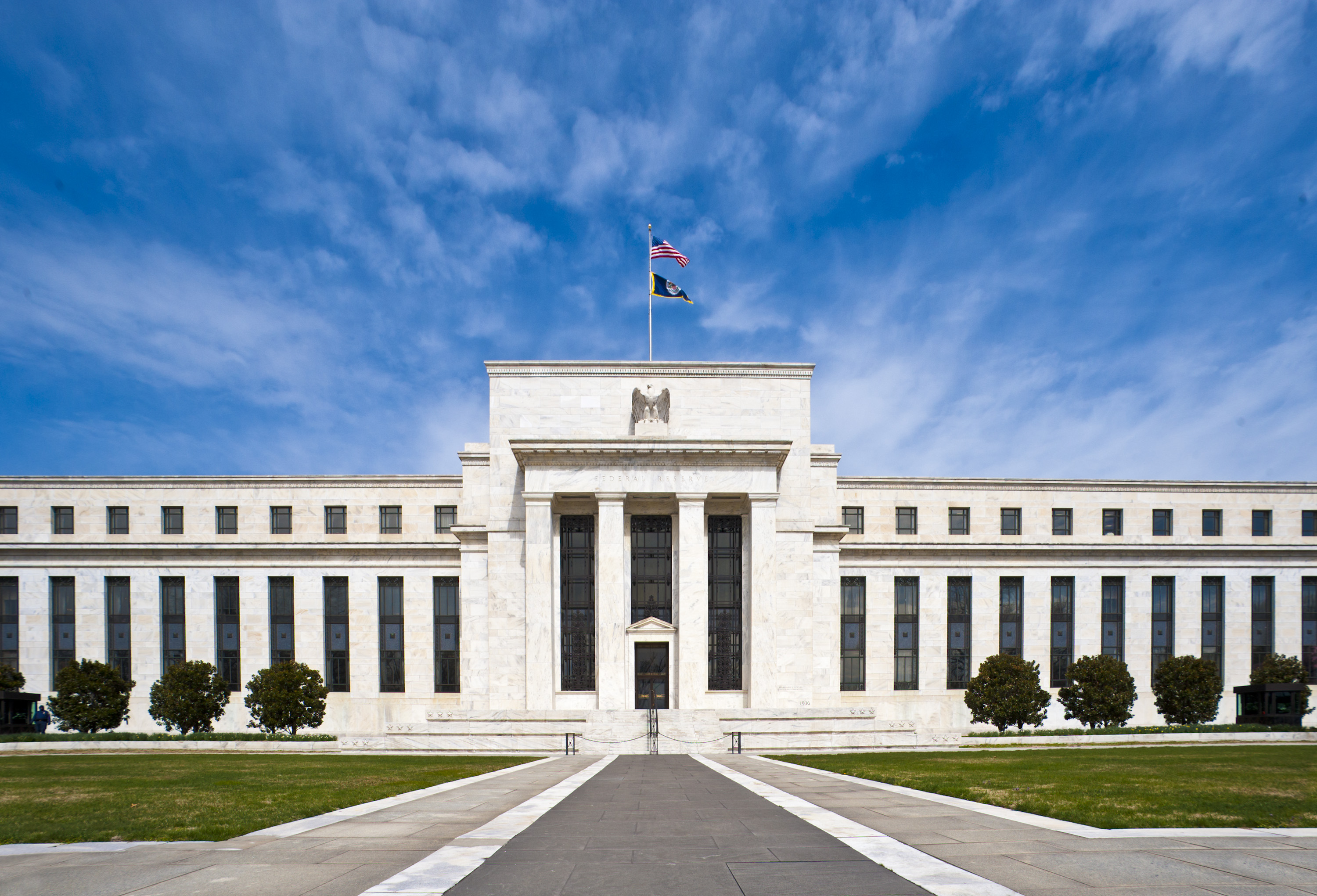
If high rates pull inflation down, anchor expectations, and rebuild confidence in the central bank, gold may lose appeal. In that world, real-yielding bonds can look cleaner.
But the opposite world matters. Rates are high, yet household costs do not cool enough. Energy, food, shelter, and services remain stubborn. Public debt rises, interest expense consumes more fiscal space, and political leaders pressure the central bank to ease. In that world, high rates are not just competition for gold. They are evidence that the system is under strain.
This is why a positive real yield has not automatically ended gold's case. If markets believe the credit-money system is regaining discipline, gold should struggle. If markets believe the discipline is costly, fragile, or politically hard to sustain, gold can still have a role.
Gold Responds to Dollar Doubt, Not Only Dollar Collapse
The weakest version of a gold thesis says the dollar is about to collapse. That is dramatic. It is also too crude.
The dollar does not collapse easily. The United States still has the deepest capital markets, the Treasury market remains the center of global liquidity, and the dollar is still dominant in reserves, trade, and finance.
But a dollar that remains dominant can still be questioned. Gold does not need a dollar collapse to matter. It only needs the world to become less comfortable with putting too much of its reserve wealth inside one country's financial system.

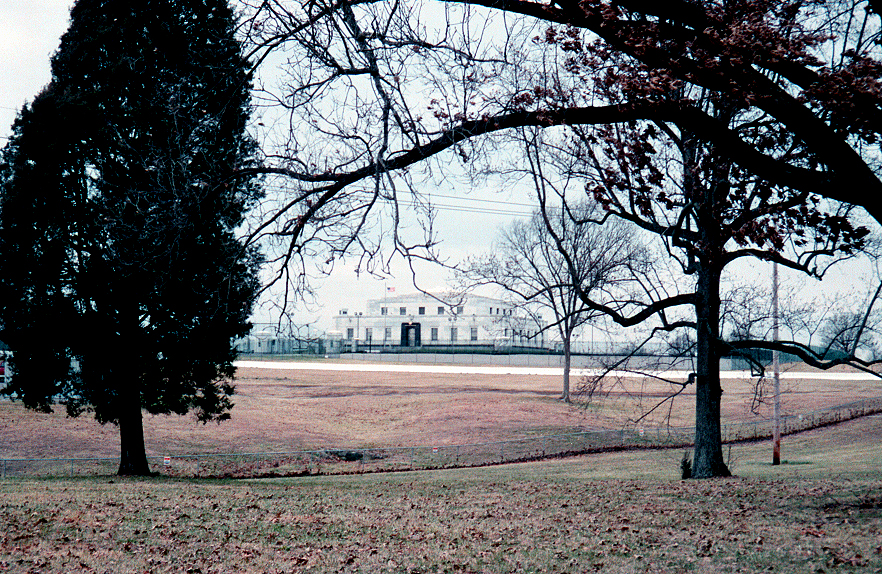
IMF COFER data for Q4 2025 show the dollar at 56.77% of allocated foreign-exchange reserves. That is still dominant. Yet the direction of reserve thinking is changing. In the World Gold Council's 2025 central-bank survey, 95% of respondents expected global central-bank gold reserves to rise over the following 12 months, while 73% expected the dollar's share of global reserves to be lower in five years.
Gold cannot replace the dollar. It cannot settle the world's trade flows by itself, and it does not offer the liquidity of the Treasury market. But it can reduce dependence on a single reserve system. It is not another government's liability. It is not directly tied to one central bank's policy rate. In a sanctions-aware world, that matters.
Demand Is Moving From Jewelry Counters to Vaults
Gold demand used to be discussed mainly through jewelry. India and China, wedding seasons, festivals, household savings, and physical gold culture all mattered. They still do.
But high prices hurt jewelry demand. Consumers buy less, trade down, delay purchases, or recycle old gold. Jewelry demand is culturally resilient, but it is still price-sensitive.
Investment demand behaves differently. Rising prices can attract attention rather than destroy it. Investors buy bars, coins, ETFs, and digital gold products because the price move itself confirms the safe-haven story. Central banks are different again. They do not buy gold for a one-quarter return. They buy it as part of reserve management.

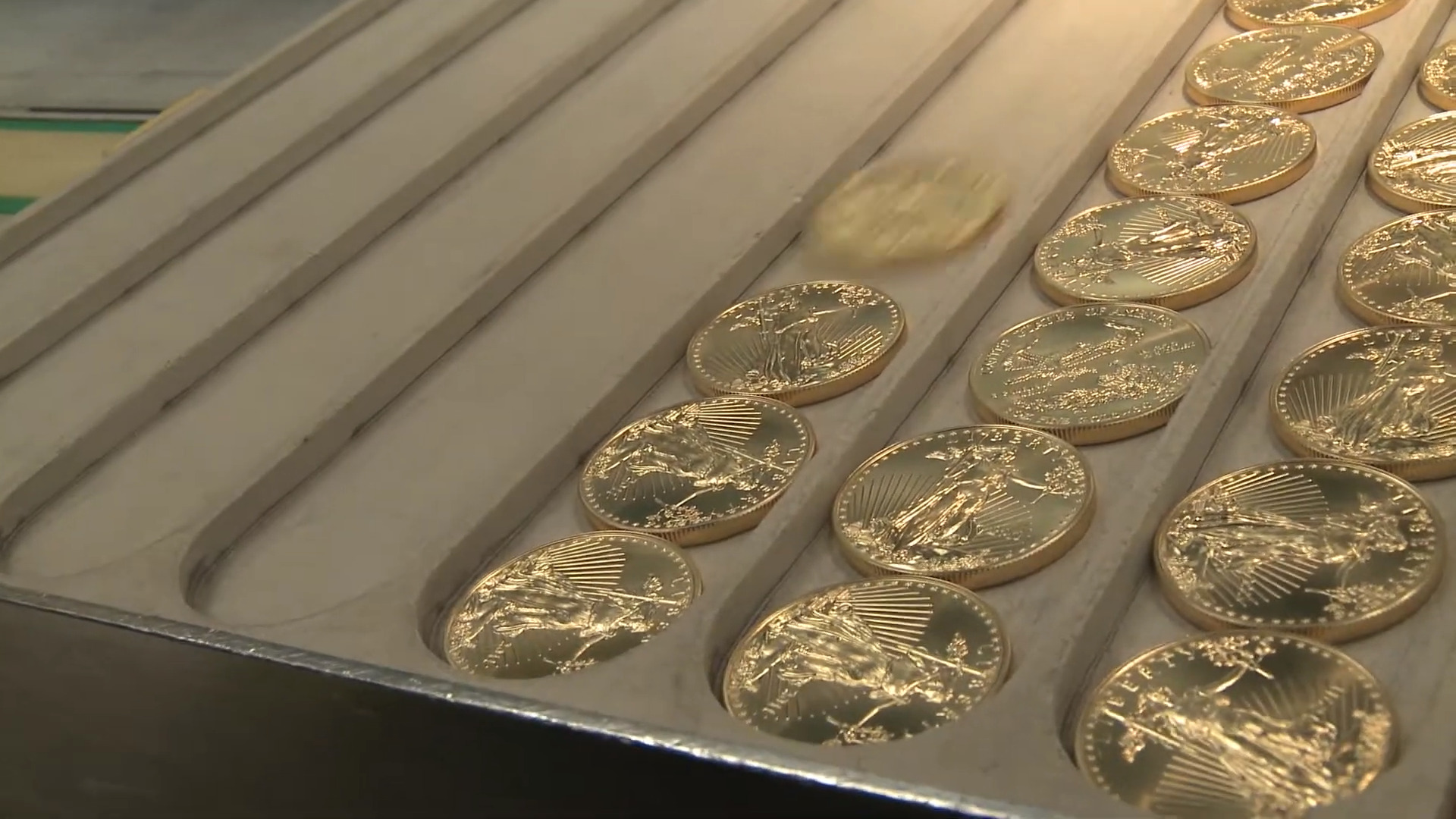
World Gold Council data for Q1 2026 show this shift clearly. Chinese bar and coin demand reached a record quarter. Indian bar and coin investment also surged. Global gold ETF holdings rose by 62 tonnes in the quarter. The important point is not that every quarter will look like that. It is that gold is increasingly being read as a financial and reserve asset, not only as a consumer good.
When the Language of Stocks Becomes Too Expensive
Gold is not a stock substitute. Stocks are claims on productive assets. Good businesses can compound. Gold cannot.
Still, there are periods when gold becomes useful because the equity market is buying the future at a very high price.
The early-1970s Nifty Fifty are the classic warning. Many of those companies were genuinely excellent. The mistake was not believing in quality. The mistake was paying any price for quality.
Today's AI and mega-cap technology stocks face a similar question. AI may be real. Data-center spending is real. Semiconductor demand is real. Productivity gains may be real. But the truth of a technology and the attractiveness of a stock at any price are not the same thing.

Low rates make distant cash flows easier to value generously. Higher rates and persistent inflation do the opposite. They pull the future back toward the present. That is painful for long-duration growth stocks.
Gold has no future cash flow to discount. That is usually a weakness. In a valuation compression, it can be a useful difference. Gold is not the opposite of innovation. It is the opposite of excessive certainty.
Buying Gold Can Mean Very Different Things
"Gold exposure" is too broad a phrase. Physical gold, gold ETFs, futures, miners, and royalty or streaming companies carry different risks.
Physical gold is the most direct form. It sits outside the financial system, but it brings storage, insurance, spreads, authenticity, and tax issues.
Gold ETFs are convenient. They give price exposure through a brokerage account, but they remain financial products. Fees, tracking error, tax treatment, liquidity, and fund structure matter.
Gold futures can work for hedging and tactical trading. They also introduce leverage, margin, roll costs, and forced liquidation risk. Once leverage enters, gold is no longer a calm insurance asset. It is a trading instrument.
Gold miners can offer leverage to the gold price. But miners are companies, not gold. Costs, mine grades, labor, energy, permitting, politics, environmental rules, equity issuance, and management decisions all matter.
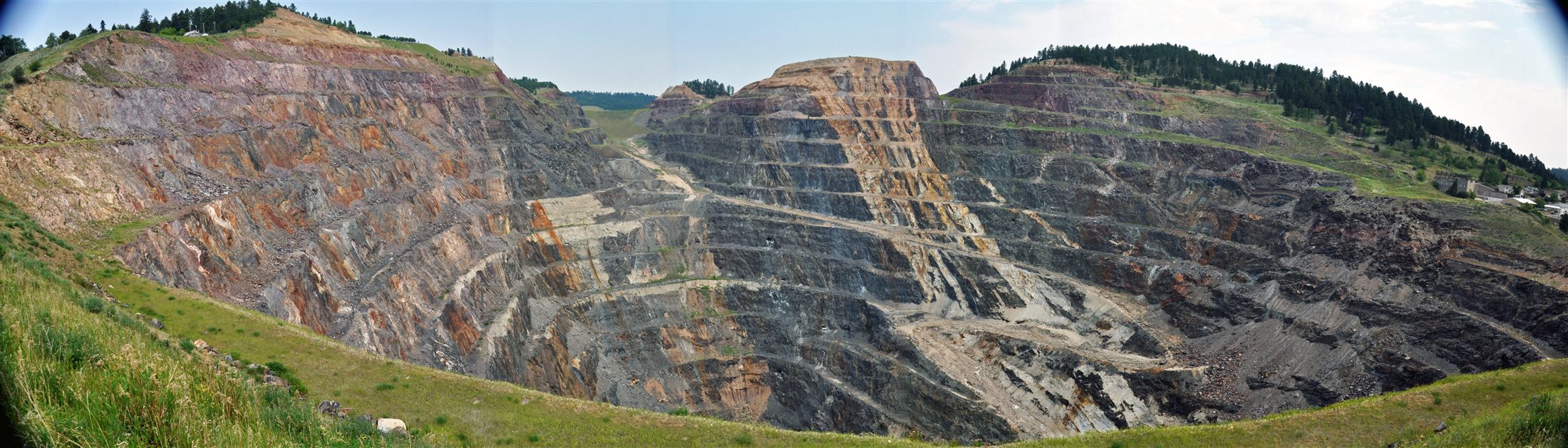
The point is simple: the asset thesis and the product structure must be separated. If the goal is system-outside insurance, physical gold may fit better. If the goal is liquid price exposure, ETFs may be more efficient. If the goal is operating leverage, miners may be attractive, but the investor is buying corporate risk too.
How the Gold Thesis Can Be Wrong
Gold has a stronger macro case than it did in the easy-money years, but that does not make it a guaranteed investment. Price matters. Expectations matter.
The gold case can weaken if central banks defeat inflation and rebuild trust. It can weaken if real yields rise further and stay high. It can weaken if the dollar becomes the preferred safe haven again, if geopolitical risk fades, if central-bank buying slows, if ETF flows reverse, or if high prices bring more recycling supply into the market.
Gold miners have another layer of risk. Even when gold rises, a miner can disappoint because of cost inflation, operational problems, political disputes, environmental liabilities, or bad acquisitions.
Gold is therefore not an all-in asset. It is a balancing asset. Its job is to keep a portfolio from depending entirely on one comfortable worldview.
Conclusion: Gold Holds Distrust More Than It Buys Upside
Gold is old. It does not innovate. It does not make AI models, generate electricity, or grow earnings. It does very little.
In some periods, that is precisely why it matters.
Gold does not require full faith in central banks, corporate earnings, government debt paths, or the purchasing power of one currency. When trust is abundant, gold looks less useful. When trust becomes scarce, it returns to the conversation.
The question is not whether the 1970s will repeat exactly. It will not. The question is whether the conditions that make gold useful are accumulating again: persistent inflation, high real rates, fiscal pressure, more politicized central banking, dollar doubt, and equity-market concentration.
If growth stays strong, inflation cools, real yields remain attractive, the dollar stabilizes, and equity valuations are justified by earnings, gold's role may stay limited. But investors should not prepare for only one future.
Gold is not a prophecy. It is a way of admitting that the future is not fully knowable. It is not just a bet on a higher price. It is a way to hold a modest amount of distrust toward credit money and financial-system promises.