What Busy Readers Need To Know
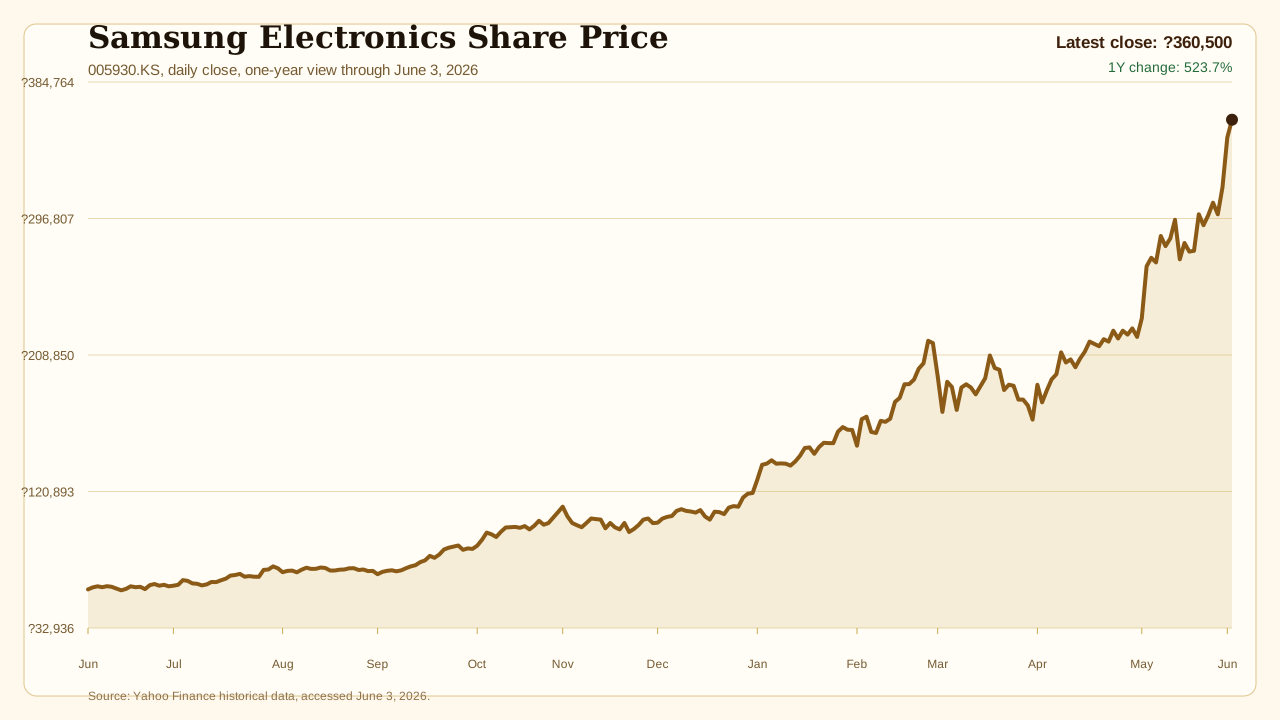
Samsung Electronics (005930) is back in the middle of the memory cycle. In the first quarter of 2026, the company reported KRW 133.9 trillion in revenue and KRW 57.2 trillion in operating profit. That is not just a decent quarter. It shows how sharply Samsung's earnings can change when AI memory demand, pricing, and product mix all move in the right direction. By early June 2026, the stock rally had also pushed Samsung into the global top 10 by market capitalization, turning the memory recovery into a broader market-cap rerating story.
The main story is not Galaxy. It is AI memory. The key questions are simple. Can Samsung recover real momentum in HBM? Can its foundry business win back enough customer trust to challenge the TSMC habit? And can the company keep its broad empire working together when the chip division is earning almost all the profit?
The company is strong. It has cash, scale, engineering depth, and one of the broadest portfolios in global technology. But a great company and an easy stock at any price are not the same thing. The market already expects a lot from AI memory, HBM recovery, and foundry improvement. Samsung now has to keep proving that the story is more than a very good quarter.
What Samsung Actually Is
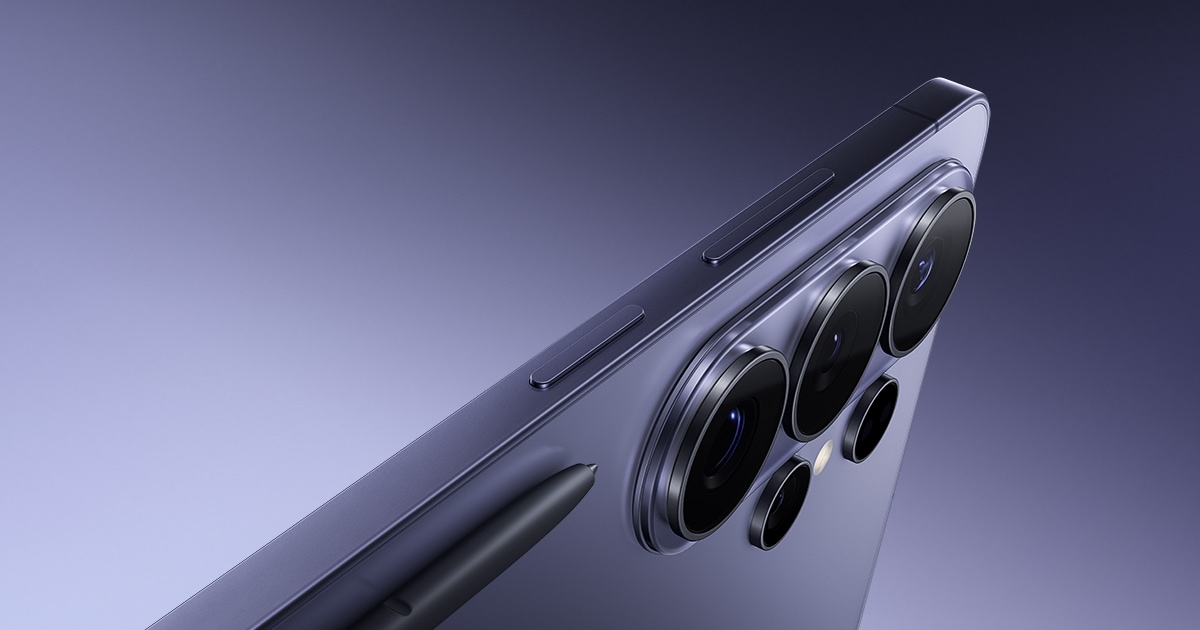
Samsung is often seen as a consumer electronics company because people know Galaxy phones, TVs, and appliances. That view is not wrong. It is just incomplete. Samsung today is better understood as four large businesses sharing one roof: DX for smartphones, TVs, appliances, and networks; DS for memory, system semiconductors, and foundry; SDC for OLED displays; and Harman for automotive electronics and audio.
That mix is powerful. It means Samsung can touch the consumer device, the screen, the memory chip, the storage chip, and parts of the car cockpit. Few companies can do that. Still, in Q1 2026, the profit engine was clearly DS. Samsung's earnings presentation showed KRW 53.7 trillion in DS operating profit, representing the overwhelming majority of total operating profit.

That matters for investors. If you analyze Samsung only by asking whether Galaxy is selling well, you are reading the dessert menu while the main course is being served somewhere else. The current investment case is much closer to AI server memory, HBM, server DRAM, enterprise SSDs, and foundry execution.
HBM: Recovery Has Started, Leadership Still Has To Be Proven
Samsung's classic moat is memory manufacturing. DRAM gives computers and servers fast working memory. NAND stores data in phones and SSDs. In old-school memory cycles, scale, cost, process migration, and supply discipline mattered most. Samsung has spent decades building that advantage.
AI changed the texture of the game. HBM, or high-bandwidth memory, stacks memory chips vertically and places them close to the accelerator. Even a very fast AI chip cannot perform well if it receives data too slowly. HBM widens the data path and reduces the time the GPU spends waiting. For a beginner, the clean version is this: HBM is high-speed memory that helps remove bottlenecks inside AI servers.
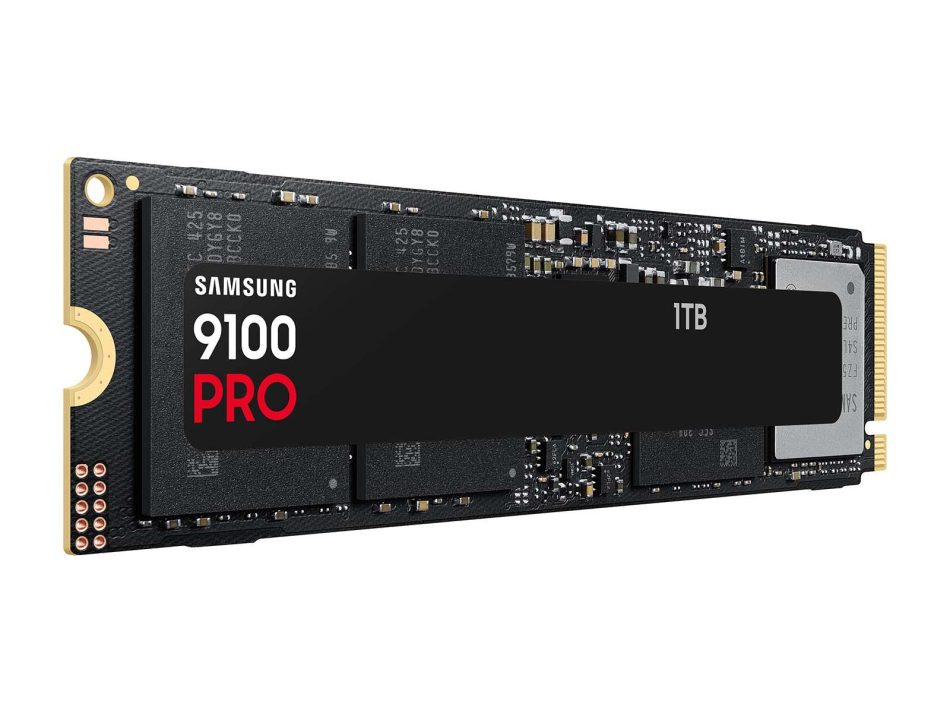
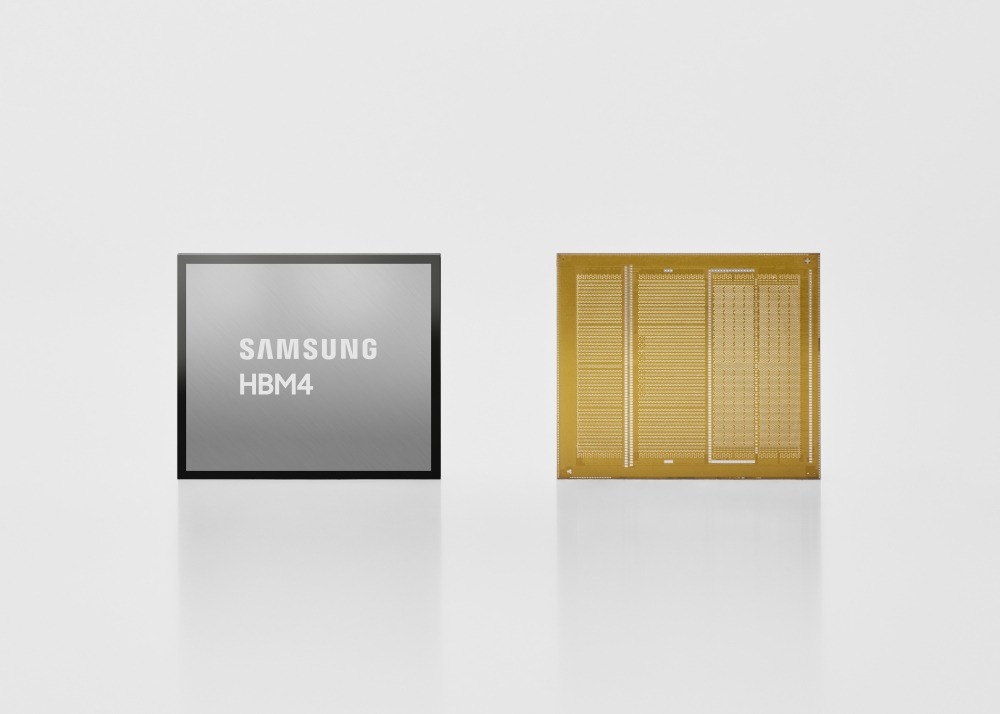
Here Samsung's position is strong, but not flawless. The company remains a giant in broad memory. Yet HBM has been led by SK hynix in recent cycles, and market estimates cited in industry reporting still place Samsung behind SK hynix in HBM share. Samsung's HBM4 shipment announcements, HBM4E sampling, and AI infrastructure roadmap are encouraging, but the proof is not the press release. The proof is customer qualification, volume supply, yield, thermal performance, and repeat orders.
That is the nuance. Samsung is not weak. It is simply trying to turn a broad memory moat into a stronger HBM moat. Those are related advantages, but they are not identical.
Foundry: Big Opportunity, Hard Proof
The foundry business manufactures chips designed by customers. A customer brings the chip design, and Samsung or TSMC turns that design into physical silicon. At advanced nodes, the manufacturing steps are extremely complex. A yield issue or schedule delay can affect an entire product launch.
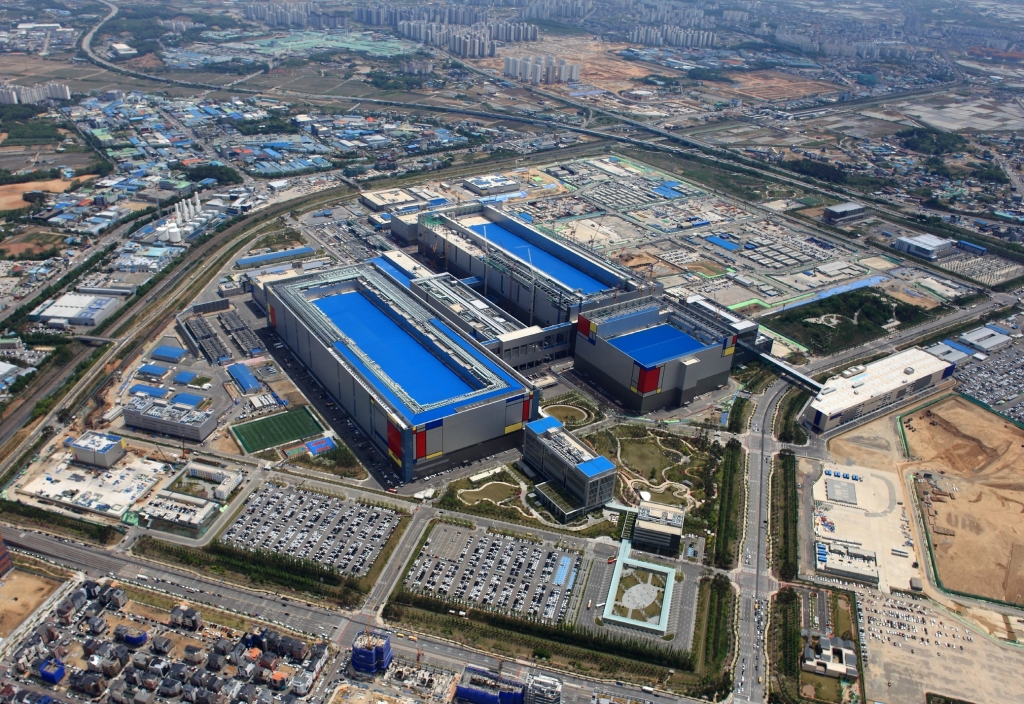
Samsung has a strategic reason to care. In AI semiconductors, memory, logic, and packaging are moving closer together. A company that understands HBM base dies, advanced logic, and packaging can offer an attractive integrated story. Samsung has that potential because memory and foundry live under the same corporate roof.
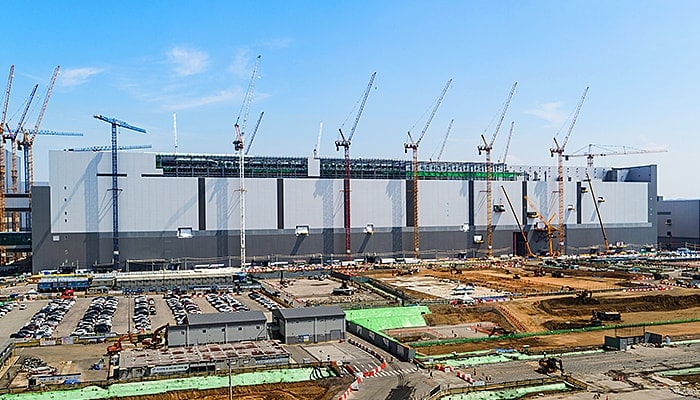
The problem is that TSMC is still the benchmark. In Q1 2026, TSMC reported US$35.9 billion in revenue, 66.2% gross margin, and 58.1% operating margin. Those numbers tell a story of customer trust, pricing power, and advanced-node execution. Samsung can compete, but it must do so with evidence: customer wins, stable yields, and reliable delivery.
So the foundry story is promising, not finished. It is one of Samsung's biggest optionalities. It is also one of its hardest tests.
The Quarter Is Strong, But Profit Is Heavily Concentrated In DS
Samsung's first-quarter numbers were spectacular. Revenue was KRW 133.9 trillion, operating profit was KRW 57.2 trillion, and operating margin reached 42.8%. For most manufacturers, that margin would look fictional. In a memory supercycle, it can happen because fixed costs are high and pricing leverage is enormous.
The risk is concentration. If memory prices keep rising and HBM ramps well, earnings can stay powerful. If pricing cools, customer qualification slips, or inventory builds in the wrong place, the same operating leverage can work backward. That is why cash conversion, receivables, inventory turns, and high-value memory mix matter as much as headline profit.
Samsung's balance sheet is a major advantage. The company has the financial muscle to fund heavy capex, survive downcycles, and return capital. But a large wallet does not automatically solve execution risk. It simply gives management more room to make the right bets.
Less Flashy, Still Steady Cash Cows
DX is still Samsung's public face. Galaxy phones, TVs, and appliances are familiar to consumers around the world, and the division's strengths are brand, distribution, and product breadth. Still, DX is not built like Apple's closed ecosystem, where software, services, and device lock-in can support high margins for a long time. Samsung's consumer hardware business remains exposed to Android competition, Chinese pricing pressure, and component-cost swings.
That does not make DX unimportant. It makes DX a stabilizer rather than the main market narrative. In 2026, the reason investors are leaning forward is not a prettier phone color. It is AI infrastructure consuming memory at industrial scale.
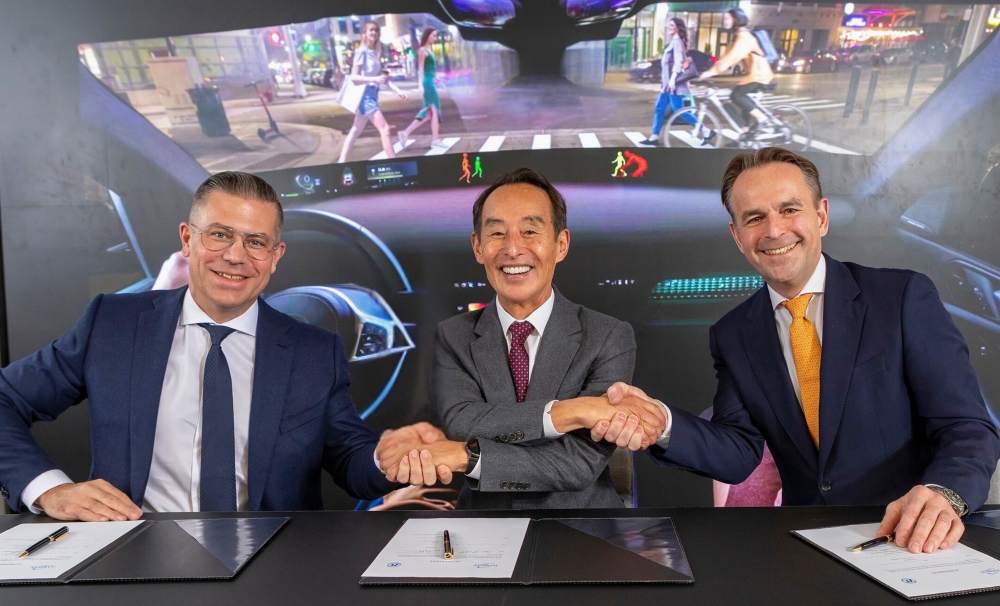
Harman is smaller, but the direction is sensible. As cars become more software-defined and electronics-heavy, demand for automotive audio, infotainment, ADAS, and connected-car systems should keep rising. Harman is not yet a standout earnings engine for Samsung, but it gives the company a bridge between consumer electronics and automotive electronics.
The Strike Risk Has Eased, But Internal Tension Has Not Disappeared
Management now has two jobs. First, harvest the AI memory cycle while demand is strong. Second, use that cash to strengthen HBM, advanced DRAM, NAND SSDs, foundry, and packaging for the next cycle. A good memory cycle is not only a reward. It is also a budget for the next fight.
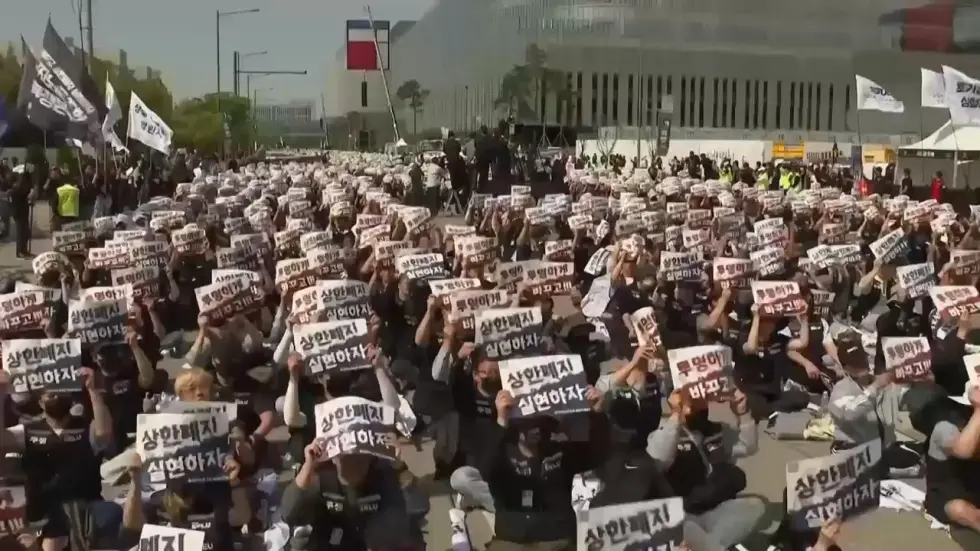
Labor compensation is a real governance and execution issue. Reuters-syndicated reports said Samsung unionized workers approved a pay agreement with about 74% support, reducing the risk of a large strike. That is good for near-term stability. Still, the deeper question is whether a large gap between DS and non-DS rewards creates internal resentment.
That resentment has already become visible in the language employees use online. On Blind, the anonymous workplace forum, some posts have circulated a deliberately exaggerated complaint: in memory, "even the person feeding the ducks" can make KRW 500 million, while non-memory researchers and other divisions receive far less variable pay. The exact anecdote is not a verified financial claim. What matters is that this kind of line travels, because it shows how sharply employees may perceive the gap between the division producing the profit and the divisions still needed to make the whole company work.
Samsung's broad portfolio works best when divisions cooperate. Memory, foundry, mobile, display, and automotive electronics need each other more in the AI era, not less. If compensation politics harden internal silos, the company's breadth becomes less valuable.
Valuation: Quality Still Has A Price
Samsung is a high-quality company. That does not remove the valuation question. Markets are already pricing in stronger AI memory, HBM recovery, foundry progress, and shareholder returns. If those things arrive, the valuation can be justified. If one of them slips, investors may discover that "excellent company" is not the same phrase as "easy entry point."
The watchlist is clear: HBM customer qualification, HBM4 and HBM4E yield, server DRAM pricing, foundry customer wins, receivable collection, inventory turns, buyback execution, and whether labor tension stays contained. These are the details that decide whether the story lasts.
It Was Not Only The Semiconductor Cycle
Samsung's share-price surge should not be explained by semiconductors alone. The Korean equity market also benefited from a friendlier policy backdrop: expectations for fiscal expansion under the Lee Jae-myung administration, broad consumer-support payments, high-oil-price relief, a relatively supportive rate environment, and renewed hopes for Korean market value-up reform. For a large national champion such as Samsung, that matters. A semiconductor upcycle is stronger when domestic liquidity, policy expectations, and foreign investor interest are moving in the same direction.


The problem is that policy tailwinds rarely keep blowing at the same speed. Fiscal support can turn into a debate about debt, one-off cash payments fade after they are spent, and fuel relief loses urgency if energy prices stabilize. Moreover, the monetary-policy pillar is already less straightforward. The Bank of Korea held its base rate at 2.50% in May 2026 and signaled caution around inflation, oil prices, and the won. That does not kill the equity story, but it does mean the low-rate narrative cannot be treated as free support forever.
So the second-half Samsung story has two layers. The first is company-specific: HBM progress, DS margins, foundry credibility, and internal execution. The second is macro: policy liquidity, Korea value-up expectations, rates, and the currency. Even if the semiconductor cycle stays healthy, the stock can lose some momentum if the policy support that helped the rerating begins to weaken.
Conclusion: Samsung Is Back. Now It Has To Stay Back.
Samsung Electronics has returned to the center of the memory cycle. The Q1 2026 results showed how dramatically AI infrastructure demand can reshape the income statement. The company has cash, scale, manufacturing experience, and a wide technology portfolio.
The harder question is not whether Samsung is a good company. It is whether Samsung can regain deeper HBM trust, close enough of the foundry credibility gap with TSMC, and keep its own organization aligned. That is where the next chapter will be written.
Samsung is moving closer to a stronger position in AI memory. The real test is whether that position can translate into repeatable earnings and customer trust, even if the Korean policy tailwind that helped the stock rerate becomes less generous.
Sources
- Samsung Electronics, Q1 2026 Results
- Samsung Electronics, Q1 2026 Earnings Presentation
- Samsung Galaxy S26 Ultra official product imagery
- KOREA.NET official Flickr, 8th Cabinet meeting of 2026
- Samsung Global Newsroom, HBM4 announcement
- Samsung Semiconductor, HBM4E samples
- TSMC, Q1 2026 Quarterly Results
- CompaniesMarketCap, Samsung market capitalization
- Reuters-syndicated reports on Samsung labor agreement, including coverage carried by CNA and The Star, accessed June 3, 2026.
- Bank of Korea, Monetary Policy Decision, May 28, 2026
- Korean government and market-policy reporting on fiscal support, fuel relief, and value-up expectations, accessed June 3, 2026.