For Busy Reader
Hyundai Motor is still, first of all, a car company that funds its future by selling cars. It sells Hyundai and Genesis vehicles, uses finance arms to support purchases and leases, and sits inside a broader group that includes parts, rail, defense, software, and robotics. Atlas and software-defined vehicles are important, but they do not replace the basic question: can Hyundai keep turning vehicles into profit and cash?
The first quarter of 2026 showed that tension clearly. Hyundai reported record first-quarter revenue of ₩45.94 trillion, helped by hybrid momentum and richer vehicle mix. Operating profit, however, fell to ₩2.51 trillion. Sales moved forward; margin moved backward. Tariffs, costs, and execution pressure mattered more than the headline revenue number.
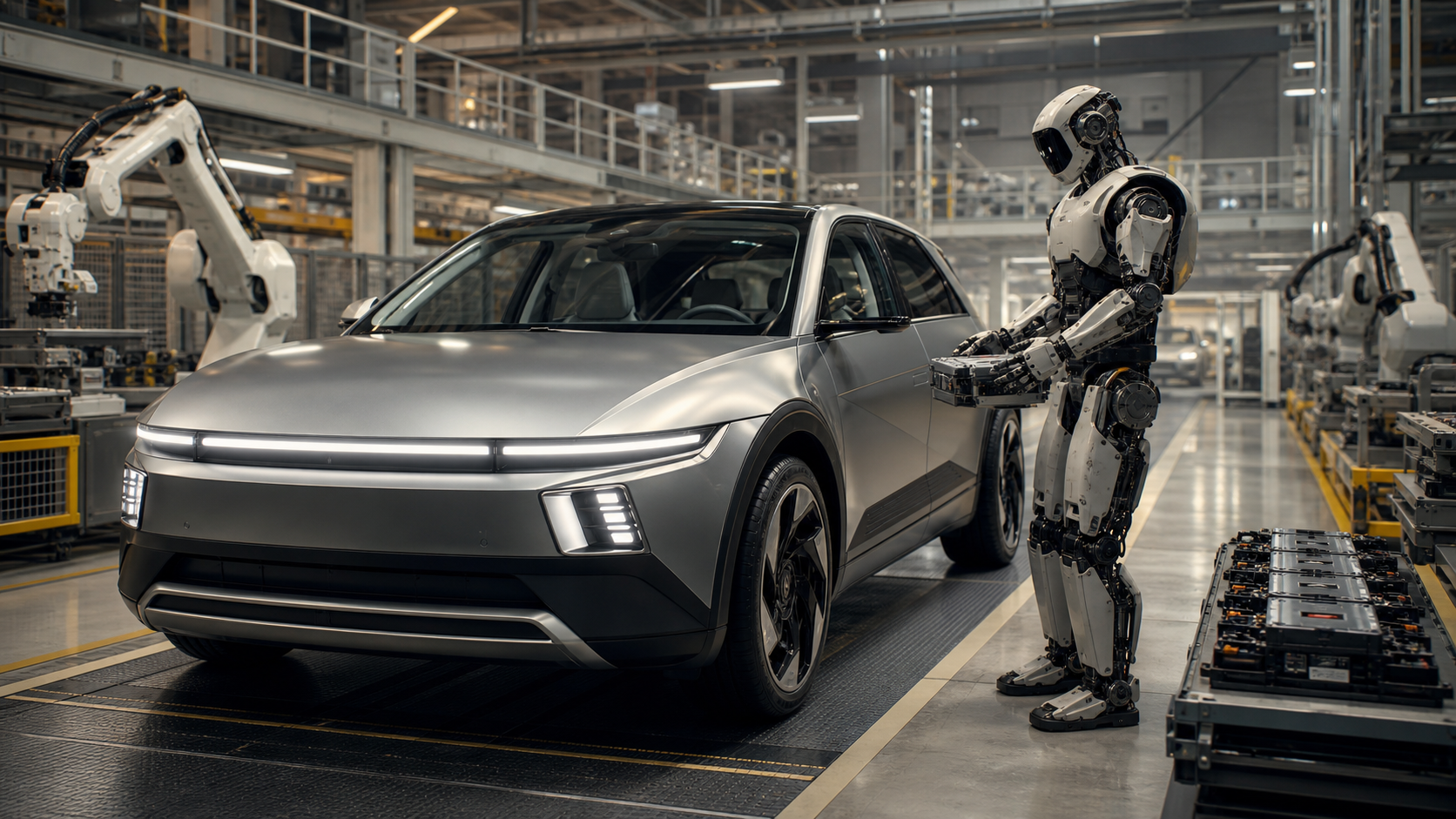
Boston Dynamics and Atlas should not be dismissed as a gimmick. The right question is not whether the robot looks impressive. It is what Atlas can change inside Hyundai's factories. If it reduces line stoppages, improves parts sequencing, lowers repetitive-work errors, or makes dangerous tasks safer, it can become a real manufacturing advantage. If deployment is slow and payback remains vague, it stays an expensive option.
That gives investors a clean order of analysis. First watch vehicle operating margin, mix, inventory, HMGMA ramp-up, and finance quality. Then watch robotics, SDV, and AI manufacturing. Looking only at robots misses today's earnings; looking only at cars misses the option value.

Start With The Automaker, Not The Robot
Hyundai carries many future-facing labels: SDV, AI manufacturing, robotics, autonomous driving, hydrogen, electrification. Yet the income statement still turns on the vehicle business. Cars must sell, average prices must hold, incentives must stay controlled, and factories must run smoothly before future investment becomes a choice rather than a burden.
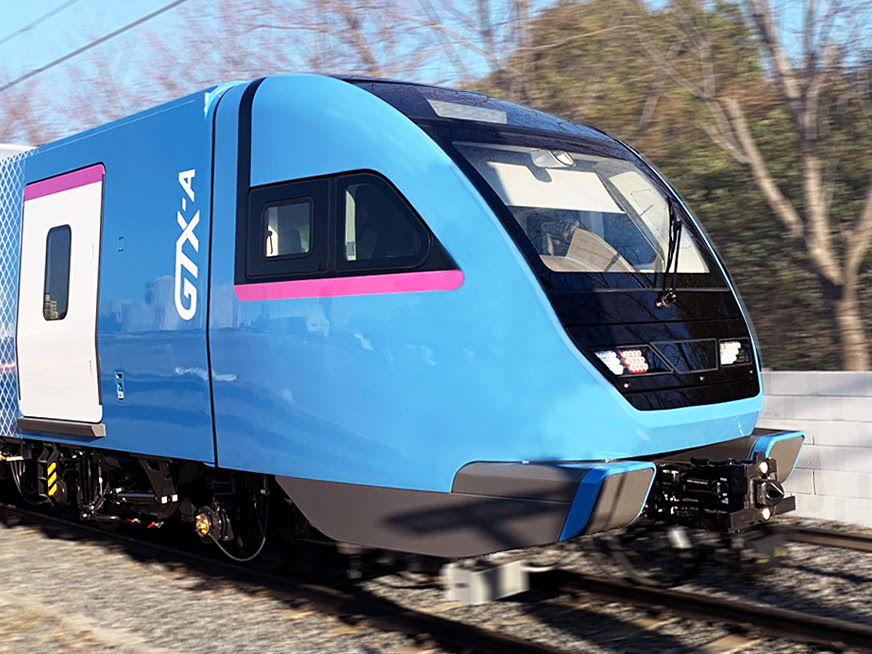
The business can be read in three layers. The first is vehicles: Hyundai, Genesis, SUVs, hybrids, EVs, commercial vehicles. The second is finance: leasing, installment credit, dealer support, and residual-value exposure. The third is the broader industrial layer, including assets such as Hyundai Rotem. Robotics and SDV sit on top of that base; they are not yet the base itself.
That order matters. Atlas does not turn Hyundai into a robotics company overnight. But calling Hyundai only a legacy automaker also misses the point. The better description is this: Hyundai is an automaker using robotics and software to test whether its manufacturing system can become more valuable over time.
Mix And Production Are The First Moat
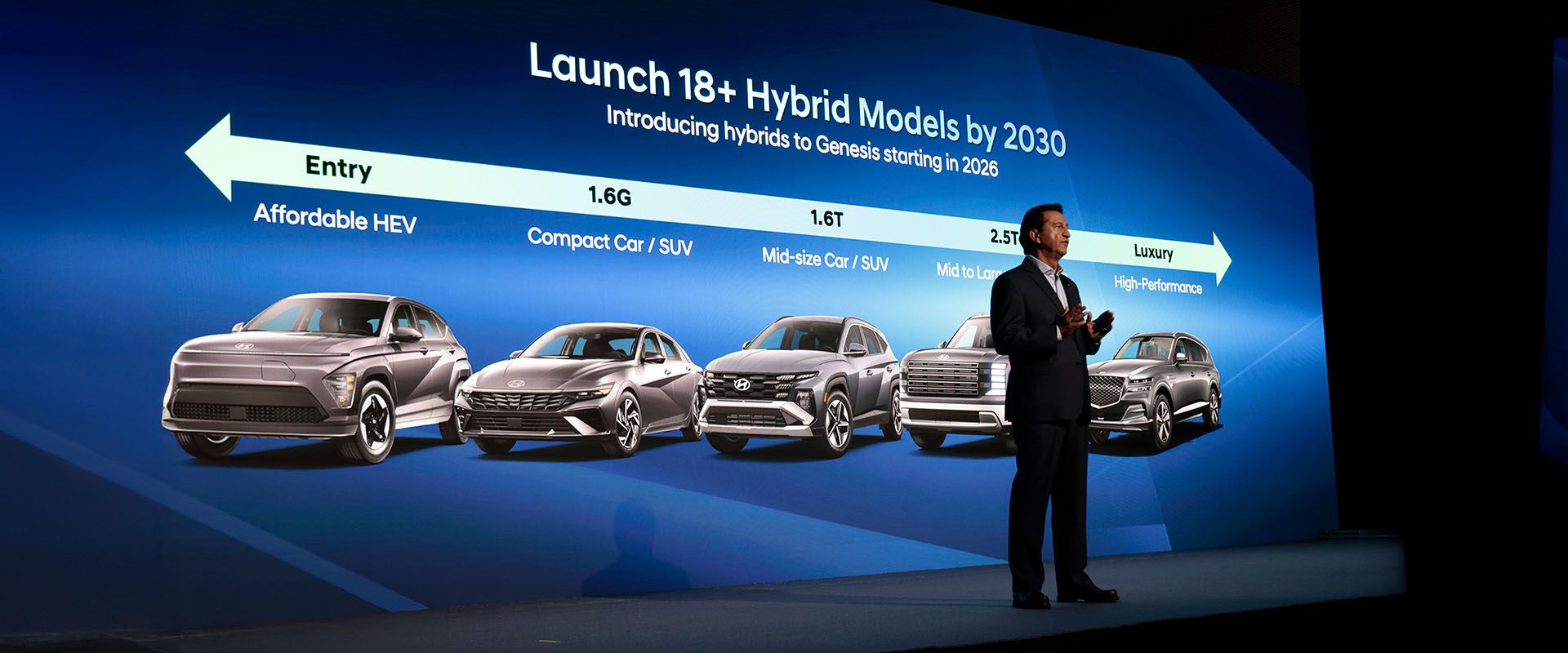
Hyundai's most practical strength is not one overwhelming technology. It is flexibility in product mix. When EV demand runs hot, Hyundai can push IONIQ and dedicated electric platforms. When EV adoption slows, hybrids can absorb demand. SUVs and Genesis help average selling prices and margin resilience.
The 2026 first quarter showed why this matters. Hybrid sales were strong, and that helped revenue. A pure EV strategy would have been more exposed to a slower adoption curve. Hyundai instead can adjust across hybrids, EVs, combustion vehicles, Genesis, and regional preferences. In autos, complexity can be a form of defense if management can execute it well.
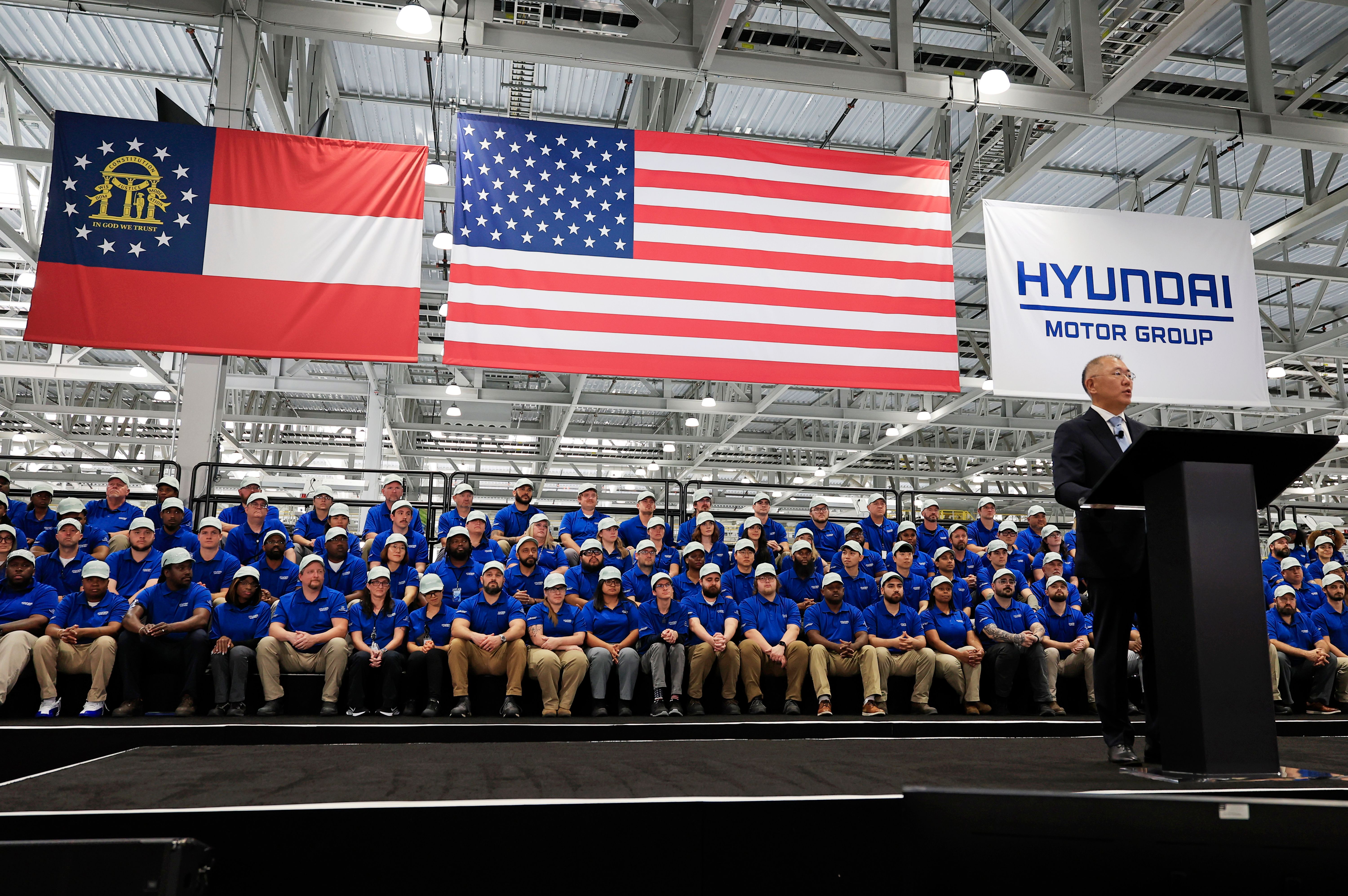
The production footprint serves the same purpose. Plants across Korea, the United States, India, Europe, Brazil, Indonesia, and other regions create room to respond to tariffs, subsidies, currency moves, logistics cost, and local regulation. HMGMA is central to North American electrification. But a new plant also carries early fixed-cost pressure. HMGMA is therefore both a long-term asset and a near-term margin test.
Finance Helps Sell Cars, But It Also Carries Risk
Vehicles are not sold by sticker price alone. For many buyers, the number that matters most is the monthly payment. Interest rates, lease terms, residual values, warranties, and service networks all shape demand. Hyundai's finance ecosystem is therefore part of the sales engine, not an accessory.
That support can smooth demand. Fleet customers, rental operators, lease customers, and households all respond to financing terms. But the same tool can become a risk when rates stay high or used-car prices weaken. Funding cost, credit quality, and lease residual values can all move against the manufacturer. Finance makes sales easier, but it also pulls Hyundai into the credit cycle.
That is why unit sales are not enough. Investors should follow receivable quality, funding cost, residual values, and delinquency trends. In an expensive-car world, the buyer's financing condition can deteriorate before the product itself loses appeal.
Atlas Has To Prove Itself On The Factory Floor
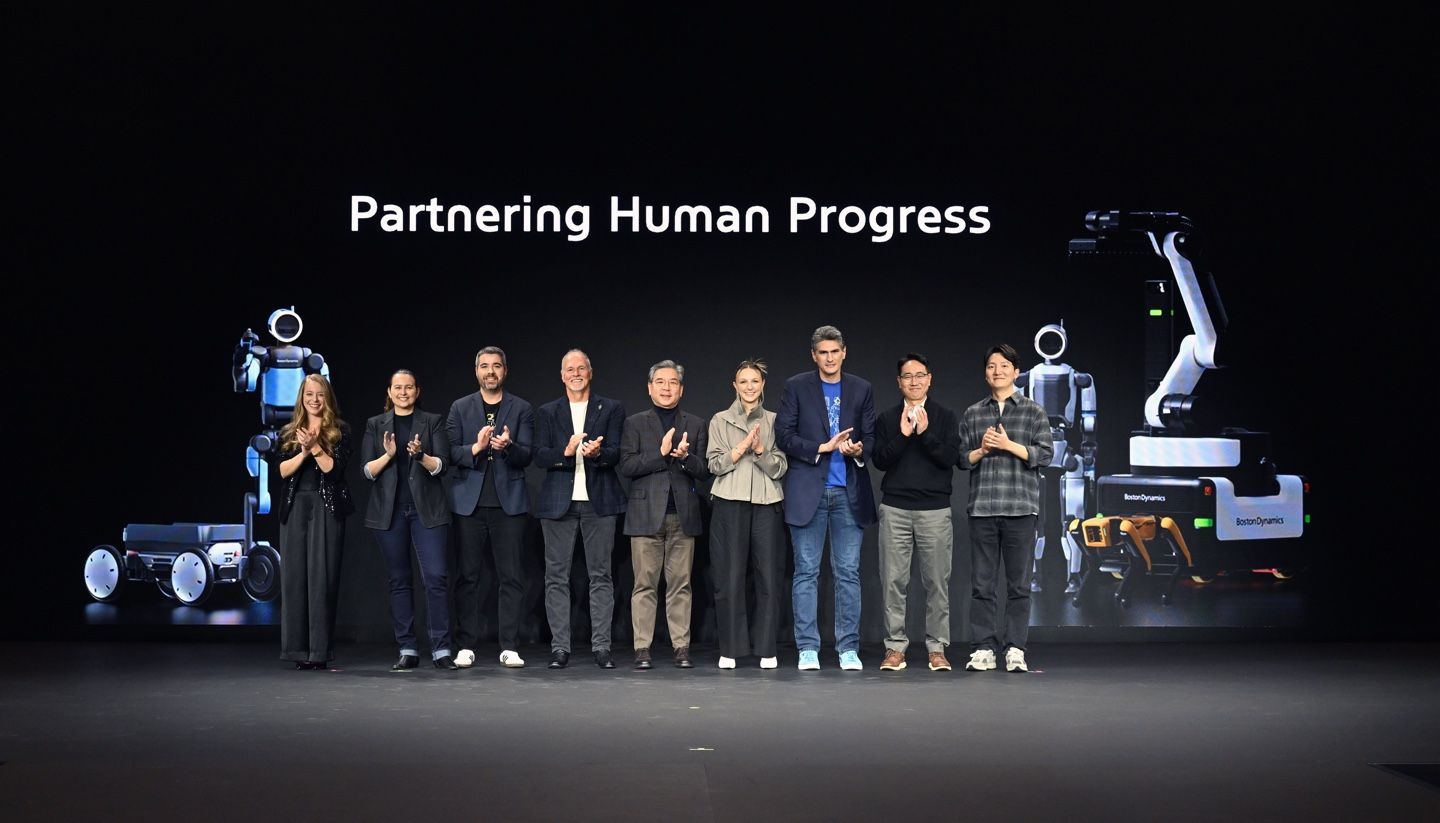
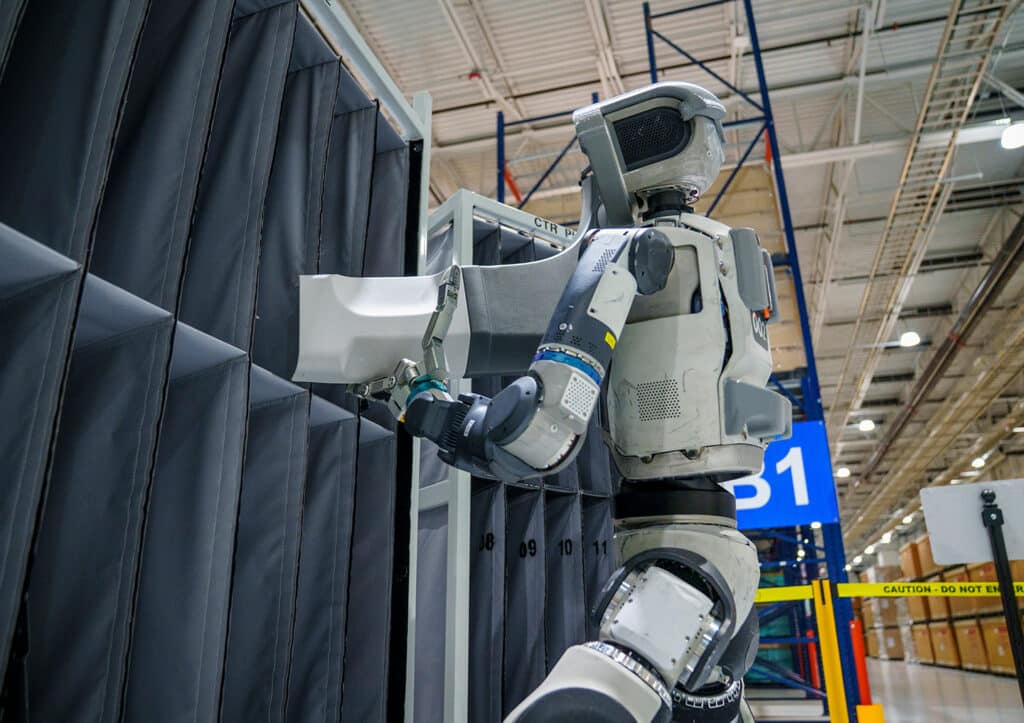
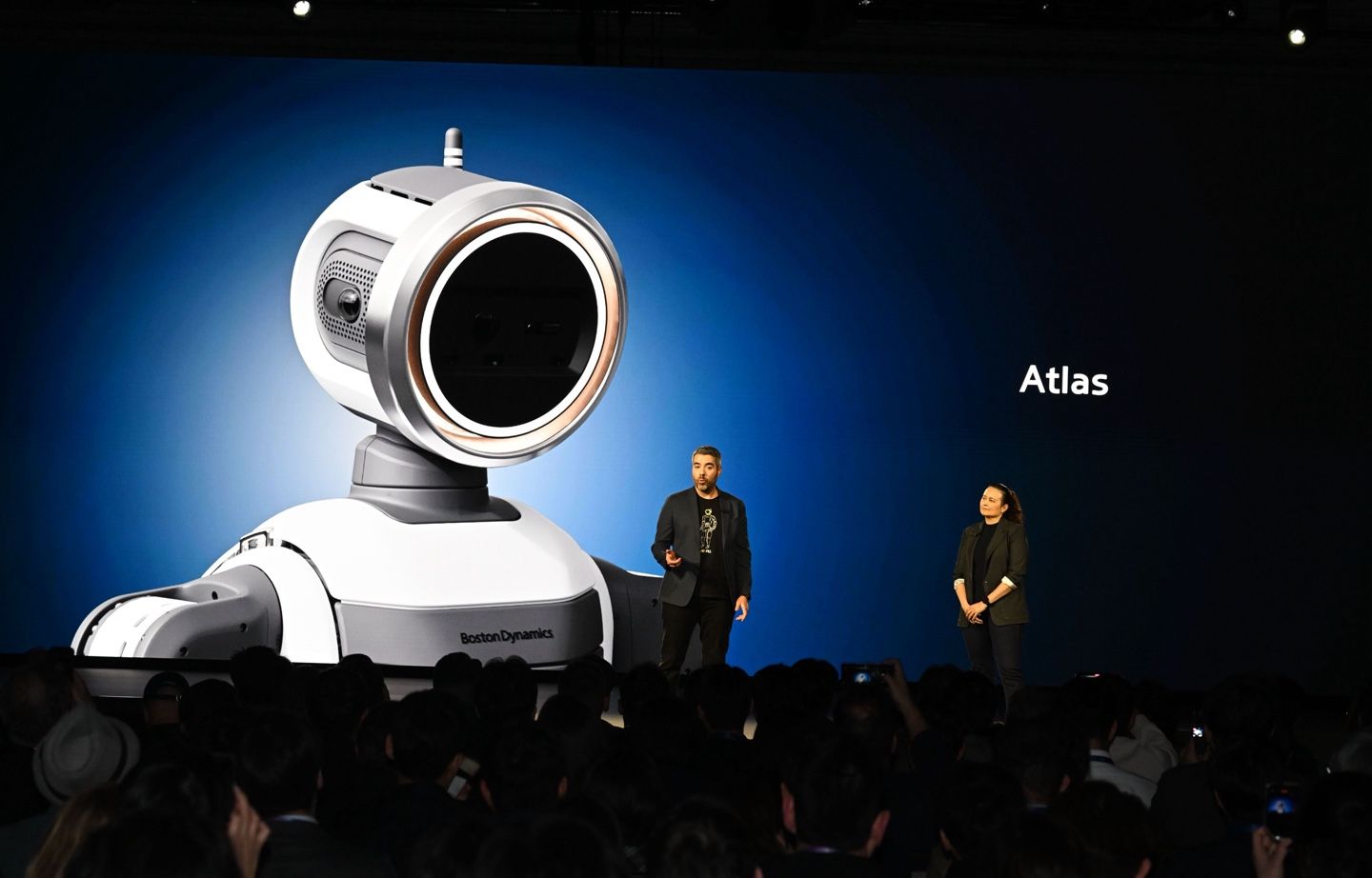
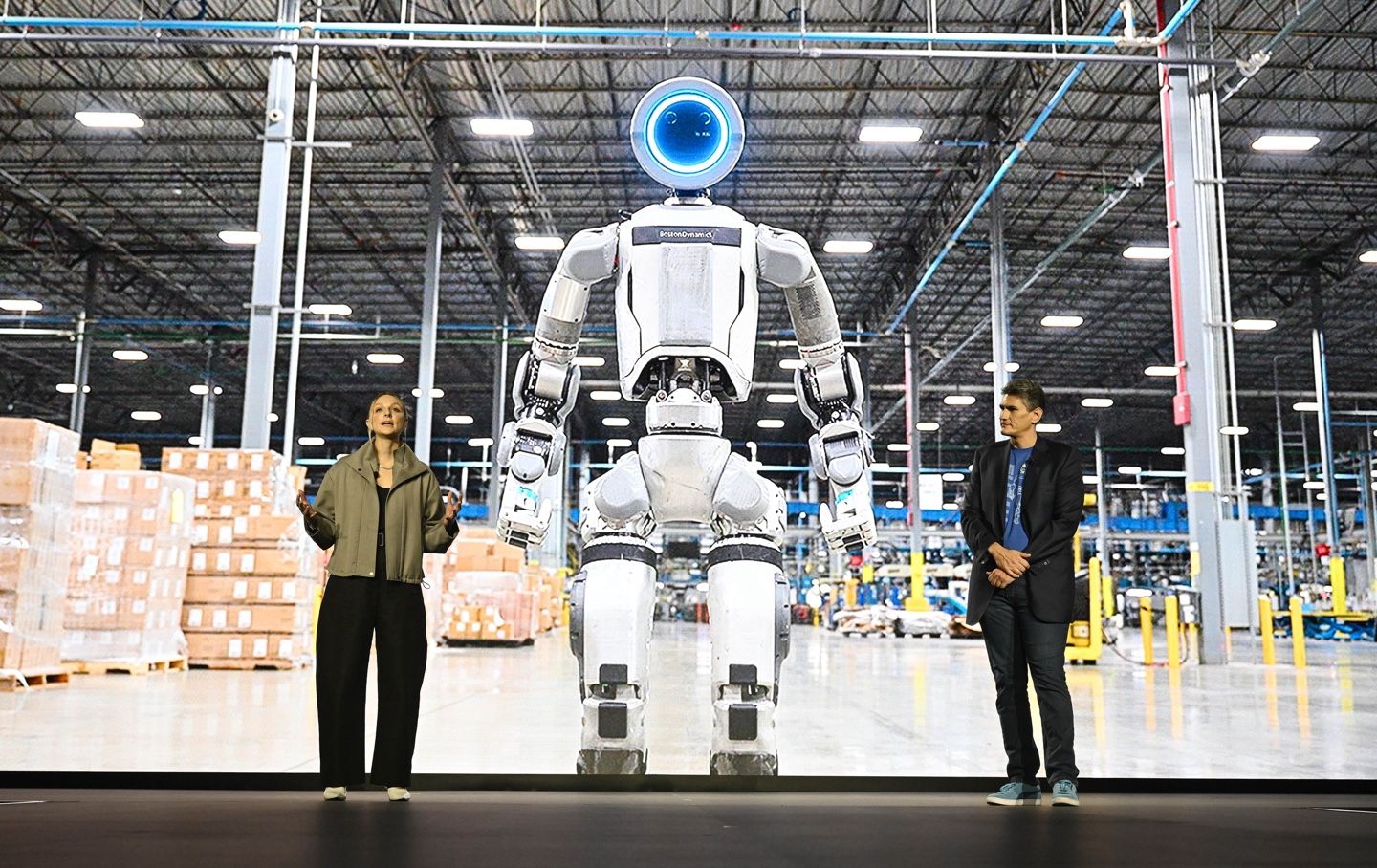
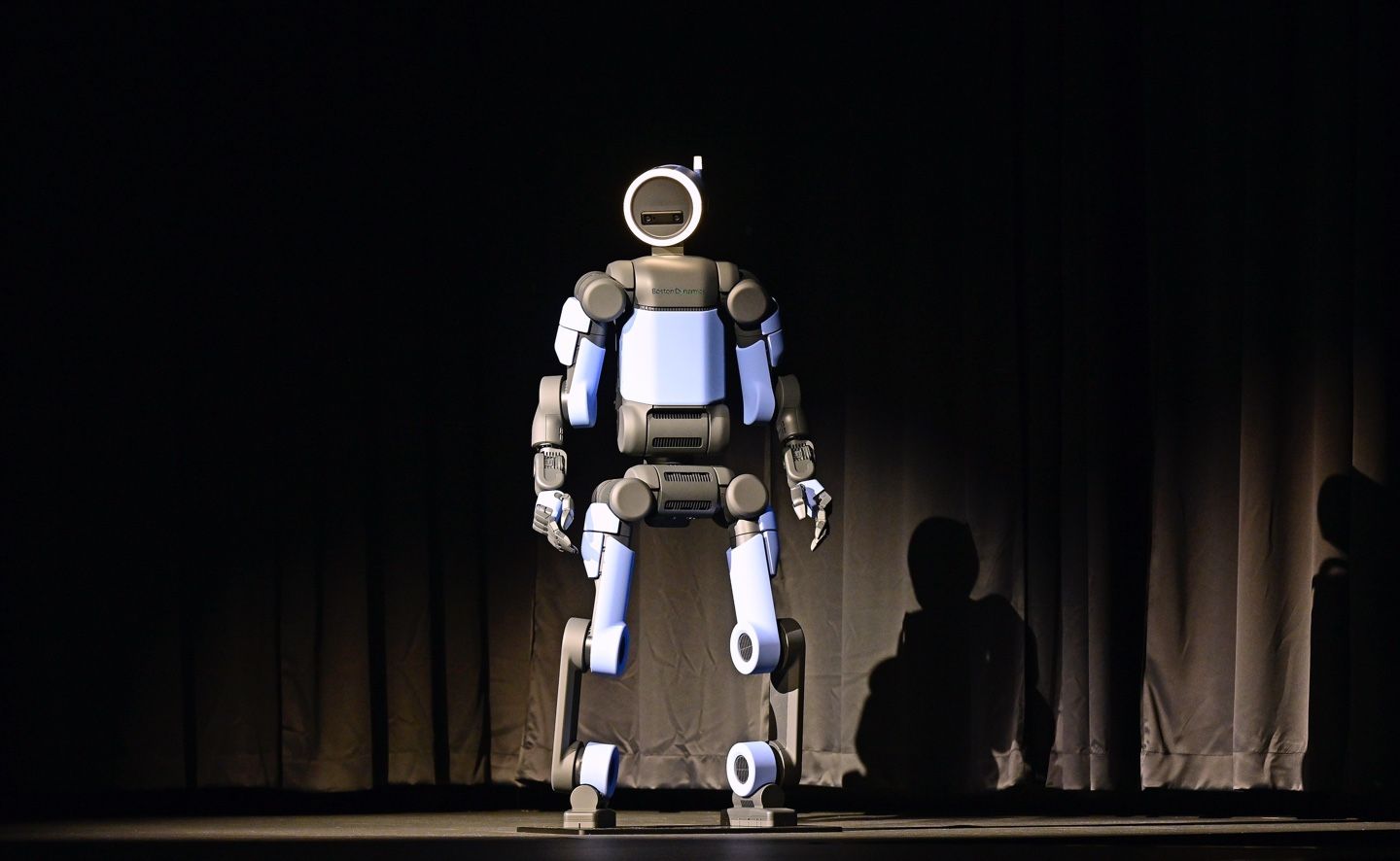
Hyundai's ownership of Boston Dynamics is well known. The more important shift is that Atlas is being framed not as a stage robot, but as a tool for automotive production. At CES 2026, Hyundai Motor Group announced an AI robotics strategy and set a target of annual robot production capacity of 30,000 units by 2028.
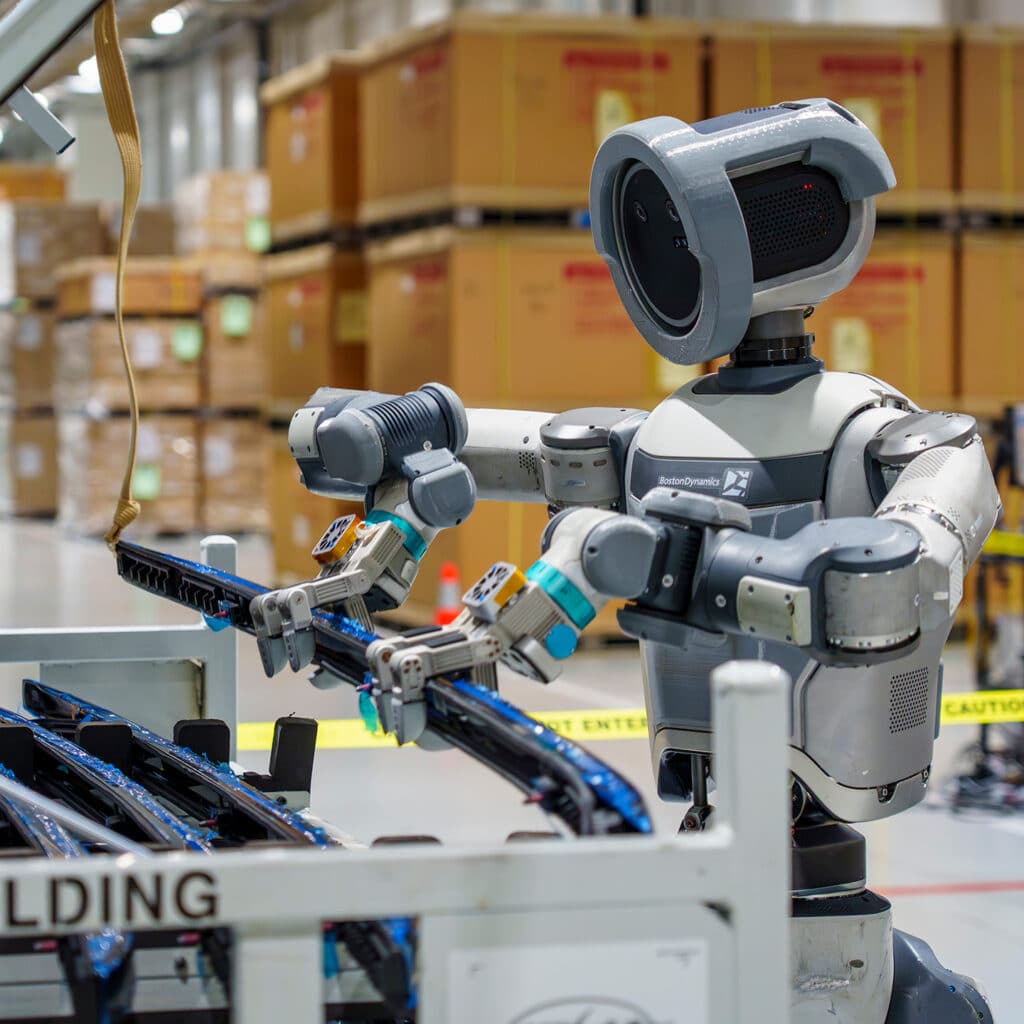
The sequence is specific enough to take seriously. Atlas is planned for parts sequencing in 2028 and more complex component assembly by 2030. Parts sequencing means preparing the right parts in the right order at the right time for the assembly line. It sounds ordinary, but mistakes can stop the line or create quality problems. Success there would let Hyundai describe robotics in the language of productivity, not spectacle.
This is different from the largest humanoid narratives in the market. Hyundai is not saying Atlas will immediately do every job. It is starting with work where ROI can be measured: repetitive tasks, fatigue-heavy tasks, risky tasks, and steps where errors are costly. That is less glamorous than a universal robot story, but it may be more credible for industrial adoption.
The roadmap is better read as a sequence, not as a trophy number. Hyundai Motor Group is targeting annual robot production capacity of 30,000 units by 2028, with Atlas first planned for parts sequencing that year. The more demanding move would come later, with component assembly targeted for 2030. The Google DeepMind partnership is meant to add stronger learning and decision-making to that industrial path. The important question is not whether the numbers sound ambitious. It is whether they become repeatable productivity inside real factories.
Hyundai Between Tesla And Unitree
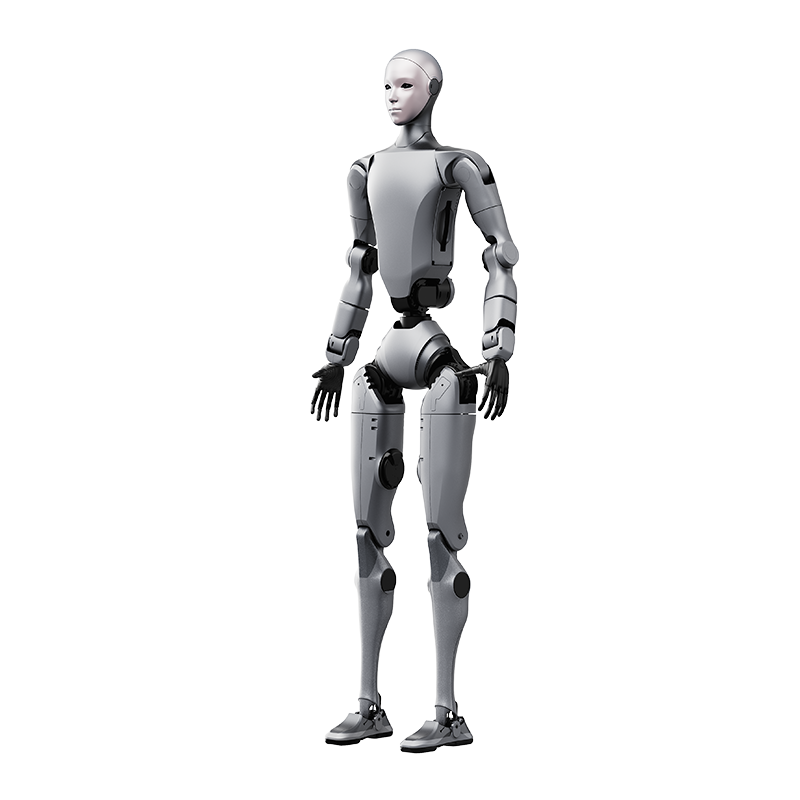
Humanoid robotics already has two powerful reference points. Tesla brings an AI-and-scale narrative through Optimus. Unitree shows how quickly lower-cost hardware can pressure expectations. Hyundai has to avoid fighting the wrong fight. Its advantage is not simply a bigger story than Tesla or a cheaper robot than Unitree. It is factory integration.
Tesla is much stronger at turning robotics into a grand platform narrative. Unitree is much stronger as a low-cost and fast-moving product reference. Hyundai's better path is different. In an automotive plant, a robot is valuable when it is reliable, safe, maintainable, and easy to attach to the existing production process. Price matters, but a line stoppage costs more than a cheaper unit saves.
That is why Hyundai's first customer should be itself. The company has real factories, supplier flows, quality systems, safety procedures, and maintenance needs. If Atlas can work there, Hyundai gets a proof point that is more valuable than a showroom claim. The robot should reduce total factory cost, not merely win a price comparison.
SDV And AI Manufacturing Point To The Same System
SDV means software-defined vehicle. The idea is that a car becomes more like an updateable computing platform, with functions improved through software and data after the initial sale. Hyundai and Kia's expanded work with NVIDIA fits that direction. As vehicles become more software-driven, manufacturing and software become harder to separate.
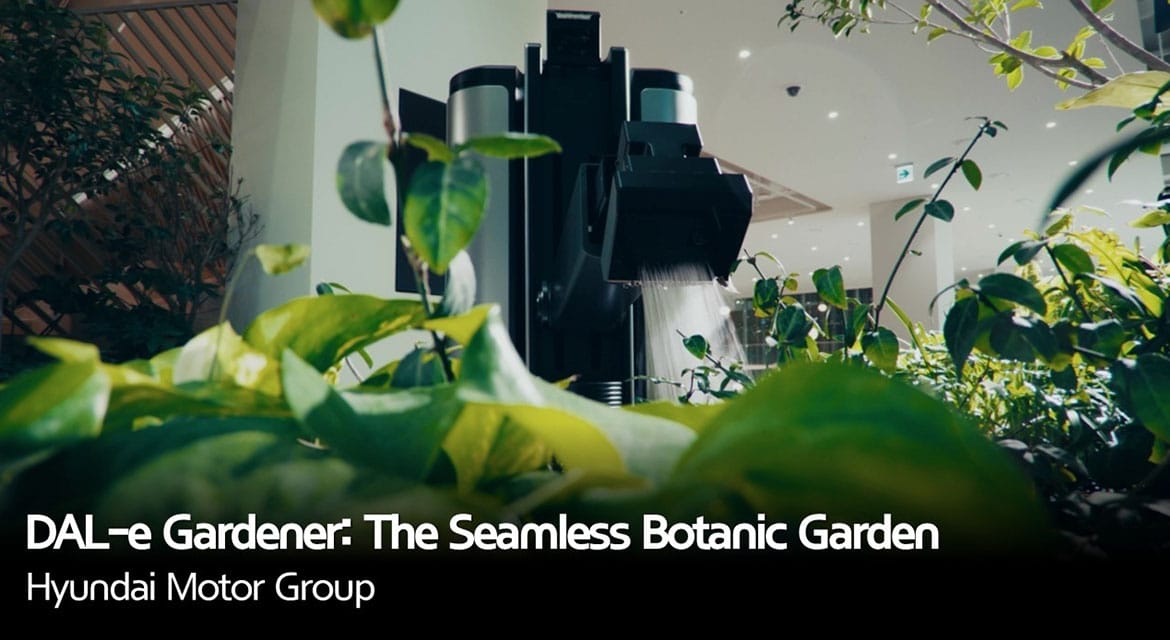
Robotics addresses the same operating problem. A useful robot does not move through hardware alone. It must read factory data, work near people, handle exceptions, and improve from task feedback. SDV, AI manufacturing, and robotics are therefore not three disconnected buzzwords. They can become one operating system for vehicles and factories.
Hyundai should still be judged with discipline. It is not yet obviously ahead of Tesla in software. Autonomy and SDV require data, regulation, validation, and time. The job is not to say more futuristic words. It is to protect vehicle margins while attaching software and robotics to real products and factories.
Governance: A Successful Technology Still Needs A Clear Owner
There is a shareholder question behind the robotics story: if Atlas succeeds, how much of the value accrues to Hyundai Motor shareholders? Better technology and better shareholder economics are related, but not identical.
Hyundai Motor Group is not a simple parent-subsidiary structure. Hyundai Mobis is Hyundai Motor's largest shareholder. Hyundai Motor has a major stake in Kia, and Kia owns a stake in Hyundai Mobis. That structure gives the group stability for long-cycle investments. It also makes value attribution less straightforward.
The cleanest path for Hyundai Motor shareholders is factory productivity inside Hyundai Motor itself. If Atlas improves parts sequencing, material movement, dangerous tasks, or repetitive work, the benefit can show up in lower cost, fewer errors, and better vehicle margins. In that case, robotics does not need to become a large outside sales business to matter.
Outside robot sales are a different question. Hyundai Motor Group controls Boston Dynamics, but the acquisition structure did not make Hyundai Motor the sole owner of all the economics. Hyundai Motor, Hyundai Mobis, Hyundai Glovis, Chairman Euisun Chung, and SoftBank-related ownership have all been part of the ownership picture. So investors should not assume that every dollar of robot revenue automatically becomes Hyundai Motor revenue or profit.
There is also a component and platform layer. Humanoid robots need actuators, sensors, electronics, batteries, control software, maintenance, and service platforms. If more of that value accrues to Hyundai Mobis or another affiliate, the group may still win, but Hyundai Motor shareholders may capture less. Group synergy is not the same as Hyundai Motor shareholder value.
Internal transfer pricing matters as well. If Boston Dynamics supplies robots to Hyundai Motor factories, Hyundai Motor pays for the equipment and service. That is good for Hyundai Motor only if the productivity gain is larger than the cost. The proof is not that a robot was sold. The proof is higher vehicle margins after the robot is deployed.
That is why governance becomes more important as robotics and SDV scale. The best case for Hyundai Motor is not merely a bigger robot sales story. It is Atlas reducing cost and errors inside Hyundai factories, with the result visible in Hyundai Motor's own margins and cash flow. Equity investors still have to ask the narrower question: which company records the profit?
The test can be narrowed to four questions. How much does Atlas lower cost inside Hyundai Motor factories? How much does it reduce downtime and work errors? Which affiliate captures robot sales, components, software, and service economics? And how quickly does Hyundai Motor recover the money it spends on deployment? Until those questions are answered, robot success and Hyundai Motor shareholder value should not be treated as the same thing.
What The First Quarter Really Said
Hyundai's first-quarter revenue was strong. But investors should focus on the quality of earnings. A 5.5% operating margin is the number that needs to recover if Hyundai wants a higher valuation. Richer mix and hybrid demand can support revenue, but tariffs, incentives, new-plant costs, and other execution pressures can still pull margins down.
Inventory also deserves attention. Higher inventory can reflect new model preparation or supply-chain planning. But rising finished-goods inventory can become discount pressure in the next quarter. In autos, inventory is not just a warehouse number. It is an early signal of pricing power.
Cash flow should be read the same way. Hyundai can generate cash, but it also has many places to spend it: electrification, HMGMA, batteries, SDV, robotics, and R&D. The question is not whether Hyundai has money. It is whether the core business can keep funding the future without weakening itself.
Conclusion: Robots Are The Future, Cars Are The Proof
Hyundai is trying to earn the present through cars and widen the future through robotics and SDV. That is a credible direction. The global production network, SUV and Genesis mix, hybrid flexibility, finance ecosystem, and group supply chain are real strengths. If Boston Dynamics and Atlas improve factory productivity, Hyundai's manufacturing edge could become more valuable.
The investment case should not lean too hard in either direction. Robots alone ignore current earnings. Cars alone ignore future optionality. The first numbers to watch are vehicle operating margin, finished-goods inventory, incentives, HMGMA utilization, and finance quality. Then come Atlas uptime, error reduction, line-stop reduction, and payback period.
The best scenario is clear. Hyundai protects cash generation in the car business, stabilizes HMGMA, and proves Atlas inside the factory. In that case, robotics becomes part of the manufacturing moat.
The weaker scenario is just as clear. Margins stay under pressure, inventory rises, finance deteriorates, and robotics remains mostly a presentation story. That is why Hyundai still comes back to one sentence: the robot future needs the car business to keep working.
Sources
- Hyundai Motor, 2026 Q1 business results
- Hyundai Motor, Q1 2026 earnings presentation
- Hyundai Motor 2026 Q1 report via KRX/KIND
- Hyundai Motor Group, Boston Dynamics acquisition completion
- Hyundai Motor Group, CES 2026 AI Robotics Strategy
- Hyundai Motor Group, CES 2026 robotics story
- Boston Dynamics, Atlas
- Unitree, G1
- Hyundai Motor, Kia and NVIDIA partnership