
Quick take
If Honeywell is not familiar, start with where its systems sit. The company sells equipment and software inside aircraft, commercial buildings, refineries, chemical plants, and industrial sites. The important point is that Honeywell is not just selling one piece of hardware and walking away. Once a system is installed, it can keep producing maintenance, upgrades, parts, software, and operating-data revenue for years. So the first question is not simply what Honeywell sells. It is how long Honeywell stays inside the customer's operation.
That is also why the story should not be framed as a grab bag of aerospace plus automation. Honeywell plans to separate Aerospace into a standalone company. After that, the remaining Honeywell will be much closer to an automation company. Aerospace is the clearest high-margin moat, but after the spin it will no longer carry the remaining company's earnings. The real question is whether Building Automation, Process Automation and Technology, and Industrial Automation can deserve a premium without Aerospace doing part of the work.
Start with the Honeywell that remains
The spin naturally pulls attention toward Aerospace. But for shareholders, the more durable question sits on the other side of the transaction: what exactly is left inside Honeywell after Aerospace leaves?
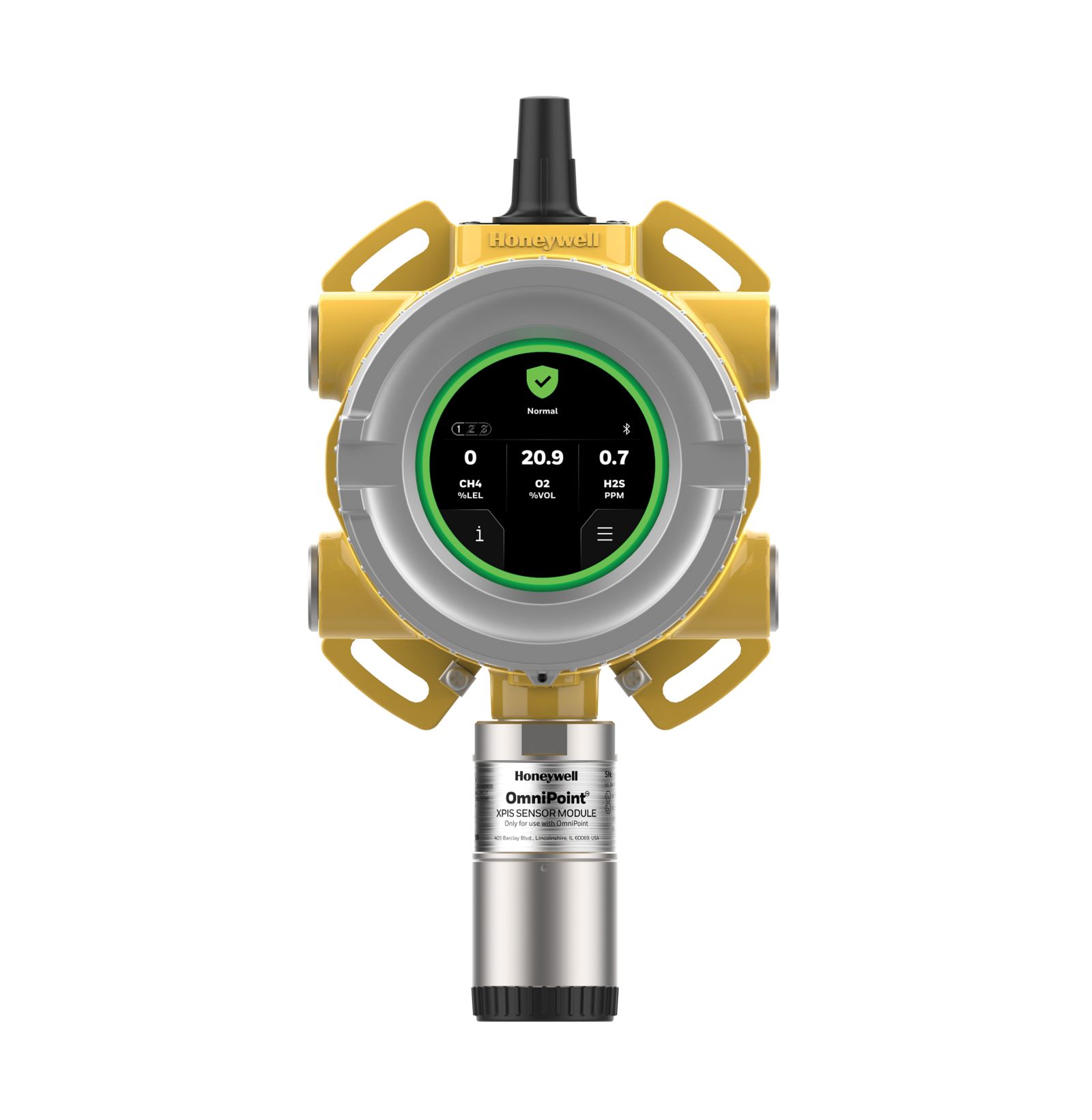
The remaining Honeywell is best read through three automation legs. Building Automation covers building controls, fire and security, energy management, and building software. Process Automation and Technology includes UOP process technology, catalysts, adsorbents, control systems, and Sundyne equipment. Industrial Automation includes sensors, measurement, safety, smart energy, and field-level industrial solutions. These three businesses will become the center of gravity.
The word automation is broad enough to be misleading. Building automation is about operating costs, safety, and energy efficiency inside buildings. Process automation is tied to yield, uptime, and safety in refineries, chemical plants, LNG, and industrial process sites. Industrial automation is closer to sensors, safety, measurement, and field equipment. They do not have the same growth profile, competitive intensity, or margin structure. That is why the post-spin Honeywell should be judged segment by segment, not praised as one generic automation story.


What changes when Aerospace leaves
Aerospace still matters. But in this article, it matters less as Honeywell's crown jewel and more as the high-quality business that is leaving the perimeter.
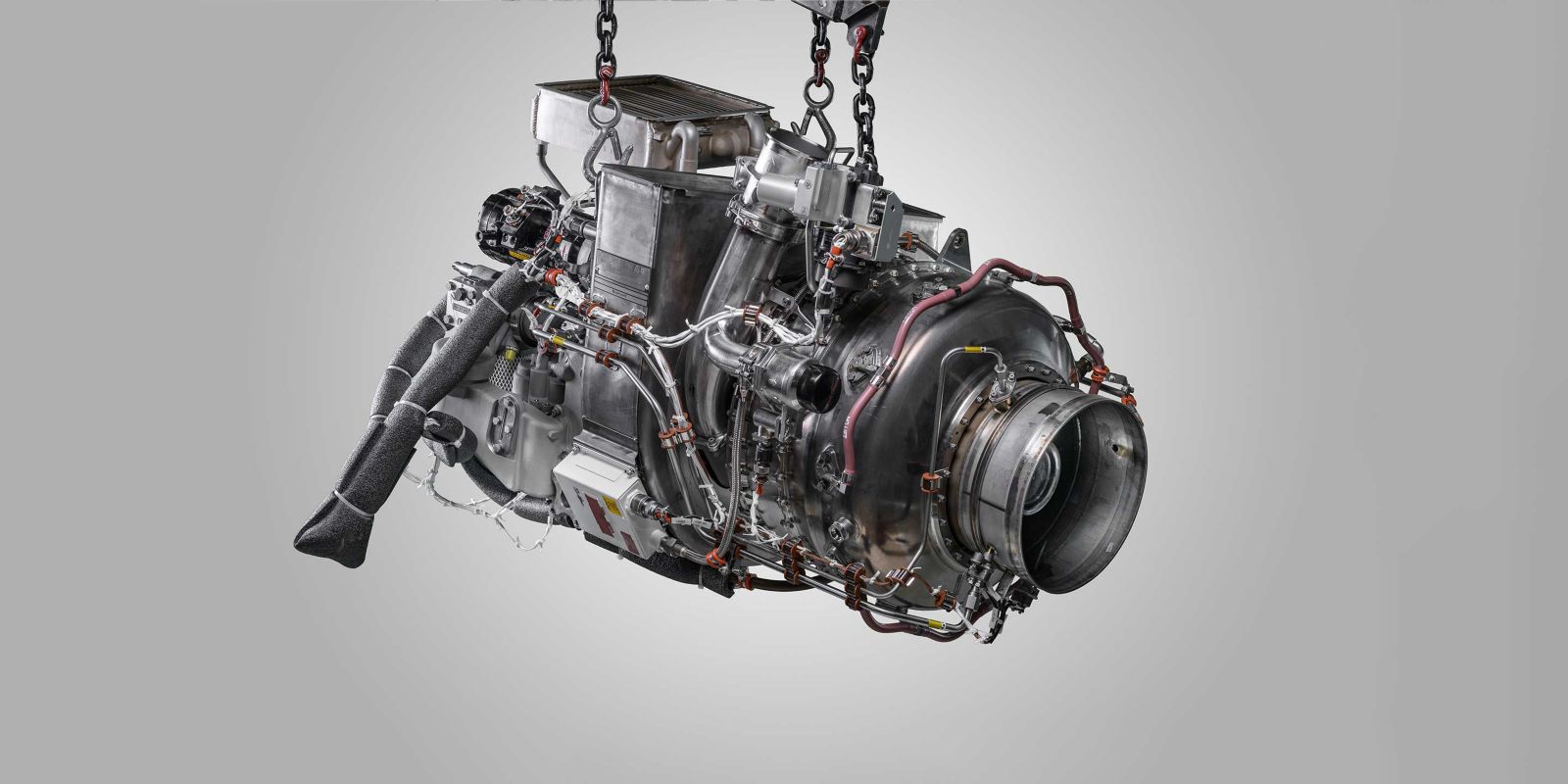
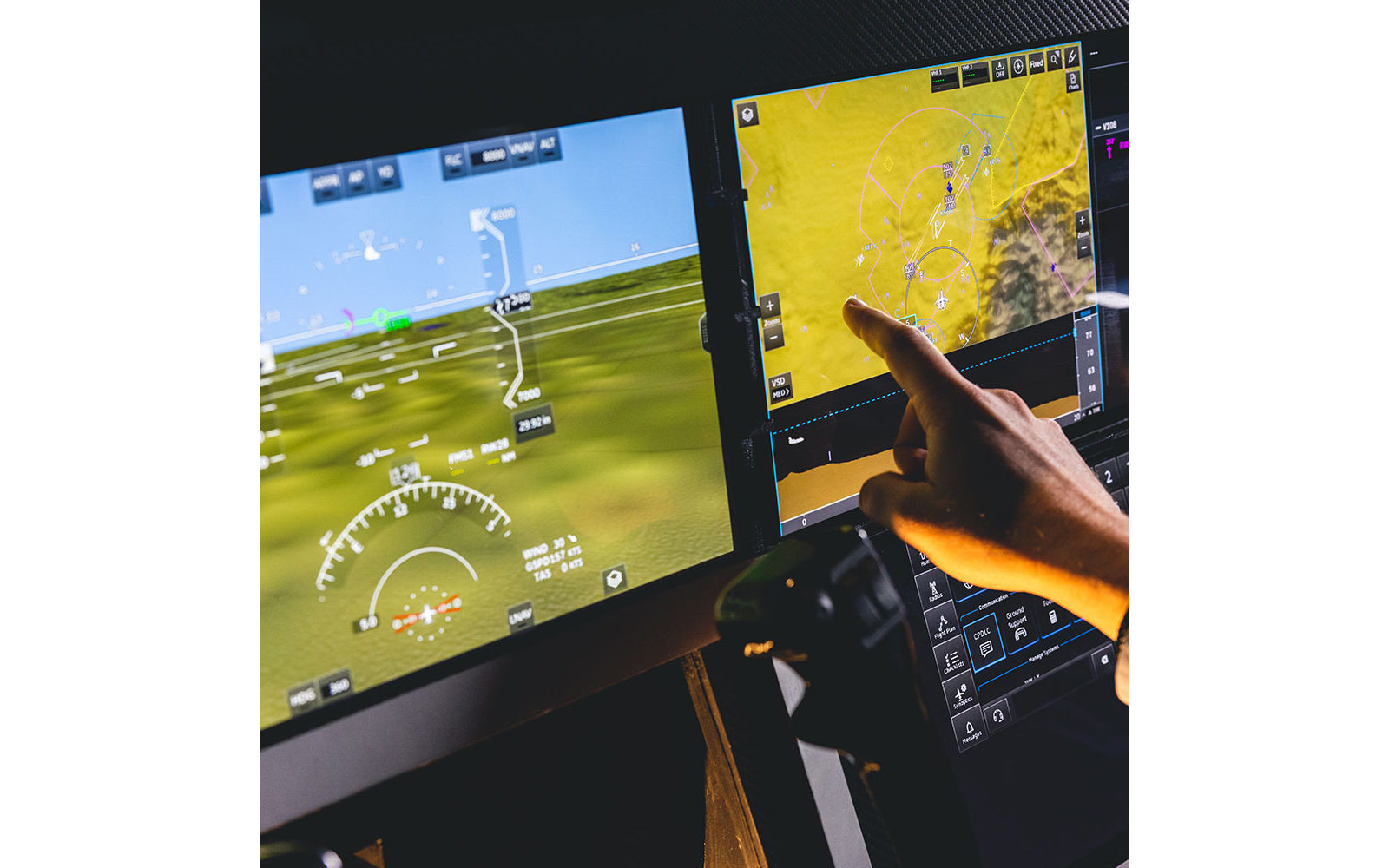
Aerospace is attractive for a simple reason: aircraft systems are hard to replace. Certification, safety history, maintenance networks, and long-term parts support create real switching costs. Honeywell sells auxiliary power units, avionics, environmental controls, engine controls, wheels and brakes, and aftermarket services. In Q1 2026, Aerospace Technologies generated $4.32 billion of sales, $1.14 billion of segment profit, and a 26.5% segment margin. It was close to half of company sales and more than half of segment profit.
That makes the separation double-edged. On one side, a standalone Aerospace company may be easier for the market to value as a pure aerospace supplier. On the other side, the remaining Honeywell loses the easiest premium-quality argument. Before the spin, investors could say Honeywell owned a strong aerospace moat plus automation assets. After the spin, the question becomes cleaner and tougher: can automation alone carry the valuation?

Building Automation: the cleanest remaining numbers
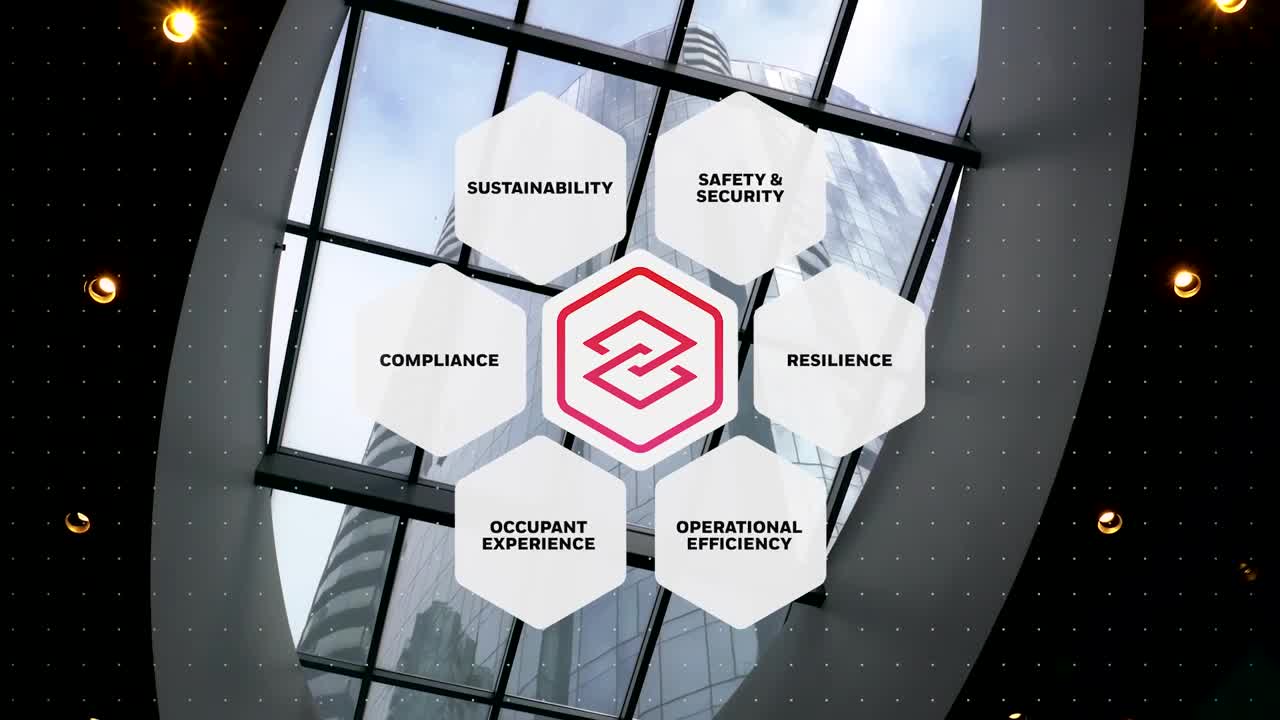
The cleanest remaining business is Building Automation. In Q1 2026, sales were $1.88 billion, segment profit was $496 million, and segment margin was 26.4%. That margin is almost aerospace-like. Organic sales rose 8%, helped by both products and solutions.
The appeal is straightforward. Once fire, security, control, and energy systems are installed in a hospital, airport, public facility, or large commercial building, customers do not replace them casually. A change can mean downtime, integration work, staff training, cybersecurity review, and operating risk. Higher energy costs also make building software and controls more valuable.
Still, this is not as protected as aerospace. Siemens, Schneider Electric, and Johnson Controls are serious competitors. Open protocols and system integrators matter. Honeywell's installed base and software give it a real position, but customers have alternatives. Building Automation is a good business; it is not a monopoly wrapped in a building.

Process Automation and UOP: sticky, but lumpy
The second leg is Process Automation and Technology. UOP is the key name here. It supplies process technology, catalysts, adsorbents, and engineering to refining, petrochemical, LNG, and renewable-fuel customers. This is not ordinary equipment. It affects yield, energy efficiency, uptime, and maintenance cycles.
That makes the business sticky. A refiner or chemical producer does not switch process technology or catalyst suppliers just because a new offer is cheaper. If yield drops or a plant is disrupted, the loss can dwarf the savings. Proven references and operating data carry weight.
The quarterly numbers, however, are less smooth. In Q1 2026, sales were $1.51 billion, up 5% as reported, but organic sales fell 6%. The Sundyne acquisition helped reported sales, while refinery catalyst shipment timing and Middle East disruption hurt the quarter. Orders were better, and book-to-bill was above 1.0. So this can be a structurally good business while still producing noisy quarters.

Industrial Automation: what is left after the cleanup
The third leg, Industrial Automation, needs the most careful reading. Sensors, measurement, and safety products can be critical at customer sites. Gas detection and remote-control equipment can turn failure into a safety issue. That gives part of the portfolio real value.
The problem is that the portfolio is still being cleaned up. Honeywell has already sold PPE, and Productivity Solutions and Services plus Warehouse and Workflow Solutions are also in sale processes. Management is effectively saying that not every industrial automation asset has the same growth, margin, or strategic relevance.
In Q1 2026, Industrial Automation sales fell to $1.42 billion, mainly because of the PPE divestiture. Organic sales rose slightly, but segment margin was 17.0%. That is meaningfully below Building Automation and Aerospace. After the spin, investors will need to see what quality remains after the divestitures are done.
Q1 through an automation lens
Now read Q1 through the post-spin lens. Honeywell generated $9.14 billion of total sales. Aerospace contributed $4.32 billion, so the three remaining automation segments together represented roughly $4.8 billion of sales. The remaining company is not small. The question is quality.
Honeywell attributed the net sales change to price +4%, currency +2%, acquisitions +1%, volume -2%, and divestitures -3%. Pricing is not a bad source of growth. It can show that customers accept higher prices. But lower volume matters. This was not a quarter where demand simply pulled shipments higher.
The automation pieces tell different stories. Building Automation delivered both growth and high margins. Process Automation has sticky customer relationships but weak organic sales this quarter. Industrial Automation is still affected by portfolio cleanup and runs at a lower margin. That means "Honeywell as an automation company" is not yet a conclusion. It is the test.
Net income attributable to Honeywell was $821 million, down from $1.45 billion a year earlier, and diluted EPS was $1.29. That decline should not be read as a collapse in operating quality. Q1 included impairment of assets held for sale, loss on debt extinguishment, divestiture-related costs, separation spending, and higher interest expense. The GAAP line was noisy because the company is being reshaped.
Balance sheet and cash flow: not broken, but complicated
The income statement is complicated. Cash flow and debt are more direct. Honeywell's balance sheet can be summarized this way: liquidity is good, but leverage is not trivial. Cash and short-term investments were $12.39 billion at March 31, 2026. Combined short- and long-term borrowings were roughly $36.7 billion, leaving estimated net debt around $24.4 billion.
The key is the post-spin capital structure. In March 2026, Honeywell Aerospace Inc. issued $16.0 billion of senior notes ahead of the planned separation. The guarantee structure may change after the spin. In other words, the current consolidated balance sheet is not the final picture. Investors need to know what debt Aerospace takes with it and what cash-flow capacity remains inside the automation company.
Cash flow was the least comfortable part of the quarter. Operating cash flow was negative $650 million. After $223 million of capital expenditures, a simple continuing-operations free cash flow calculation is negative $873 million. In the same quarter, Honeywell spent $1.0 billion on buybacks and paid $781 million of dividends. The company can do that because it has liquidity and balance-sheet access. Whether it should do so aggressively at this valuation is a separate question.
Inventory also deserves a small flag. Total inventory rose from $6.16 billion to $6.37 billion. Raw materials were the largest increase, while finished goods rose more modestly. That can be rational in a supply-chain environment with tariffs and sourcing uncertainty. Still, because volume was down 2%, finished goods and cash conversion should be watched in the next few quarters.
Management and capital allocation
CEO Vimal Kapur became chief executive in 2023 and chairman in 2024. He previously led Process Solutions and Building Technologies. That background matters because, after the spin, Honeywell's center of gravity shifts toward process, building, and industrial automation.
CFO Mike Stepniak became CFO in February 2025 after serving as CFO of Honeywell Aerospace Technologies. That matters. In a period shaped by separation financing, divestitures, M&A, and standalone company design, the finance function is not just closing the books. It is helping decide what balance sheets the future companies can live with.
R&D spending is a positive sign. Total R&D expense was $2.89 billion in 2025, and company-funded R&D increased again in Q1 2026. To earn an automation premium, Honeywell needs more than hardware. It needs software, data, energy efficiency, safety, and process optimization. Cutting investment to make near-term margins prettier would weaken that story.
Buybacks require a more careful view. Honeywell repurchased $1.0 billion of stock in Q1. Repurchases can make sense when the price is attractive and the business is durable. But at a valuation that already includes a quality premium and a separation premium, buybacks are not automatically value-creating.
What to watch next
The watch list should also move away from Aerospace and toward automation. First, Building Automation organic growth and margin. If that business can pair growth with mid-20s margins, it is the strongest defense of the remaining Honeywell's quality.
Second, Process Automation orders and conversion. Orders and a book-to-bill above 1.0 are helpful, but projects have to turn into revenue and cash. Third, Industrial Automation margin after divestitures. If the cleanup leaves slower growth and lower margins, the automation premium gets weaker.
Fourth, post-spin capital structure and free cash flow. A good automation company still needs good cash conversion. If free cash flow remains weak while buybacks continue at demanding prices, the market can mark down the premium.
Bottom line
Honeywell is not a low-quality industrial company. But the sentence used to describe it has to change. It is no longer enough to say that Honeywell is a conglomerate with a strong aerospace moat and some automation assets. After the spin, the company must show that automation alone is good enough.
The good news is real. Building Automation delivered strong numbers, and UOP-led process technology has customer switching costs. Honeywell stays inside buildings and plants for a long time. The caveat is just as real. Aerospace is the clearest high-margin moat, and it is leaving. Industrial Automation still needs to show the quality of the remaining portfolio.
The current price does not reflect low expectations. It reflects the belief that separation will create a clearer Honeywell. From here, the test is not the spin announcement itself. It is whether the remaining automation businesses can fill the aerospace gap with growth, margins, cash flow, and disciplined capital allocation.
Sources
- Honeywell Q1 2026 Form 10-Q
- Honeywell Q1 2026 results press release
- Honeywell 1Q 2026 earnings presentation
- Honeywell 2025 Annual Report
- Honeywell Aerospace Technologies
- Honeywell Building Automation
- Honeywell Process Automation
- Honeywell Industrial Automation
- Honeywell leadership profile: Vimal Kapur
- Honeywell CFO succession announcement