For busy readers
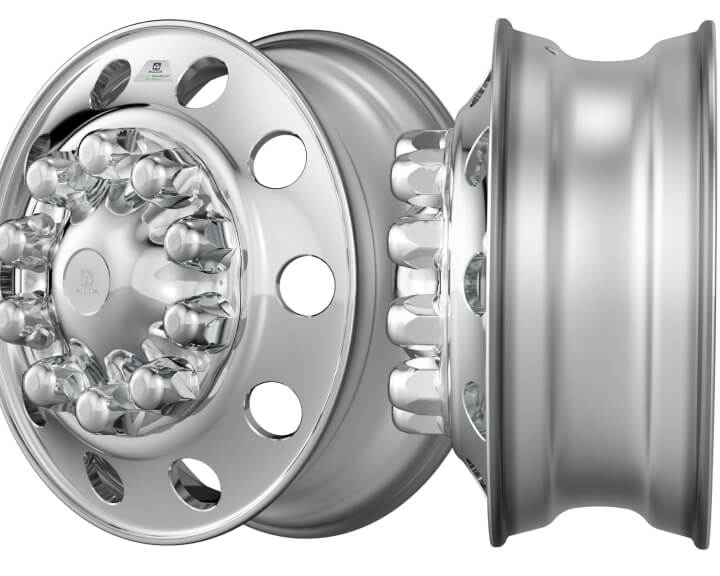
Howmet Aerospace is a good business. It makes high-reliability metal parts for aircraft engines, aerospace fasteners, titanium structures, and forged aluminum wheels. These parts can look ordinary from the outside, but in a jet engine or an aircraft frame, a small failure can become a serious safety problem. Customers therefore care less about the lowest sticker price and more about proven process quality.
That is the good part of the story. The harder part is valuation. Around the May 11, 2026 market close, HWM traded near $273.58, with a market value of roughly $110 billion. Against the company’s 2026 adjusted EPS guidance of $4.88 to $5.00, the stock was being valued at roughly the mid-50s in forward earnings. That does not make the business weak. It means the market is already assuming that Engine Products, Fastening Systems, and gas-turbine demand can stay strong for a long time.
So the main issue is not whether Howmet is a good company. It is closer to one already. The real test is whether engine products, fastening systems, and gas-turbine demand can keep supporting today’s high margins and cash generation. Aerospace production should give demand a long runway, but the stock already reflects much of that optimism.
What Howmet Actually Sells
Howmet is best understood as a specialty aerospace manufacturing company, not a generic metal processor. The company works in a field where materials, casting, forging, coatings, heat treatment, machining, inspection, and supplier approval all matter at the same time.
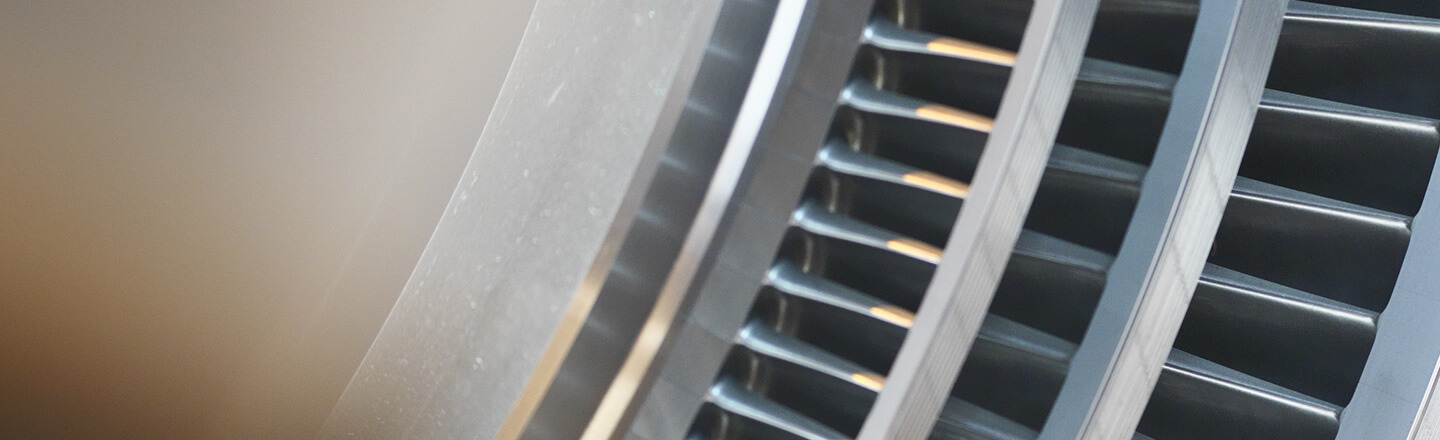
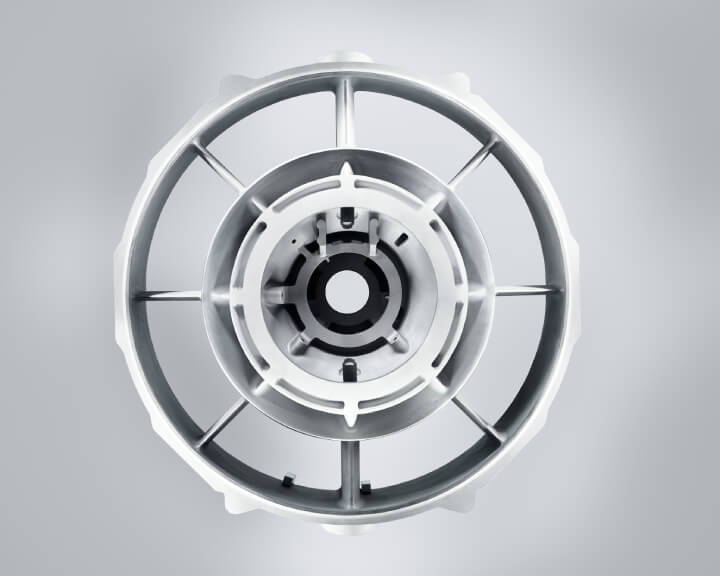
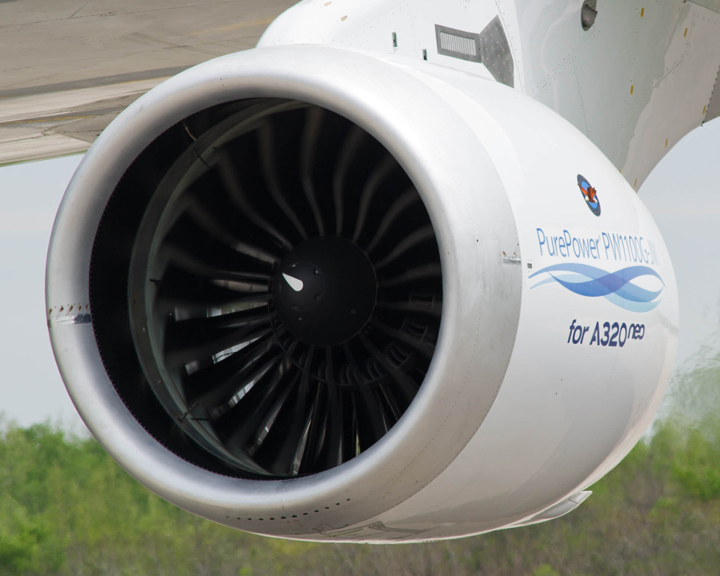
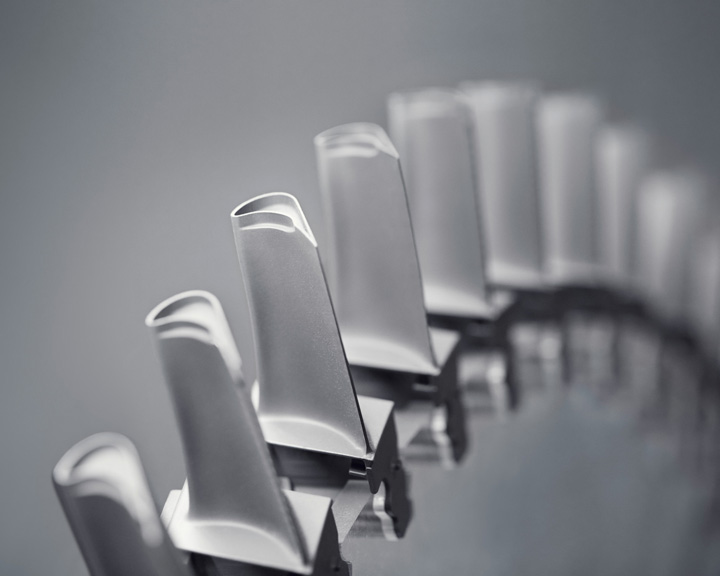
The most important segment is Engine Products. It makes investment castings, airfoils, rings, structural engine parts, and other components used inside aircraft engines and industrial gas turbines. These parts face extreme temperatures and stress. If an engine maker has qualified a supplier for a turbine component, switching suppliers is not a casual purchasing decision. It can require testing, certification work, manufacturing validation, and confidence that the supplier can deliver at scale.
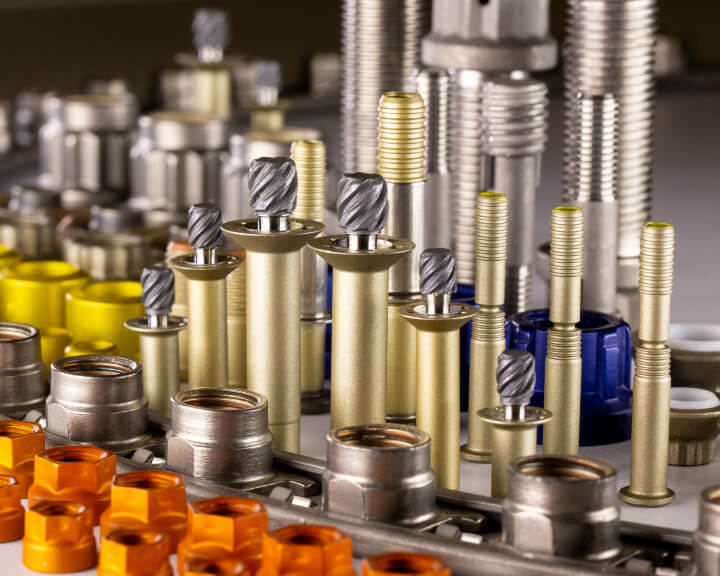
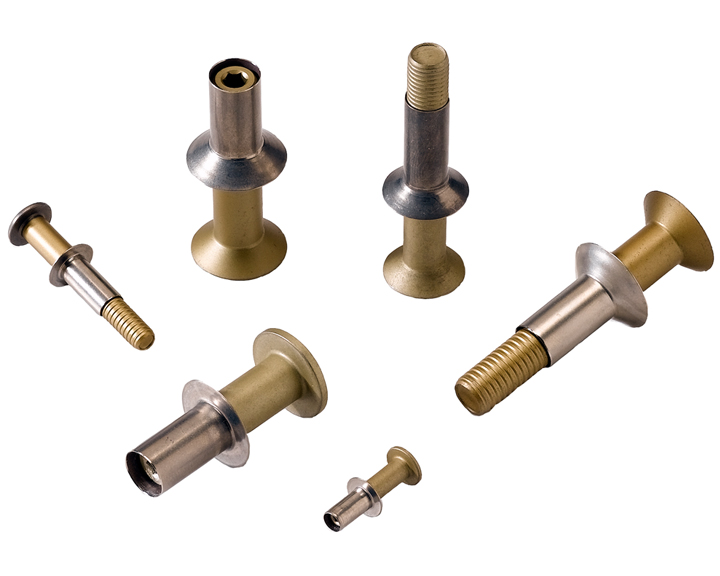
Fastening Systems is smaller, but it has a similar logic. Aerospace fasteners may look ordinary from a distance, yet they hold together aircraft structures, engines, and composite assemblies. Changing a fastener can require changes to installation tools, torque settings, fatigue-life assumptions, maintenance manuals, and inspection routines. That is why a small component can carry meaningful lock-in.
Where the Moat Comes From
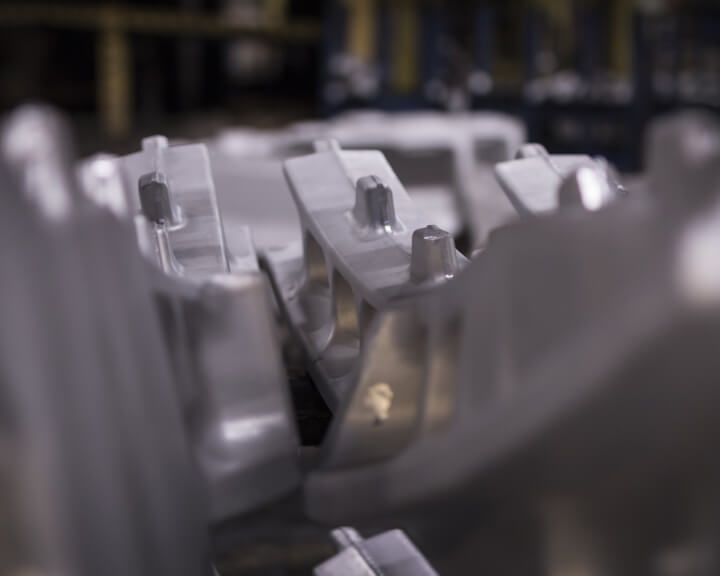
Howmet’s advantage is not that it owns one magical patent. The stronger point is that customers need a supplier that can repeatedly make difficult parts, document the process, pass inspections, and keep deliveries reliable. The moat is built from many small pieces that reinforce one another.
The 2025 Form 10-K lists roughly 1,020 issued patents and 180 pending patent applications, but the company also says it does not depend on a single patent or trademark. That matters. A business like this should not be judged only by the visible IP count. Much of the edge sits in manufacturing discipline, trade secrets, quality records, and the experience customers already have with Howmet parts.
The moat is strongest in hot-section engine components and aerospace fasteners. It is less absolute in titanium structures and forged wheels, where competition and end-market cycles matter more. That distinction keeps the analysis honest: Howmet is a high-quality company, but not every dollar of revenue deserves the same multiple.
A strong quarter, with a better mix
First-quarter 2026 revenue rose 19% to $2.313 billion. Adjusted EBITDA increased to $740 million, and adjusted EBITDA margin reached 32.0%. Those numbers are not only “good.” They show operating leverage in the parts of the business where demand is strongest.
The engine segment was the clearest driver. Engine Products revenue grew 29% year over year, supported by commercial aerospace, defense aerospace, gas turbines, and engine spares. That is exactly the mix investors want to see, because aftermarket and high-criticality engine work tend to support better margins than ordinary industrial volume.
| Metric | Q1 2026 | Why it matters |
|---|---|---|
| Revenue | $2.313B | Demand was broad, but engine and gas-turbine exposure made the growth higher quality. |
| Adjusted EBITDA margin | 32.0% | The margin level confirms that mix, pricing, and cost control are still working together. |
| Adjusted EPS | $1.22 | Earnings power rose faster than revenue, which is important at a premium valuation. |
| Free cash flow | $359M | The company converted the strong quarter into cash, not only accounting profit. |
The Balance Sheet Is Solid, but Read the Cash Carefully
Howmet’s financial position is healthy, but the March 2026 balance sheet needs context. Cash rose to $2.435 billion at quarter-end, yet this was partly timing. The company had already raised acquisition financing before completing the CAM acquisition on April 6, 2026. It also issued debt and used commercial paper, so the cash balance should not be read as excess idle cash.
This is still a financially capable company. It generated $453 million of operating cash flow in the quarter, spent $94 million on capital expenditures, and produced $359 million of free cash flow. Management also raised full-year 2026 guidance to $9.575 billion to $9.725 billion of revenue, $3.025 billion to $3.095 billion of adjusted EBITDA, and $1.7 billion to $1.8 billion of free cash flow.
| Inventory line | Mar. 31, 2026 | Dec. 31, 2025 | Read-through |
|---|---|---|---|
| Finished goods | $475M | $462M | Only modestly higher; no obvious warning sign yet. |
| Work in process | $924M | $885M | Consistent with longer-cycle aerospace production. |
| Purchased raw materials | $492M | $424M | The largest increase, which points more to ramp preparation than weak demand. |
| Total inventories | $1.975B | $1.849B | The level is worth monitoring, but the composition is not alarming by itself. |
CAM makes fasteners more important
Howmet’s CAM acquisition deserves attention because it adds precision fasteners, fluid fittings, and other engineered aerospace and defense products to an already attractive part of the portfolio. The price, about $1.8 billion, is not small. The strategic logic is still clear: Howmet wants to deepen the segment where product qualification and customer switching costs already matter.
The integration question is practical. Can CAM keep its margin profile while becoming part of Howmet’s broader manufacturing and customer system? If the answer is yes, Fastening Systems becomes a more important second pillar behind Engine Products. If integration costs, customer overlap, or execution issues dilute margins, the deal will look less attractive.
Risks that matter
The first risk is valuation. A premium multiple gives the company less room for merely decent execution. If aircraft production ramps slower than expected, if gas-turbine demand cools, or if margins settle below recent levels, the stock can react even while the underlying business remains good.
The second risk is aircraft production timing. Howmet benefits when Boeing, Airbus, engine makers, and defense customers need more qualified parts. But aerospace supply chains rarely move in a straight line. Delays at aircraft OEMs or engine programs can push orders and working capital around.
The third risk is cost pass-through lag. The company expects to recover tariffs and raw-material inflation over time, but the timing matters. A lag between cost increases and customer recovery can pressure margins in a given quarter.
The fourth risk is capital allocation at a high share price. Howmet repurchased $300 million of shares in Q1 2026 at an average price of $230.43, and bought another $150 million in April at an average price of $246.18. Buybacks are not automatically bad at a high price, but they become harder to defend when the multiple already assumes strong future growth.

What to Watch Next
Engine Products growth and margin are the first items to watch. If revenue keeps growing while margin stays near the mid-30s, the core moat is still showing up in numbers.
Fastening Systems after CAM is next. The segment should prove that the acquisition adds depth without pulling margins down.
Free cash flow guidance matters because valuation cannot be supported by revenue growth alone. The company’s $1.7 billion to $1.8 billion 2026 free cash flow target is an important checkpoint.
Inventory composition deserves attention. A rise in raw materials and work in process can be normal before production growth. A faster rise in finished goods would be a different signal.
Pass-through timing should stay on the list. Tariffs and raw materials may be recoverable, but investors should care about when the recovery arrives.
Bottom Line
Howmet is a strong company with a real aerospace moat. Engine Products has the clearest competitive position, Fastening Systems has attractive switching costs, and CAM gives that second pillar more scale. The balance sheet is capable, the quarter was strong, and cash generation is real.
The price is the demanding part. At this valuation, the company does not only need to be good. It needs to keep proving that its most attractive segments can grow, protect margins, and turn that strength into cash. For a long-term analysis, that is the central tension: Howmet’s moat is real, but the stock price already knows it.