For Busy Readers
The easiest sentence about Korean equities is HBM. Samsung Electronics, SK hynix, AI servers, memory pricing, and the Korea discount explain a large part of the rally.
They do not explain enough. For Korea to be rerated in a lasting way, the chip cycle has to meet two domestic changes: money has to move out of the old property-only mindset, and companies have to return more of their profits through dividends and share cancellation.
The export numbers are strong. From May 1 to May 10, 2026, Korean exports rose 43.7% from a year earlier, while semiconductor exports rose 149.8%. Chips accounted for 46.3% of total exports during the period. The rally is not built on mood alone. The AI supply chain is pulling Korean memory back into global demand.
The harder question is different:
Can Korea move from being a cheap market to being a trusted market?

HBM Is The Starting Point
It makes sense that overseas investors begin with HBM. Few markets outside the United States and Taiwan offer such direct exposure to the AI infrastructure cycle. If AI servers need more high-bandwidth memory and advanced DRAM, Korea matters.
The early-May export data made that visible. Total exports reached $18.4 billion. Semiconductor exports reached $8.54 billion. One product category accounted for almost half of national exports over those ten days.
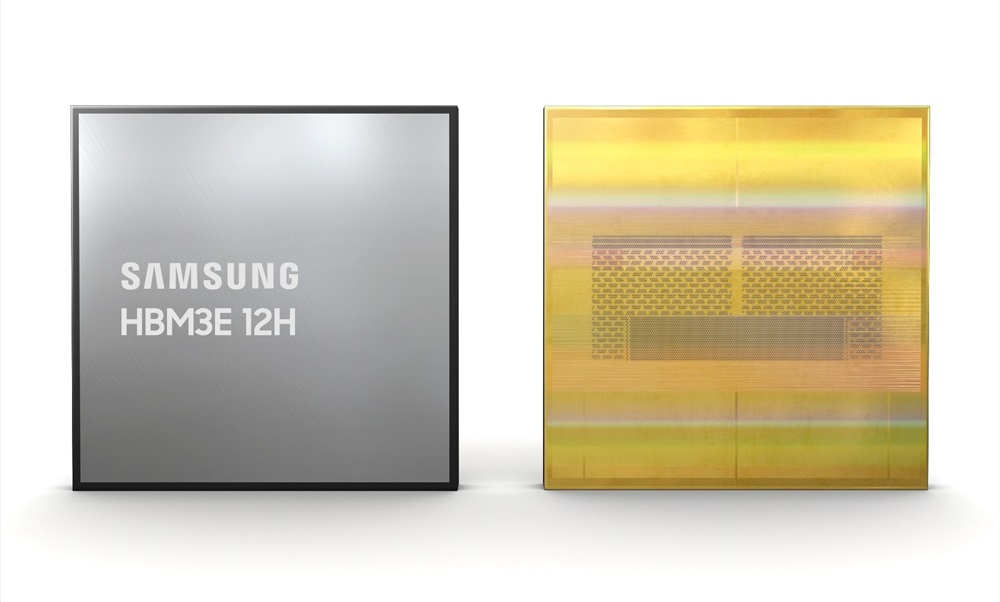
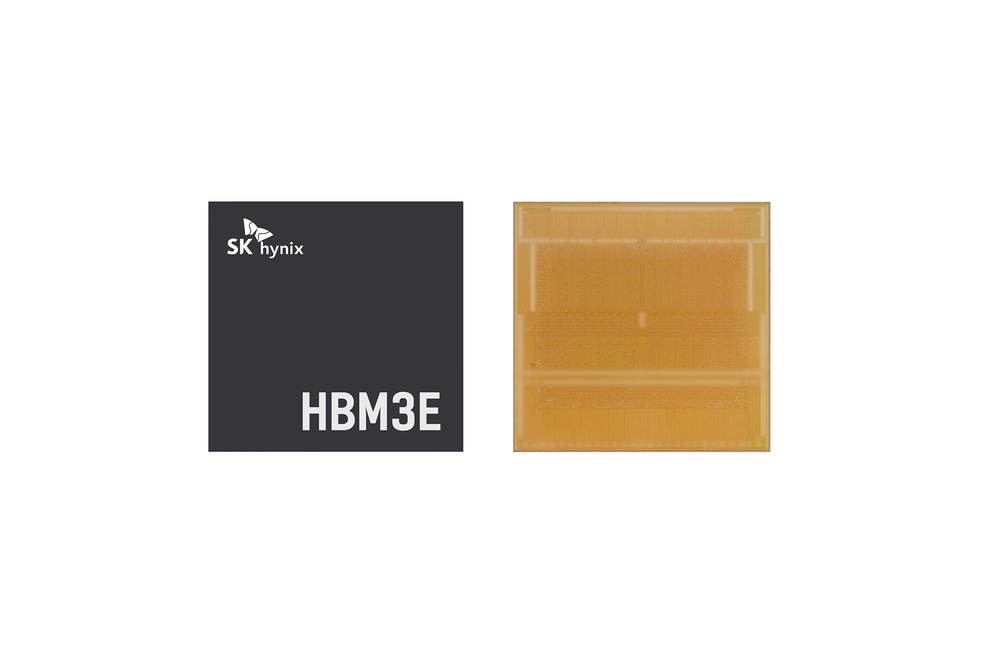
This is Korea's strength and its vulnerability. Korea is not selling a generic commodity. It is selling a bottleneck in the AI supply chain, which gives global investors a clean reason to care.
It also makes the story cyclical. Memory prices can rise quickly and fall quickly. HBM competition can tighten. Production issues at a few firms can move the index. The better question is not whether chips are strong. They are. The better question is whether the chip cycle can change domestic capital, corporate behavior, and market breadth.
Money Still Speaks The Language Of Property
Korean households do not approach equities from a blank sheet of paper. The apartment has long been more than a home. It has been wealth, status, marriage collateral, education strategy, retirement plan, and inheritance object.
That history matters. If domestic households keep treating stocks as short-term themes and property as the only serious long-term asset, foreign buying can lift the index without deepening trust in the market.
The household balance sheet shows the starting point. In the 2025 Household Finance and Welfare Survey, average household assets were 566.78 million won. Real assets were 429.88 million won, or 75.8% of the total. Financial assets were only 24.2%.
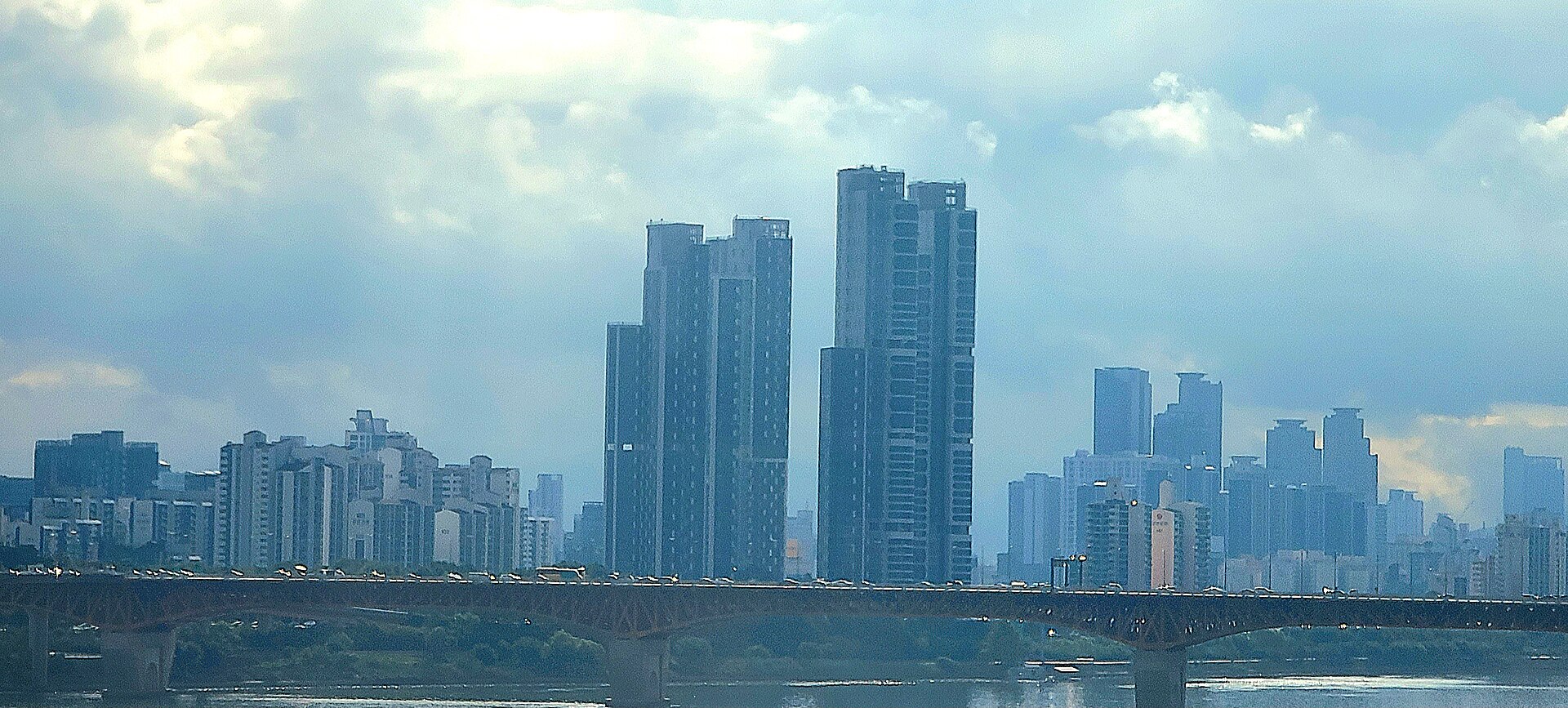
The shift does not have to happen overnight. It begins with pension accounts, ETFs, dividend stocks, overseas equities, and a willingness to hold good companies through cycles. A healthier Korean market is not a slogan. It is a change in household habit.
The Opposite Of Discount Is Trust
"Korean stocks are cheap" is true but incomplete. If cheapness alone created reratings, Korea would have been rerated many times already.
The core issue has been trust. Korean companies could export, earn profits, and build world-class production systems. Shareholders still had to ask how much of that value would reach them. Low payout ratios, weak buyback cancellation, complex control structures, and conflicts between controlling owners and minority shareholders raised the market's discount rate.
The treasury-share reform matters because it touches a familiar source of mistrust. In February 2026, Korea's National Assembly passed a Commercial Act revision requiring listed companies to cancel newly acquired treasury shares within one year after the law takes effect. KBS described the measure as an attempt to improve governance and prevent treasury shares from being used to defend control.
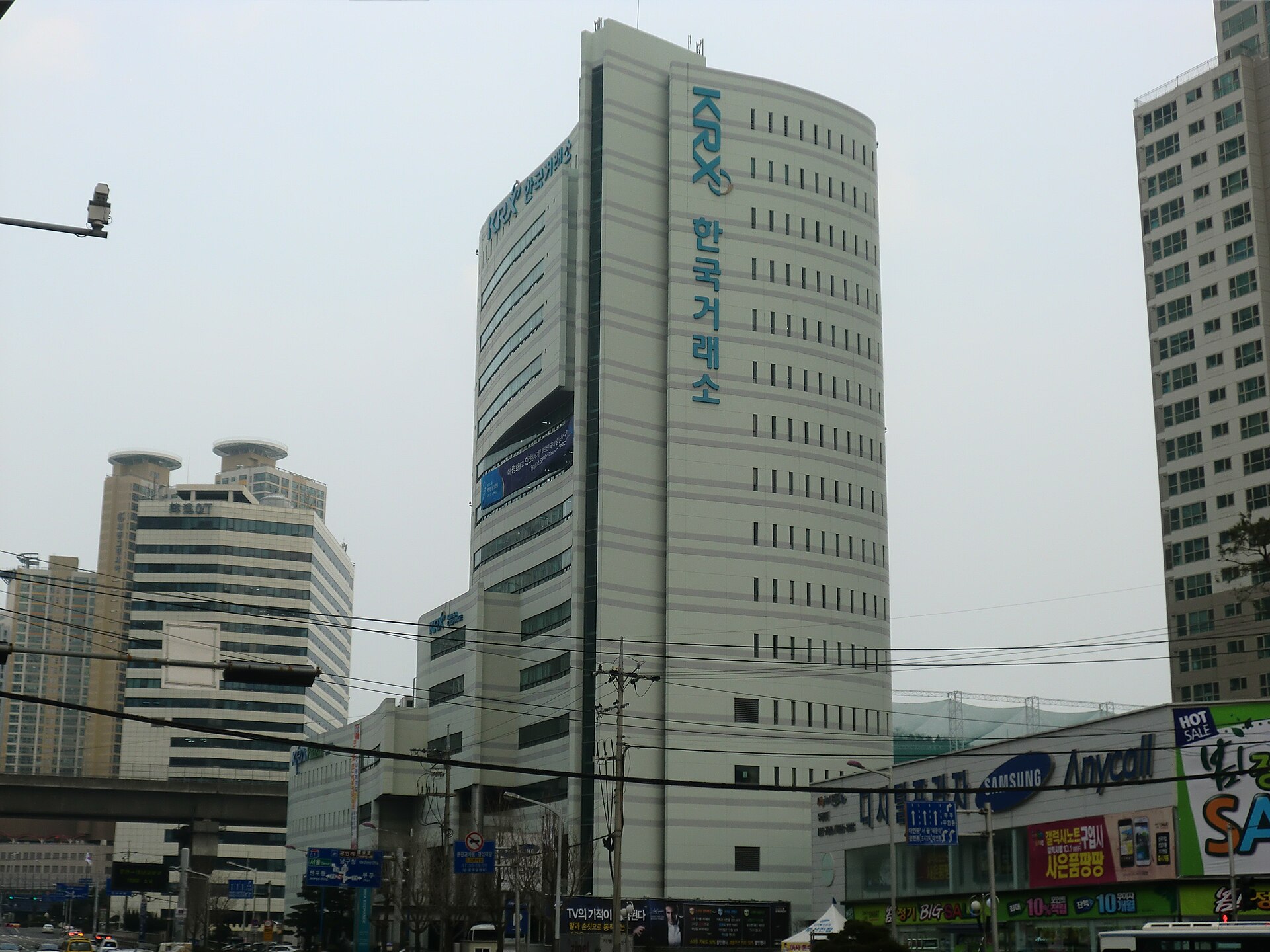
One law does not change corporate culture overnight. The market will want years of evidence: dividends rising with earnings, actual share cancellation, cleaner board decisions, and fewer transactions that leave minority shareholders feeling pushed aside.
| Axis | Old Logic | What Must Change |
|---|---|---|
| Profits | Exports are strong, but shareholder value is uncertain. | Earnings growth is matched by dividends and cancellations. |
| Treasury shares | Shares can remain useful for control defense. | Newly acquired shares face cancellation pressure. |
| Domestic money | Households trade themes and return to property. | Pensions and households hold equities with a longer horizon. |
| Market multiple | Low valuation looks like a value trap. | Lower governance risk can lower the discount rate. |
Korea Has More Scenes Than Semiconductors
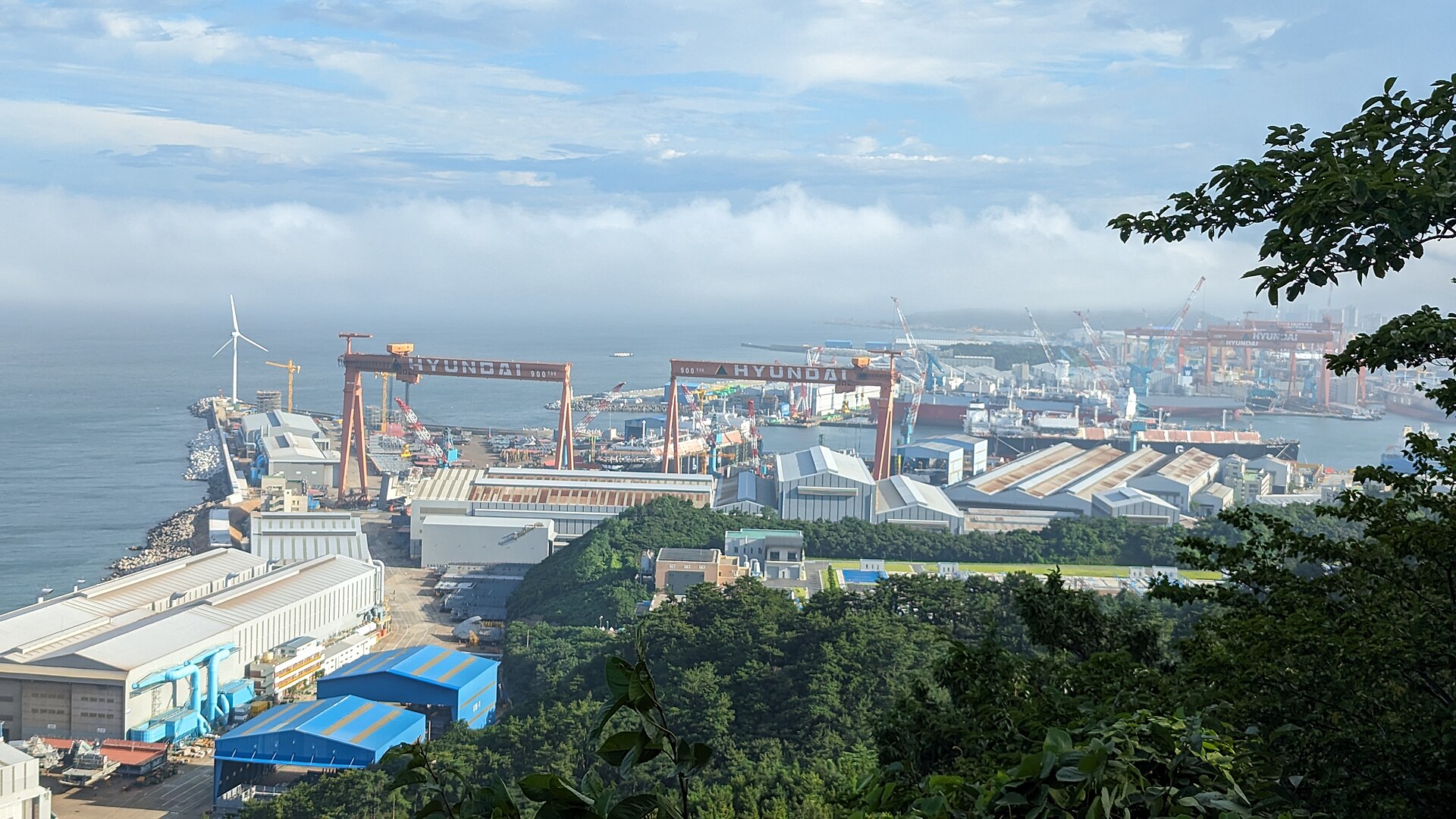
Korea remains a manufacturing country, but the manufacturing story has changed. Shipbuilding is tied to LNG carriers, naval demand, and energy transport. Defense is tied to European rearmament and Asian security. Power equipment is tied to grids, data centers, and electrification. Autos are tied to hybrids, EVs, US production, and tariff policy. Batteries have gone through a painful adjustment, but ESS and electrification remain part of the long-cycle map.
That is why "semiconductors or nothing" is too thin. Chips are the strongest engine. They are not the only transmission channel.
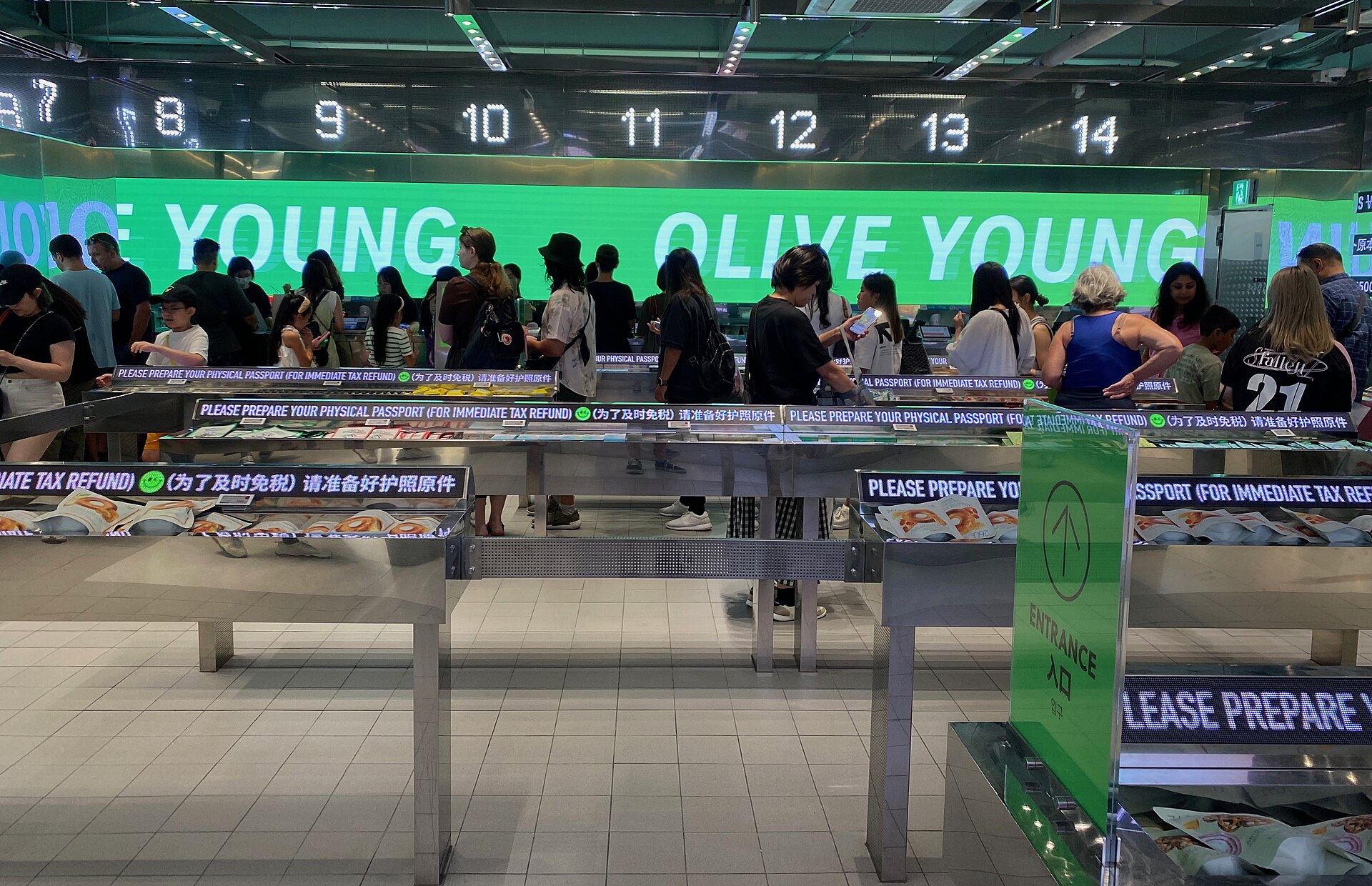
Culture adds a different kind of leverage. K-content exports reached $14.08 billion in 2024. Games accounted for 60.4% of content exports, while music and broadcasting-film created additional export channels. Cosmetics exports reached $11.43 billion in 2025, and first-quarter 2026 cosmetics exports rose 19% to $3.1 billion.
The numbers are smaller than semiconductors. The market effect is still real. Culture lowers customer-acquisition friction for beauty, food, tourism, fashion, games, and intellectual property. A drama, a song, a webtoon, a beauty product, and a Seoul neighborhood can become parts of the same demand chain.
Fiscal Policy Helps. The Won Still Sets The Line.
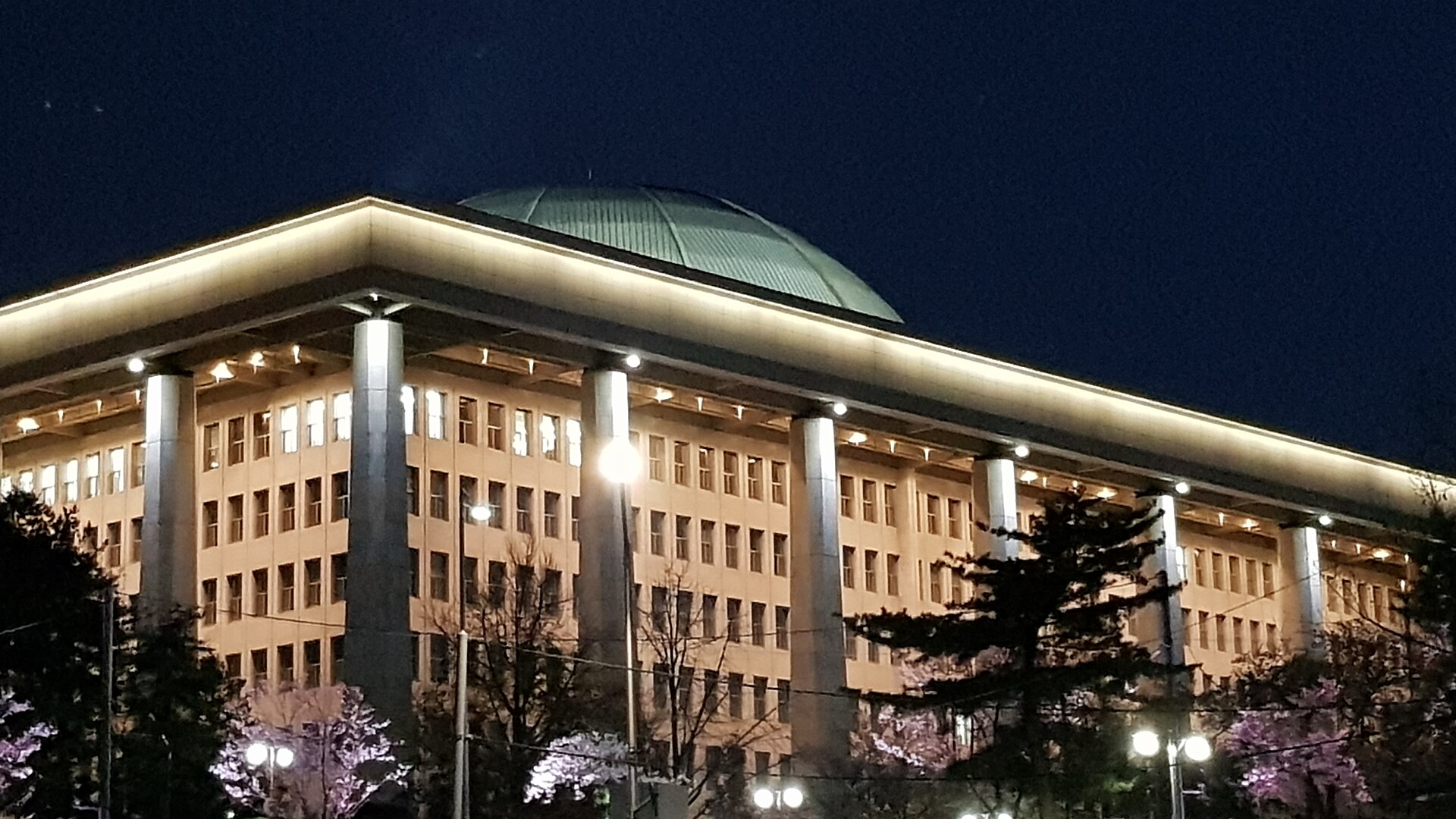
Fiscal policy is supportive for equities. The 2026 budget proposal set total expenditure at 728 trillion won, up 8.1% from the previous year. The government framed spending as a catalyst for growth and recovery, with larger outlays for AI, research, industry, SMEs, energy, defense, and other strategic areas.
That helps. Fiscal spending can support domestic demand, industrial investment, and policy-linked sectors. It also reinforces the message that savings should move toward productive industries and capital markets, not only property.
But Korea cannot run policy as if it prints the global reserve currency. The Bank of Korea held the base rate at 2.50% on April 10, 2026, while noting Middle East risks, inflation pressure, growth downside, and financial-market volatility. It also noted that the won had moved into the 1,500 range against the dollar before easing after a temporary ceasefire.



| Policy Axis | Support | Constraint |
|---|---|---|
| Fiscal | Supports demand and strategic sectors. | Deficits, debt, and inflation remain. |
| Monetary | Limits an excessive easing narrative. | Won weakness and household debt matter. |
| Industrial | Backs AI and advanced manufacturing. | Spending efficiency must be proven. |
| Capital market | Raises expectations for shareholder returns. | Companies must follow through. |
What Has To Change For Rerating To Last
The good scenario is not simply "Korea goes up." It comes with conditions.
Semiconductor demand must stay firm, but the rally also has to broaden. The won needs to avoid disorderly weakness. Companies need to show that dividends and buyback cancellation are not temporary public language. Households and pensions need a reason to extend their equity horizon. Fiscal spending needs to reach productivity, not only consumption.
| Scenario | Condition | Watch |
|---|---|---|
| Durable rerating | Chips, won stability, and shareholder returns improve together. | HBM demand, dividends, cancellations, pension flows |
| Narrow chip rally | Samsung and SK hynix carry most of the index. | Equal-weight index, non-chip earnings |
| Policy disappointment | Fiscal spending leans toward short-term consumption. | Budget execution, fiscal-balance path |
| FX shock | Oil and won weakness unsettle foreign flows. | USD/KRW, oil, BOK language |
| Discount returns | Governance reform remains mostly symbolic. | Cash returns, minority-shareholder treatment |
The Last Question
Overseas investors are right to see Korea as an AI semiconductor market. Koreans see that too. They also see housing fatigue, younger households' asset anxiety, tourists in Seoul neighborhoods, fast-changing beauty shelves, pressure for better dividends, and a government trying to push savings toward productive industries.
That local texture matters. A market is not rerated only because foreigners discover it. It is rerated when domestic investors give it a larger role in their own balance sheets.
- A useful way to read KoreaEveryone is excited about HBM, but the real Korean market story is capital moving and companies returning more cash to shareholders.
The conclusion is conditional, not promotional.
Korea may be moving from a cheap market to a more trusted market. But the semiconductor upcycle is not enough. The case needs shareholder returns, currency stability, productive fiscal spending, and households willing to treat equities as long-term assets rather than trades.
The question is no longer simply whether Korea is cheap. It is whether Korea is becoming investable on better terms.