For Busy Readers
A U.S.-Iran ceasefire or limited agreement is possible. Neither side has an easy path to an unlimited war, and the longer the Strait of Hormuz stays tense, the more pressure comes from energy importers, shipping firms, allies, and domestic politics.
But markets are not buying the document alone. They are buying the probability that the document survives. The real test is whether oil and LNG flows, insurance costs, shipping routes, and inflation expectations actually settle down.
That is why oil sits at the center of this story. Oil turns geopolitical risk into inflation risk. Inflation risk turns into rate risk. Rate risk then reaches equities, bonds, gold, silver, bitcoin, and the dollar. So the market question is simple: not can a ceasefire happen, but can it last long enough for markets to trust it?
A Deal Can Happen. Peace Is Harder.
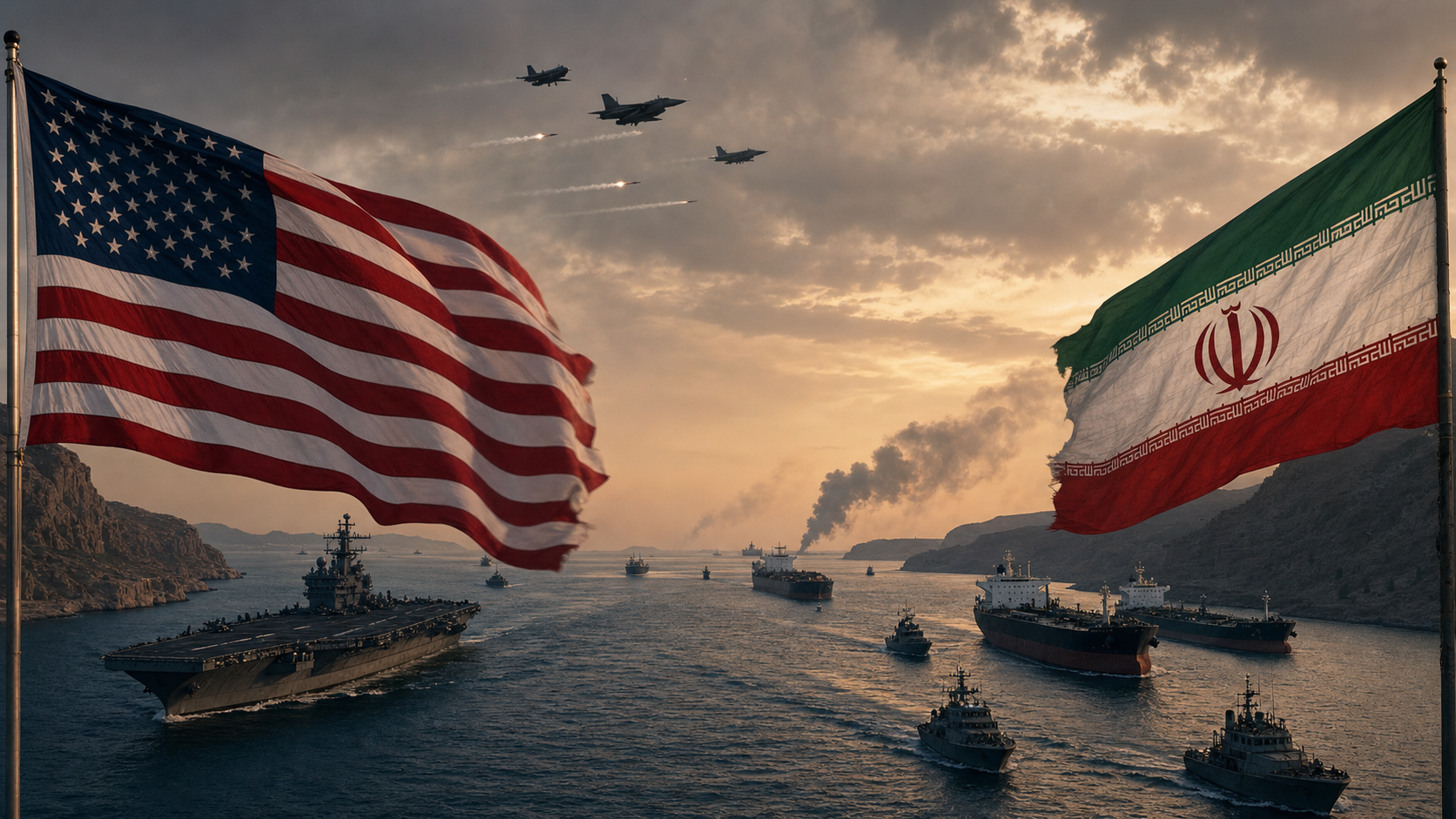
Both sides have reasons to search for an off-ramp. Washington does not want another open-ended Middle East escalation. Tehran must manage military pressure, sanctions, internal politics, and the danger that a threat to Hormuz turns too many countries against it.
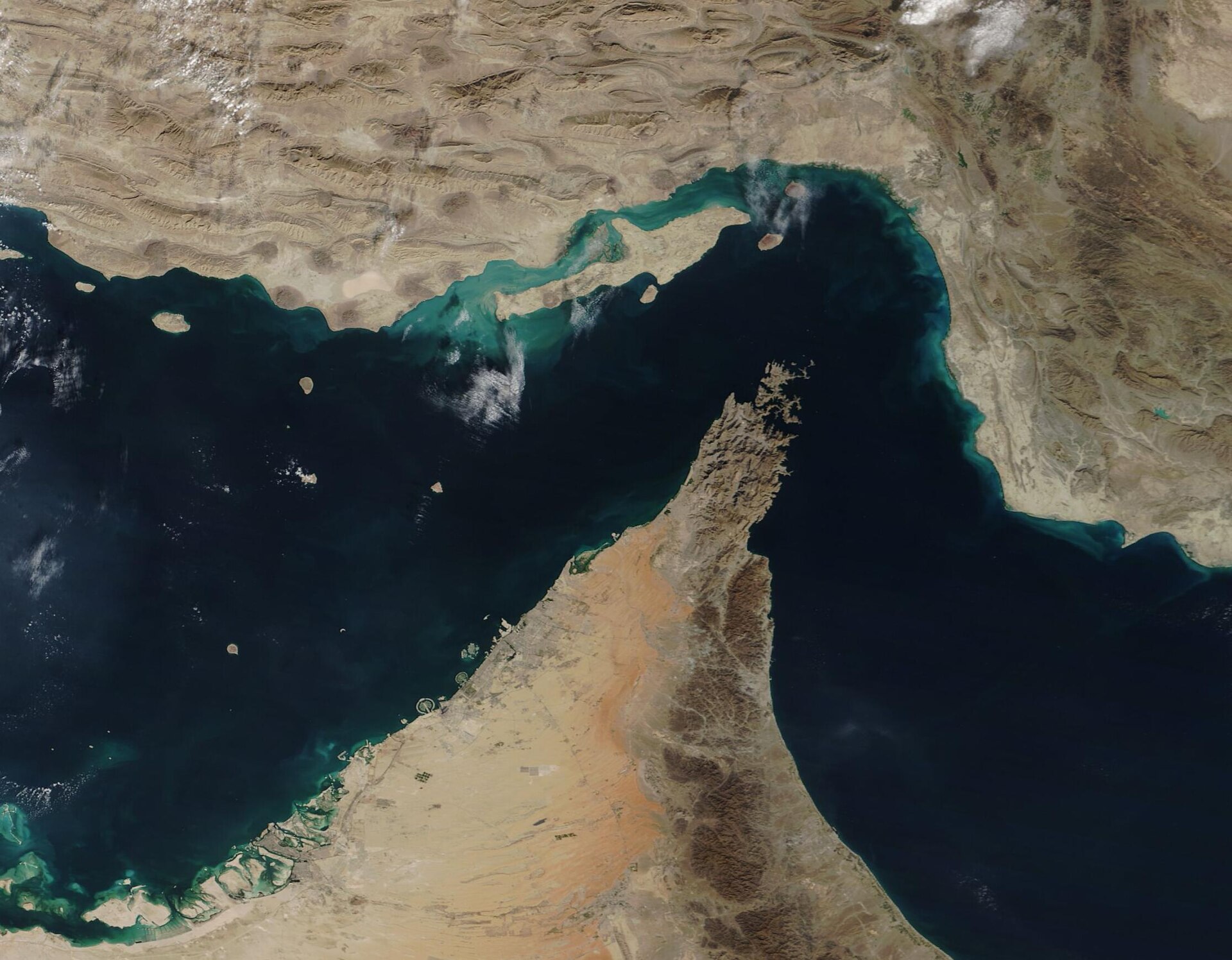
The strait is a powerful card for Iran, but also a self-damaging one. A credible threat can raise the cost for the United States and its partners. A prolonged disruption can raise the cost for Iran as well, because it invites diplomatic isolation, military containment, and pressure from energy importers.
So yes, an agreement can be reached. But a ceasefire begins as a sentence. Trust begins only when ships move, insurers lower premiums, crude and LNG contracts settle, and the next retaliatory headline does not arrive.
The Weak Point Is Internal Politics
A ceasefire does not remove every veto player. Inside Iran, some factions may see compromise as a way to preserve the regime and buy time. Others may read it as humiliation. Nuclear commitments, sanctions relief, frozen assets, Hormuz management, Lebanon, Israel, and Gulf security can each weaken the arrangement.
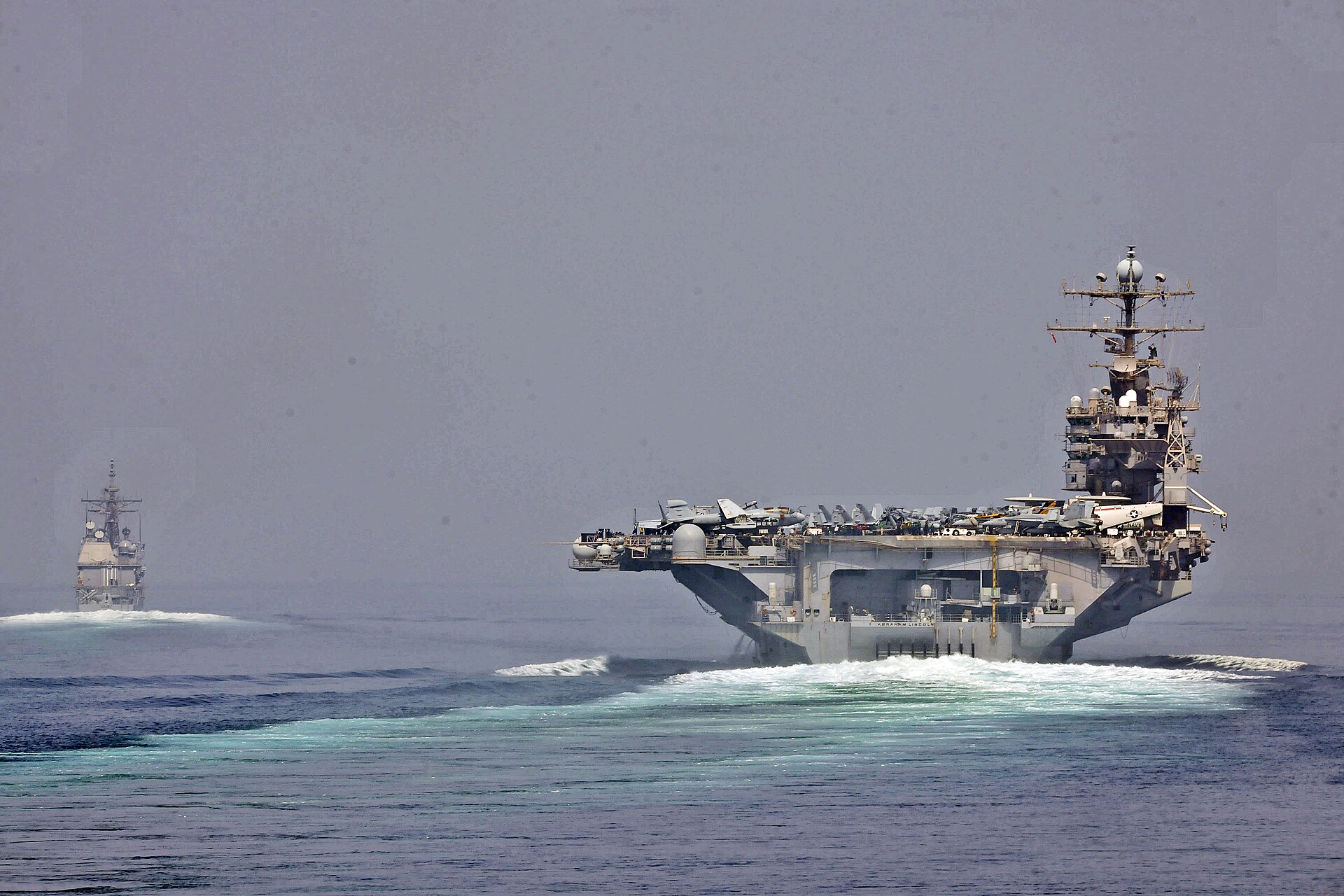
The U.S. side is not simple either. Congress, public opinion, Israel, Gulf partners, energy consumers, and the military all pull on the decision. Even if the White House wants to contain the conflict, one strike, one proxy attack, or one tanker incident can change the political room.
That is the durable problem. Agreements are not held together by paper. They are held together when the political cost of keeping them is lower than the political reward for breaking them.
The First Market Reaction Is Relief
When a ceasefire looks more likely, risk assets usually respond first. Equities can bounce, oil can fall, and dollar strength can soften. Recent market reporting has already shown how quickly oil and equities move between ceasefire hopes and renewed military headlines.
Yet the first reaction is not the final verdict. Markets may price the probability of a deal before they price the credibility of that deal. The next questions arrive quickly: can oil stay lower, can inflation expectations cool, can the Fed talk about cuts again, and can companies forecast costs?
Without those answers, a ceasefire trade can remain a relief rally rather than a regime change.
Equities Need Cost Stability More Than Headlines
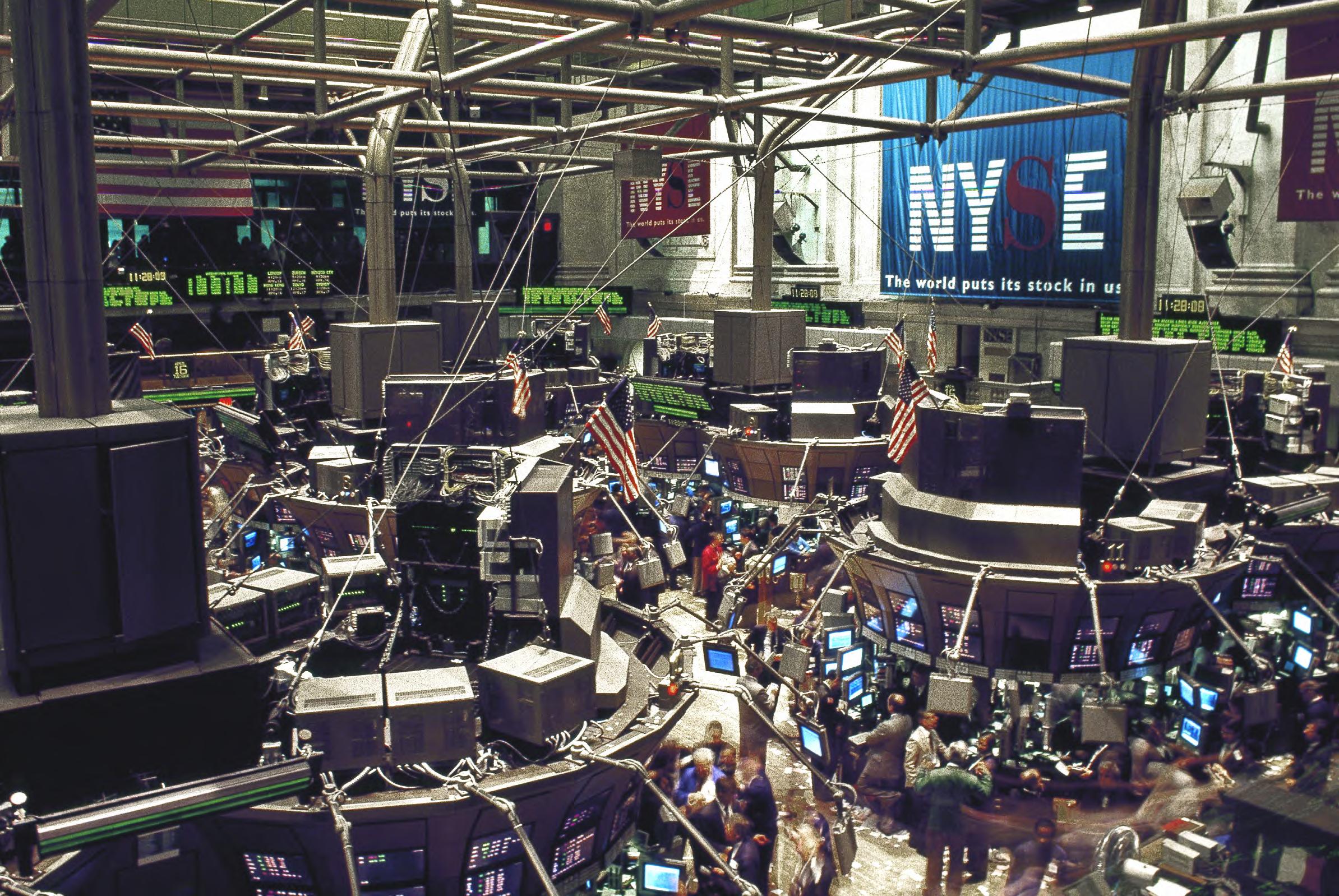
The stock market does not only want fewer war headlines. It wants companies to regain cost visibility. If oil, freight, and marine insurance stay elevated, energy-sensitive sectors may enjoy an initial bounce but still struggle to rebuild margins.
Growth stocks are more exposed than they may look. If oil keeps inflation pressure alive, rate-cut expectations weaken. If rates stay high, long-duration earnings become harder to price. Energy, materials, defense, staples, and companies with pricing power may hold up better, but that is not the same as saying they are risk-free.
The equity takeaway is direct. A ceasefire can lift stocks. If it fails to stabilize the cost structure, the rally may not last.
Bonds Are Safe Assets, But Not Always Safe
Bonds face a more difficult setup. A war scare can bring demand for Treasuries. At the same time, an oil shock can raise inflation expectations and make central banks cautious about easing.
That leaves bonds between two forces: flight-to-quality buying and inflation-driven yield pressure. Long nominal bonds are especially sensitive if investors demand a larger inflation premium.
So the bond market’s question is narrow: is the ceasefire credible enough to change the inflation path? If yes, bonds can benefit. If no, Treasuries may remain safe assets with an uncomfortable inflation problem attached.
Oil Is The Transmission Line
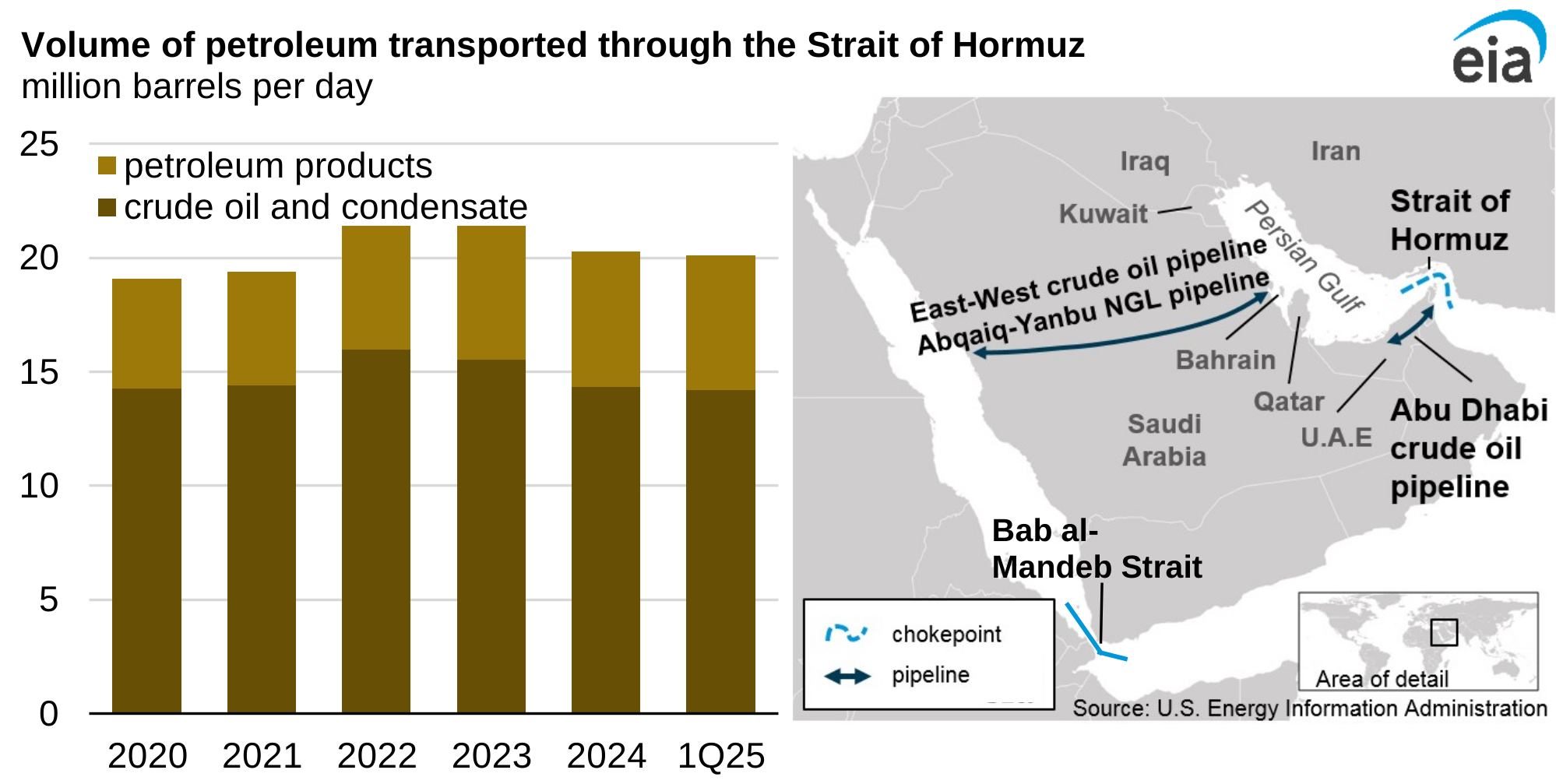
Oil is the central variable because it connects almost every market. It touches inflation, inflation touches rates, and rates touch equities, bonds, gold, bitcoin, and the dollar.
If the ceasefire is durable, oil can fall. If it is fragile, some war premium may disappear but a re-escalation premium can remain. Markets do not simply accept the phrase “the war is over.” Oil watches whether ships pass.
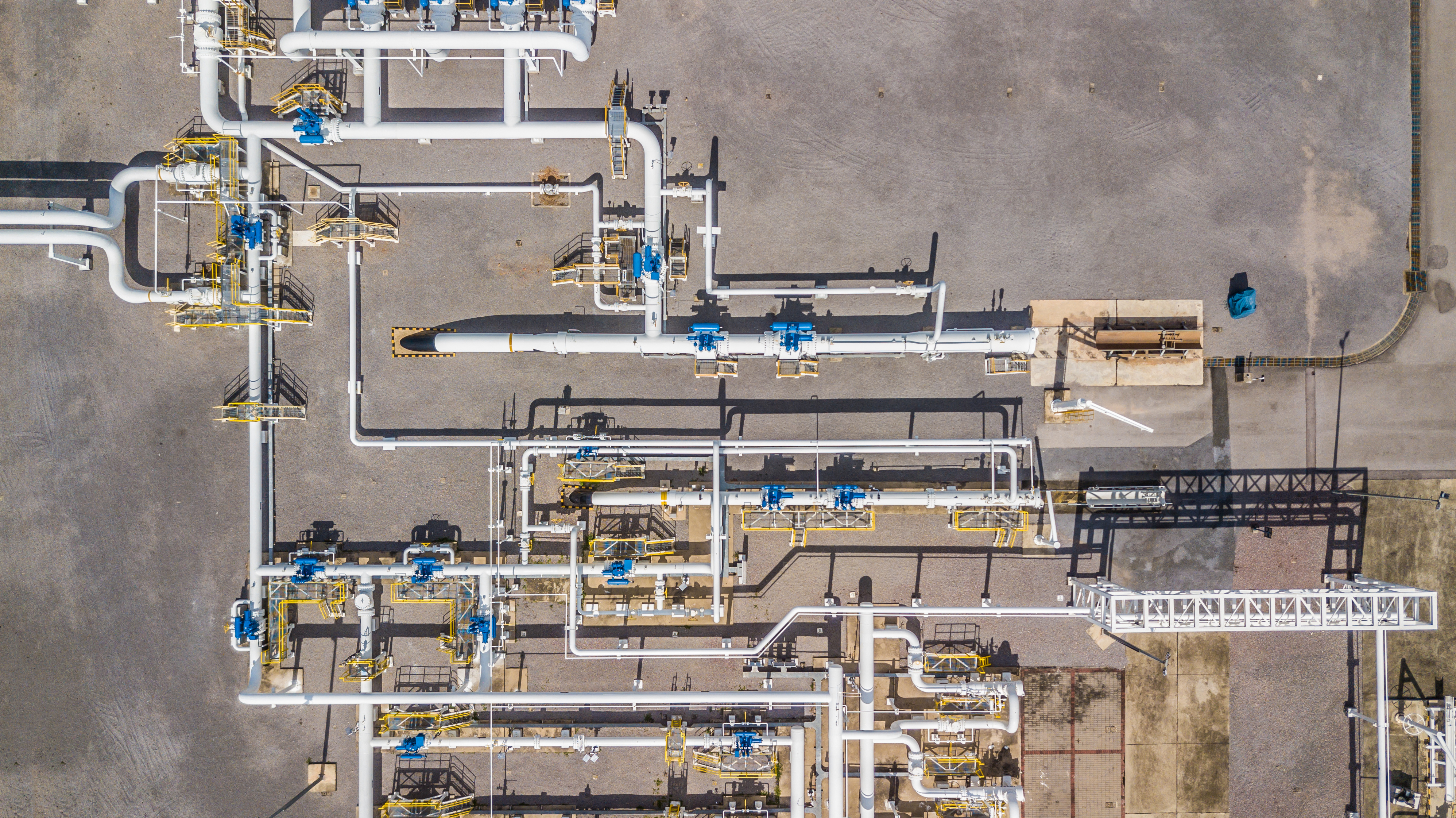
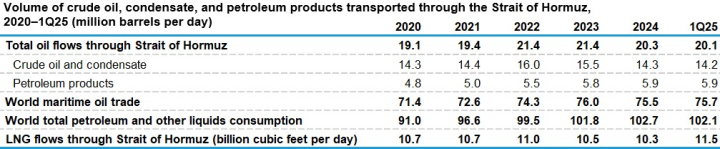
Traffic through Hormuz, mine risk, marine insurance, refinery procurement, and LNG cargo movements have to normalize. A diplomatic sentence is not enough.
.jpg)

Gold, Silver, And Bitcoin Sit Between Fear And Real Rates
Gold is the intuitive hedge in this setting. War risk, inflation pressure, and doubts about currency stability can all support it. But gold does not pay interest. When real rates rise, gold can struggle.
Silver is more complicated because it is both a precious metal and an industrial metal. It can follow gold when fear rises, then weaken if the same shock damages industrial demand.
Bitcoin is also two-sided. It can benefit from a digital-scarcity story when geopolitical and fiscal anxiety rise. But it still often trades like a high-beta liquidity asset. For bitcoin, the key variable is less the war itself than liquidity and real rates.
Liquidity Alone Is Not Enough
If liquidity is plentiful but inflation risk is also high, assets do not necessarily rise together. Liquidity helps risk assets. But if that liquidity is seen as feeding inflation, central banks have less room to cut.
The real distinction is not the quantity of money. It is whether the money supports growth or pushes prices higher. If oil stays high and inflation expectations wobble, markets may focus more on tighter policy than on abundant liquidity.
That is why cross-asset behavior can split. Equities may enjoy short-term support, then run into costs and rates. Bonds may dislike inflation. Commodities may rise early, then face demand destruction. Bitcoin may like liquidity until rate expectations turn against it.
What To Watch Next
The first indicator is actual Hormuz traffic. The second is marine insurance. The third is the Brent and WTI curve. The fourth is LNG cargo movement and Asian energy pricing.
Then comes politics: Iran’s internal reaction, U.S. domestic pressure, Israel and Lebanon risk, Gulf security incidents, and any renewed strike or proxy attack. Finally, watch real yields, the dollar, inflation expectations, and risk-asset leverage.
These variables are connected. If Hormuz calms, oil can fall. If oil falls, inflation expectations can ease. Only then can rates and risk assets become more comfortable.
Conclusion: Markets Look Past Peace Toward Durability
A U.S.-Iran agreement can happen. Both sides know the cost of a long war, and Hormuz pressure pulls more countries into the conversation.
But the survival of that agreement is a separate question. Iranian politics, nuclear negotiations, sanctions relief, shipping management, Israel, Lebanon, Gulf partners, and U.S. politics can all unsettle it.
So the core market question is not whether a document appears. It is whether the document lasts long enough for oil flows, inflation expectations, and rates to believe it. War can stop by agreement. Markets price peace only when peace survives the next test.