
For Busy Readers
Bitcoin has spent more of 2026 falling than recovering. After reaching roughly $126,200 in October 2025, it traded near $64,400 on July 19, 2026. Spot ETFs exist, public companies hold Bitcoin on their balance sheets, and access is easier than ever. The price is still almost half its peak.
The more revealing development was Strategy becoming a seller. Between late June and early July, the company sold 3,588 Bitcoin for about $216 million. The proceeds funded preferred-stock distributions and rebuilt its dollar reserve. Strategy also established a program that could raise as much as $1.25 billion through further Bitcoin sales.
None of this makes a rebound impossible. It does make one familiar argument less useful: “There will only ever be 21 million Bitcoin, so the price must rise.” Supply is limited, but demand can disappear. Scarcity cannot stop a market from falling when willing buyers retreat.
Four conditions now matter:
- Forced and cash-driven sellers need to fade.
- Spot ETF inflows need to return and persist.
- Bitcoin needs to hold up under high real rates and renewed hike risk.
- New buyers must be willing to enter at progressively higher prices.
If these conditions align, the 2026 selloff could become the base of another cycle. If only the price bounces for a few days, it is more likely a rally inside a bear market than a durable reversal.
The Selloff Broke A Story, Not The Network
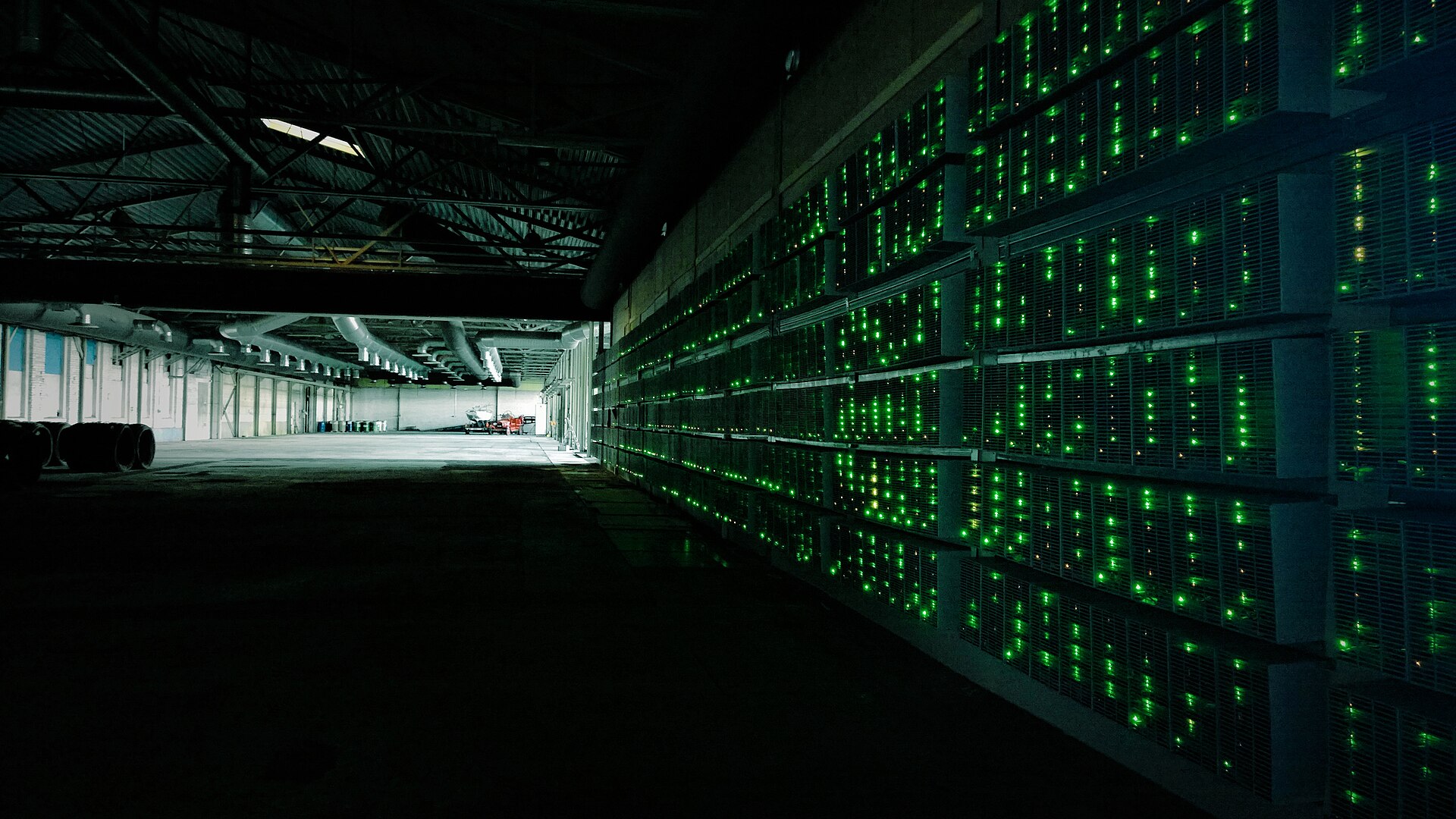
Bitcoin's network continued to operate throughout the decline. Miners produced blocks, transactions settled, and no central administrator appeared to rewrite the supply schedule. The protocol did not suddenly stop working because the market price fell.
The damage appeared elsewhere. Investors had come to believe that spot ETFs would turn Bitcoin into a standard Wall Street allocation, while corporate treasuries would create a steady layer of demand. Both changes were real. Neither created a one-way market.
An ETF makes Bitcoin easier to buy. It also makes Bitcoin easier to sell. A treasury strategy looks powerful while financing is abundant, but dollar dividends and interest can eventually turn a holder into a source of supply. Institutionalisation brought new capital into Bitcoin; it also brought new exit routes and new balance-sheet constraints.
That distinction matters. A functioning network supports the case that Bitcoin can endure. It does not tell us where next month's price will settle. Liquidity, leverage, interest rates and fund flows still decide how the asset clears in the market.
Bitcoin Is Closer To A Decentralised Asset Than Everyday Money
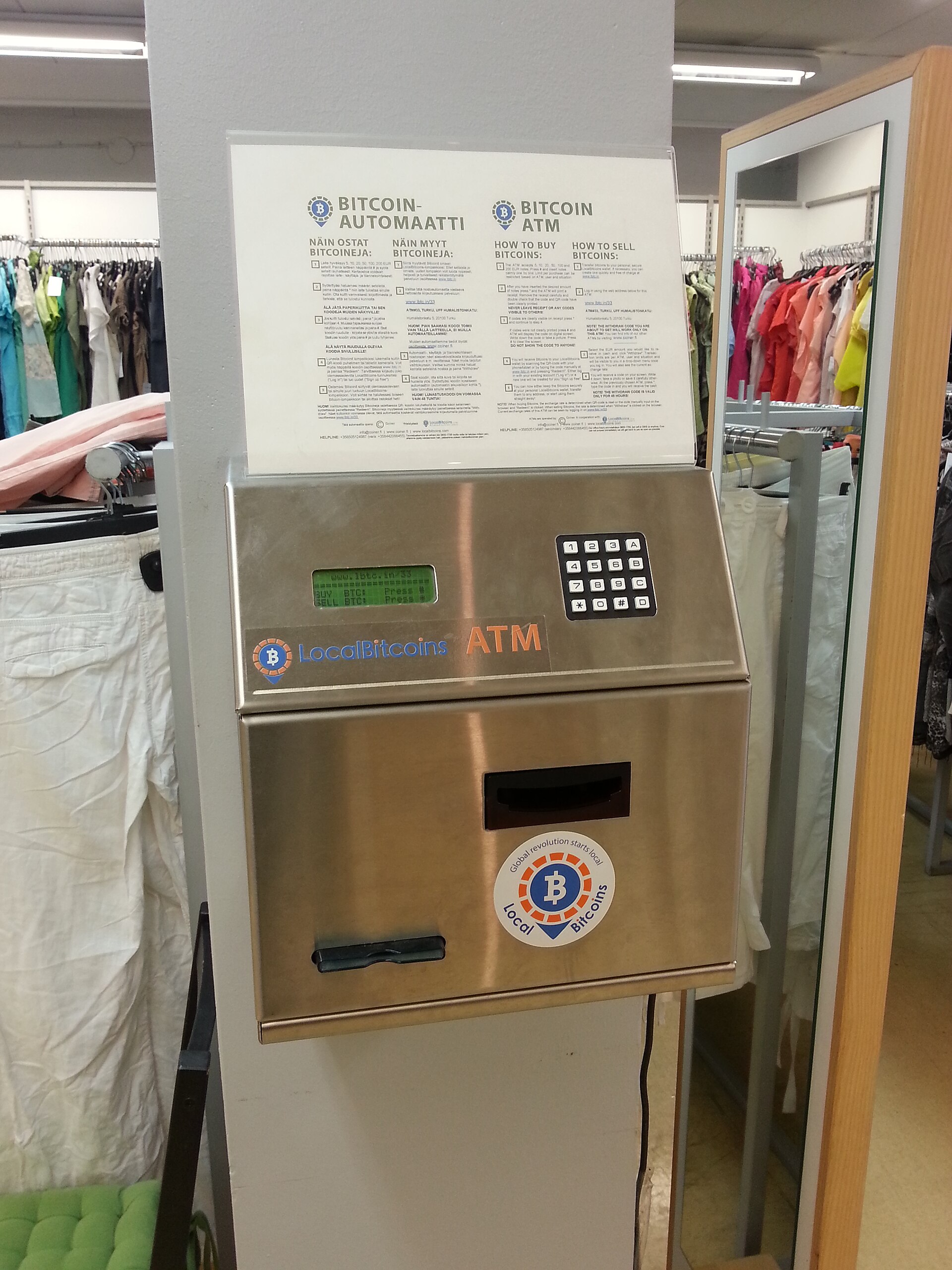
There are good reasons to call Bitcoin money. It can move across borders, it can be held without a bank account, and no central bank can alter its issuance schedule at will. Those properties remain unusual and valuable.
Yet Bitcoin does not function like ordinary money for most people in 2026. Salaries, rents and shop prices are rarely denominated in it. An asset that can move several percentage points in a day is a difficult unit for household budgeting.
A more accurate description is that Bitcoin is a decentralised digital asset and a high-volatility risk asset at the same time. Calling it speculative is not the same as calling it worthless. It means the asset has no corporate earnings or contractual coupon to anchor its value. Buyers' willingness to pay matters enormously.
Bitcoin also differs from gold. Gold has centuries of use as a reserve asset and store of wealth. Bitcoin is trying to establish a similar role in a far shorter period. Its potential is substantial, but its safe-haven reputation is still tested whenever markets are under stress.
Once that is clear, the recovery test becomes simpler. A persuasive narrative is not enough. Actual buy orders must exceed the supply coming to market.
Condition One: The Market Needs Fewer Compelled Sellers
Bear markets deepen when investors must sell even if they dislike the price. Leveraged positions are liquidated, miners need operating cash, funds face redemptions, and treasury companies owe dividends or interest in dollars.
Strategy's sale illustrates this mechanism. It did not amount to a rejection of Bitcoin. The company's SEC filing says the proceeds funded preferred distributions and replenished its dollar reserve. The constraint was not ideology. It was the currency in which bills had to be paid.

A planned sale can still weigh on the market. If Bitcoin falls further, the terms on which treasury companies issue shares or preferred stock may worsen. Dollar financing becomes more expensive, and a strategy designed to accumulate Bitcoin can begin to generate additional supply.
The first useful signal is therefore not a bullish interview. It is a decline in miner selling, liquidations and exchange-bound transfers from large holders. Before a durable rise, the market usually needs relief from sellers who have no choice.
Condition Two: ETFs Must Become A Buying Channel Again
Spot ETFs changed Bitcoin's market structure. Investors no longer need to manage private keys or a crypto-exchange account to gain price exposure. Advisers and institutions can use a familiar security inside conventional portfolios.
But an ETF is not a machine that buys forever. Subscriptions lead to underlying demand; redemptions work in the opposite direction. ETFs are two-way pipes, not permanent institutional bids.


The 2026 downturn exposed that two-way mechanism. Citi cut its 12-month Bitcoin forecast from $112,000 to $82,000 and changed its assumption for the next 12 months of ETF flows from $10 billion of inflows to zero. The exact forecast is less important than the reason for the revision: institutional demand could no longer be treated as automatic.
A few positive sessions will not settle the issue. Flows need to persist through both rallies and volatile days. Repeated allocations from advisers and institutions, sustained over several weeks, would offer better evidence that the buyer base is broadening.
Condition Three: Bitcoin Must Withstand Rate Pressure
Bitcoin sits outside the central-bank system, but its price does not sit outside monetary policy. It pays no interest or dividend, so the opportunity cost of holding it rises when cash and government bonds offer better returns. A stronger dollar and more expensive leverage also reduce the pool of capital available for risk assets.
The Federal Reserve held its target range at 3.50%-3.75% in June 2026. Its statement described economic activity as solid but inflation as still above target, partly because of supply shocks including energy. Later inflation data eased some concern about another increase. Even so, a fresh inflation shock could put rate hikes back into the discussion.

A recovery does not require immediate rate cuts. What matters is whether Bitcoin stops making new lows while rates remain high, and whether its reaction to hawkish statements or dollar strength becomes less severe. A market that absorbs bad news is often showing that the most urgent selling has passed.
The opposite scenario remains difficult. If inflation reaccelerates and the Fed tightens further, real rates and the dollar could rise together. In that environment, Bitcoin's behaviour as a liquidity-sensitive risk asset may overwhelm its “digital gold” narrative.
Condition Four: Buyers Must Step Up At Higher Prices
The final condition is the simplest and the hardest. A market can bounce from a low merely because selling dries up. A lasting trend requires new demand at $65,000, $70,000 and beyond.
This is what “marginal buyer” means. The phrase sounds technical, but the question is ordinary: who is willing to buy the next unit at today's price? Existing holders can refuse to sell, but that alone does not lift the market. Someone must accept a higher offer.
Potential buyers exist: institutions making small strategic allocations, households using spot ETFs, companies adopting Bitcoin as a reserve asset, and investors seeking an alternative to unstable currencies. Their existence on a slide deck is not enough. Their orders must reach the market.
That is why volume and the quality of demand matter. A rally driven mostly by leveraged futures or a handful of large accounts can be fast and fragile. Broader spot trading, persistent ETF inflows and higher lows after pullbacks would provide stronger evidence that demand has improved.
A Rebound Is Possible, But It Has Not Been Proven
Bitcoin still has credible strengths. Issuance is limited, the network continues to operate, and regulated investment access is broader than it was in previous cycles. A drawdown of this size can also attract long-term buyers.
The constraints are just as real. Strategy has demonstrated that a major holder can sell, ETF demand is no longer one-directional, rates remain restrictive, and Bitcoin offers no contractual cash flow beneath its price.
It is therefore more useful to watch the order of events than a single price target. Forced selling should ease first. ETF flows should then remain positive. The price should make higher lows despite monetary-policy pressure, and finally volume should follow at higher levels. Any one condition can produce a sharp rally; several need to improve together for an uptrend to last.
Conclusion: Scarcity Cannot Sustain A Rally On Its Own
Bitcoin can rebound. The 2026 decline is not proof that the network has failed. It is evidence that institutional access and a fixed supply do not guarantee a rising market.
The checklist is straightforward: fewer compelled sellers, durable ETF inflows, resilience under high rates, and new demand at higher prices.
One sentence carries the argument. Bitcoin's supply is set by code, but its price is paid by people. The 21 million cap is a powerful starting point. Without buyers willing to pay more for that scarcity, however, a rebound will struggle to endure.