For Busy Reader
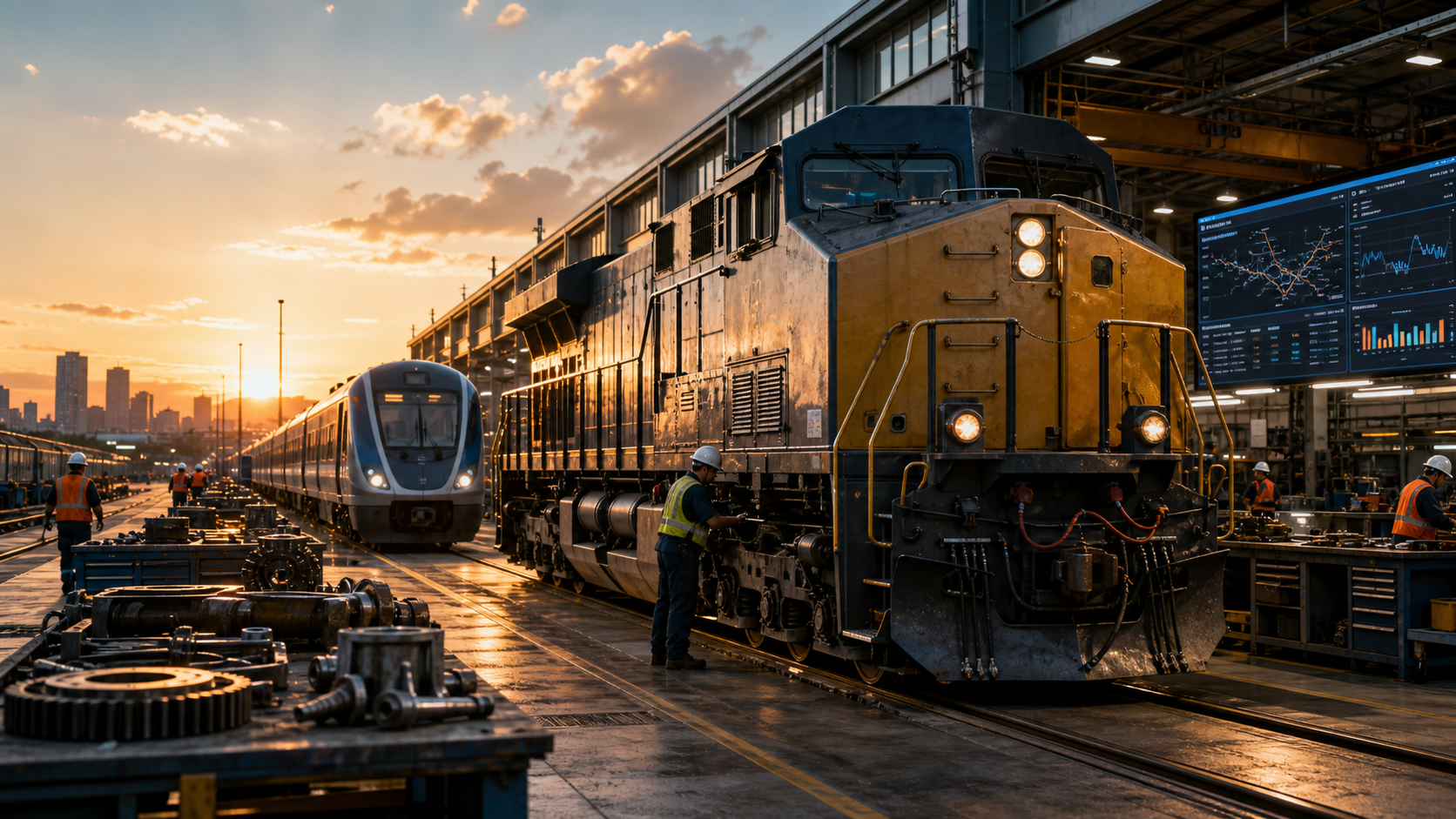
Wabtec first looks like a rail equipment company. That is true, but it is too thin. The company sells locomotives, engines, brakes, control systems, doors, HVAC systems, couplers, and rail software. More importantly, those products sit inside assets that can run for decades. Once the equipment is in the field, customers still need parts, repair, overhauls, modernization, and digital tools. Wabtec earns money several times across that lifecycle, not only at the first sale.
That is the main reason the business is better than a simple machinery cycle. New locomotive orders can move with customer budgets and freight cycles. Essential maintenance is harder to defer. Wabtec says it has an installed base of roughly 24,600 locomotives, and about 60% of 2025 revenue came from aftermarket activity. In plain English, aftermarket means the parts, service, repair, and upgrade revenue that follows the original sale.
The caveat is valuation. Q1 2026 sales rose 13.0%, adjusted EPS rose 18.9%, and backlog reached $30.8 billion. Those are strong numbers. Yet acquisitions and foreign exchange helped growth, while operating cash flow did not convert as cleanly as net income. At the May 22, 2026 U.S. close, WAB traded at $256.41, or roughly a $44 billion market value. The market is not treating Wabtec like an ordinary industrial supplier. It is already paying for the installed-base story.
Where the money comes from
The cleanest way to read Wabtec is to follow the life of a rail vehicle. At the beginning, Wabtec can sell the locomotive, engine, propulsion system, brake system, electronics, signaling, or train control equipment. In passenger rail, it can supply doors, brakes, HVAC, pantographs, couplers, and passenger information systems. That is the equipment sale.
The second stage matters more. Rail is a safety-heavy industry. A brake system or control component cannot be switched simply because a cheaper part appears. It has to fit the existing vehicle, pass the relevant approval process, work in actual operations, and fit the customer's maintenance system. That makes the original supplier more likely to remain involved after the sale.
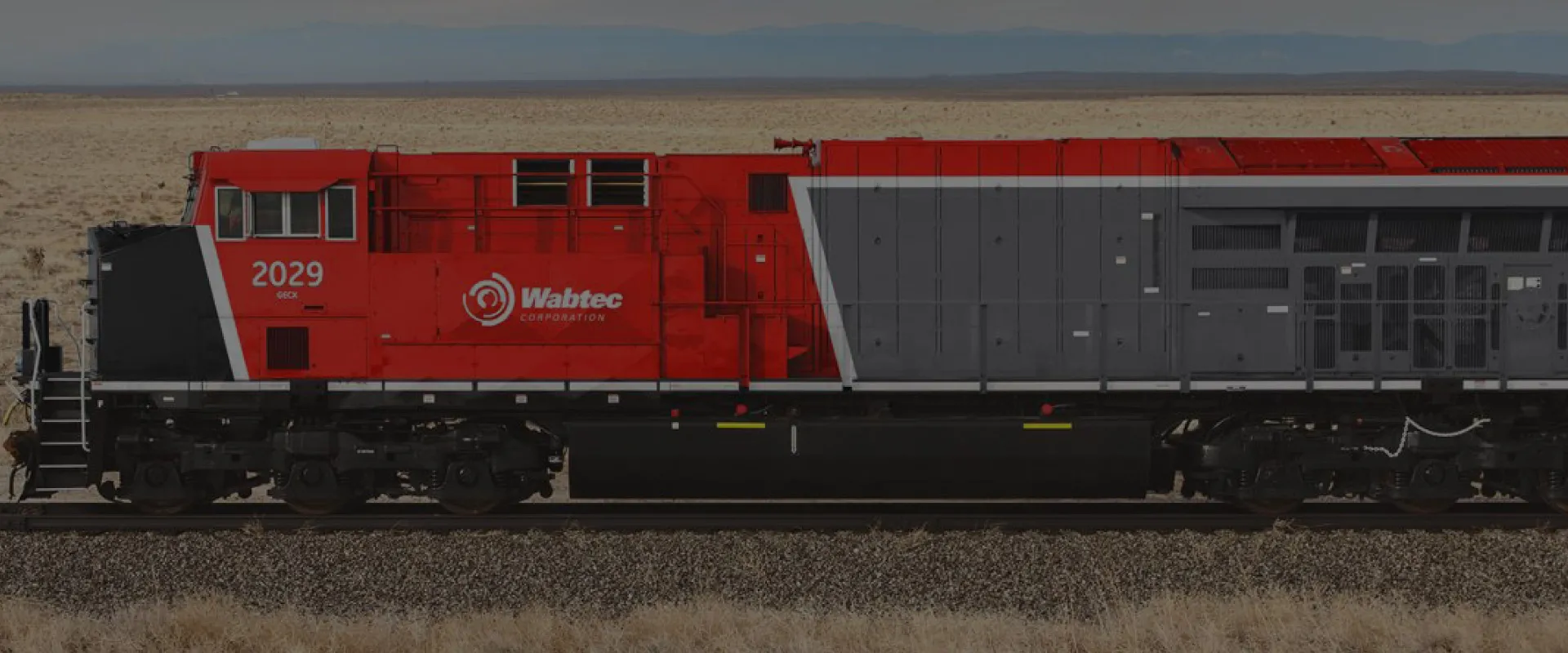
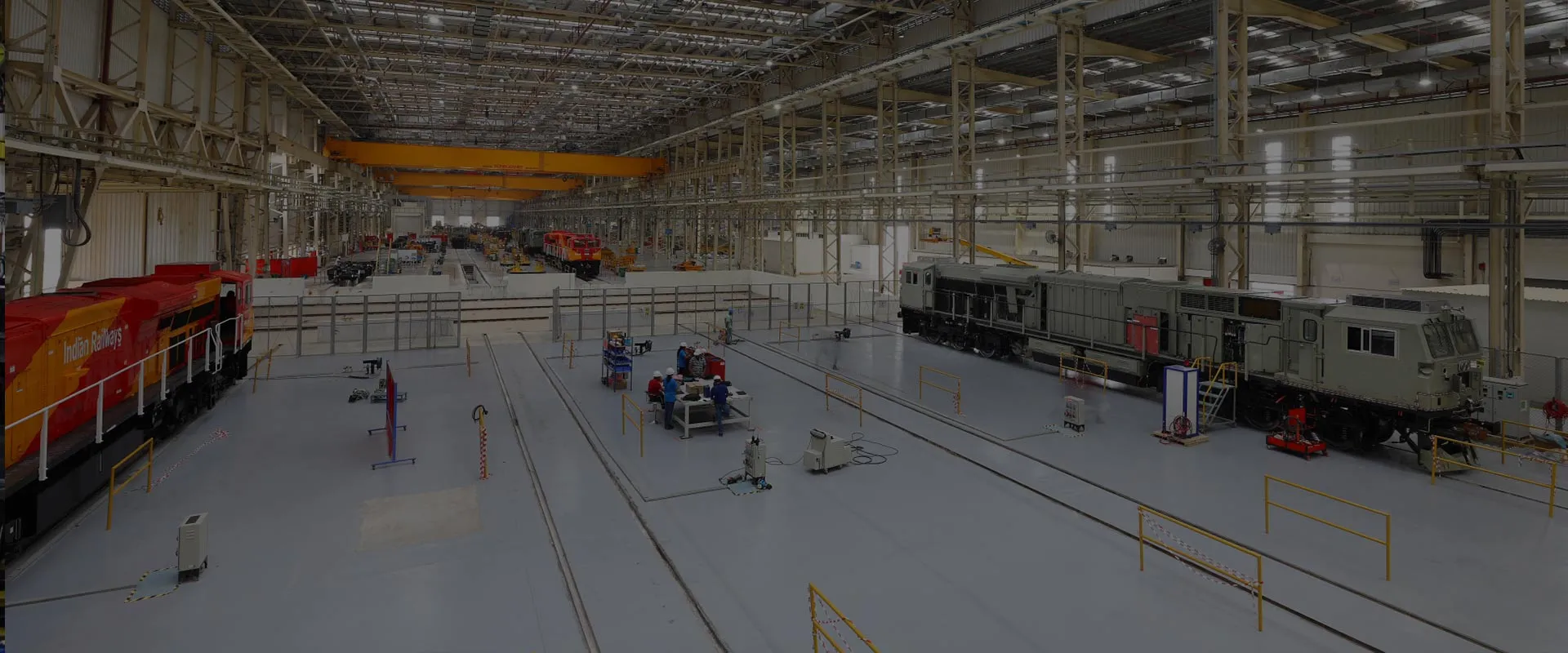

In 2025, Freight accounted for about 72% of revenue and Transit for about 28%. That mix tells us where the center of gravity sits. Freight includes locomotives, services, modernization, and digital rail tools. Transit is tied more closely to metro, light rail, high-speed rail, public budgets, tenders, and project timing. It can still be a good business, but its rhythm is different.
The real asset comes after the sale
Wabtec's most important asset is not only what it owns in its factories. It is what customers already operate. The company cited an installed base of roughly 24,600 locomotives in its 2025 Form 10-K. That is not just a historical sales figure. It is a future demand base for parts, repairs, engine work, modernization, and software upgrades.
The roughly 60% aftermarket mix points in the same direction. A railroad can delay a new locomotive order. It cannot delay essential maintenance forever. If a rail asset stops, freight schedules or passenger service suffer. If a safety-critical component fails, the cost can be much larger than the price of the part. That is why rail customers tend to prefer proven suppliers and known service systems.
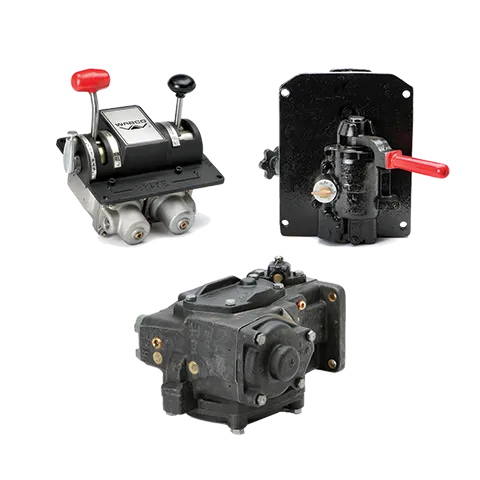

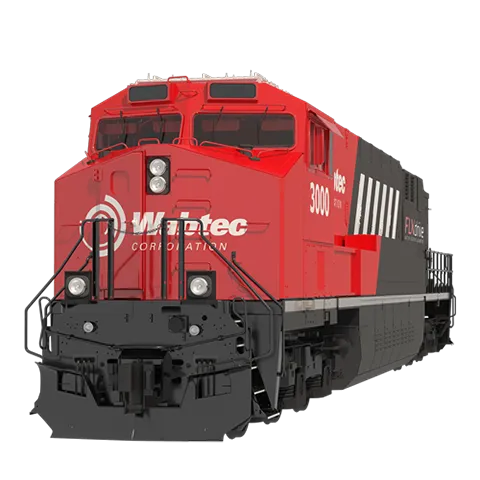
The moat is therefore not just product complexity. It is that Wabtec sits in a place where switching is inconvenient, slow, and risky. Even a brake component has to be matched to the vehicle, approved for operation, stocked for maintenance, and understood by technicians. A lower purchase price does not automatically offset those frictions.
Freight has the thicker moat
Wabtec is not a monopoly. Progress Rail, owned by Caterpillar, competes in locomotives. Knorr-Bremse, New York Air Brake, Amsted Rail, and others are strong in braking, components, and rail systems. In some markets, large rolling-stock manufacturers such as CRRC also matter. Calling Wabtec the owner of the entire rail stack would be too generous.
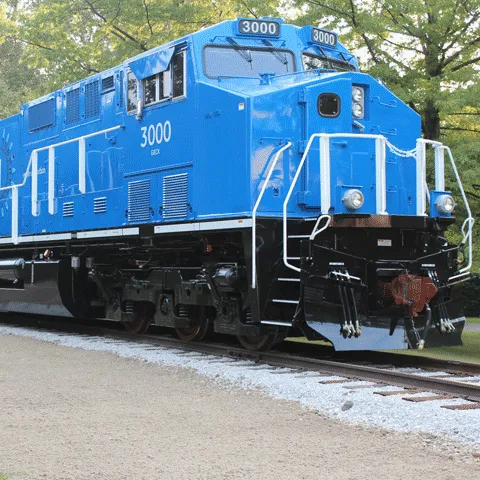
Still, the Freight moat looks real. Locomotives, parts, service, modernization, and digital tools reinforce one another. A customer may first meet Wabtec through a locomotive. The relationship can continue through parts, repairs, engine overhauls, modernization programs, and software. The more touchpoints Wabtec has, the harder it becomes for the customer to treat every purchase as a clean open bid.
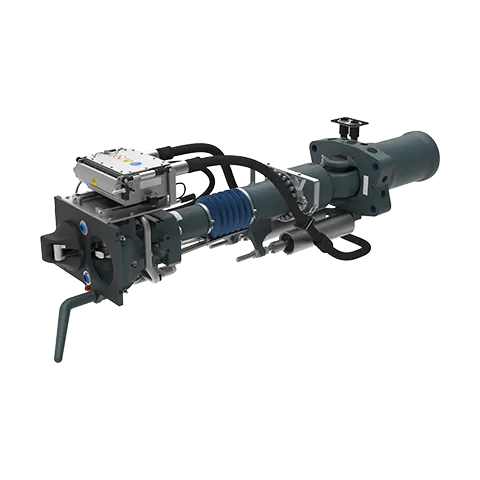
Transit should be judged separately. Doors, brakes, HVAC, couplers, and passenger information systems are critical parts of passenger rail. But many customers are public agencies, and projects can be shaped by budgets, local procurement rules, politics, and delivery schedules. Transit is a useful business, but the moat is usually thinner and more project-sensitive than Freight.
Digital works best when attached to equipment
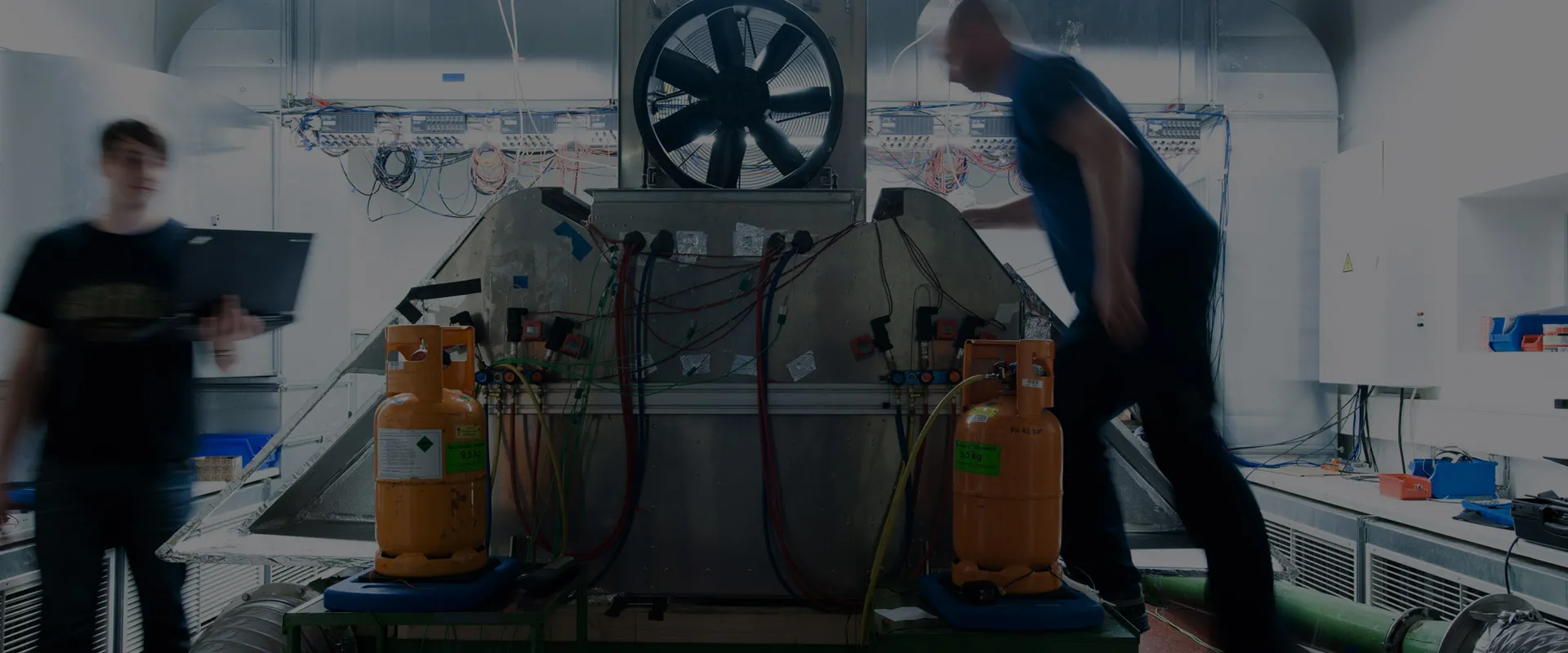
Digital Intelligence should not be read like a standalone software company. Wabtec's digital products are more valuable when they are connected to rail assets and operating data. Train control, signaling, energy management, remote monitoring, asset performance, and network optimization are all meant to make real trains run more safely and efficiently.
Railroad customers want to save fuel, reduce failures, plan maintenance better, and move more freight or passengers with fewer disruptions. Wabtec has an advantage because it already understands the locomotive, the component, and the control system. Digital is not a separate magic layer. It is a way to make the installed base more useful, and more sticky.

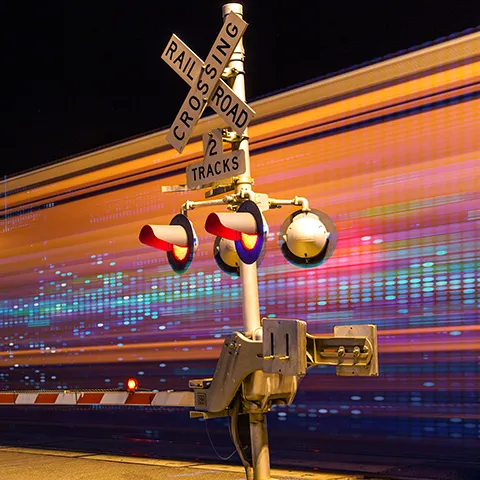
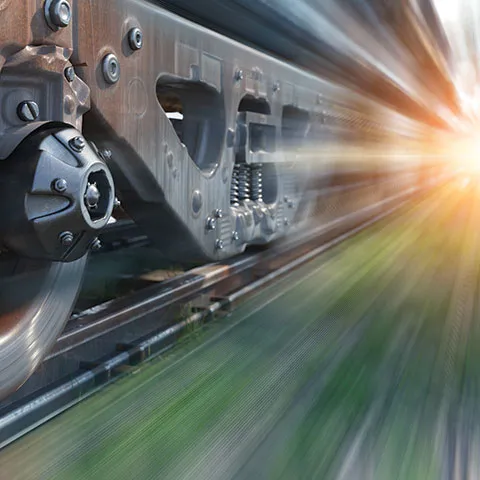
Recent acquisitions fit that logic. Inspection Technologies adds non-destructive testing and remote visual inspection. Frauscher adds rail sensors and axle-counting capabilities. Dellner Couplers strengthens safety-critical passenger rail connection systems. These are not random diversions. They expand Wabtec's contact points inside the rail operating environment.
What Q1 2026 proved, and what it did not
Q1 2026 sales were $2.95 billion, up 13.0% from $2.61 billion a year earlier. That is a strong headline. The composition is more nuanced. Acquisitions added $225 million, foreign exchange added $68 million, and organic growth added $60 million. The core business grew, but acquisitions and FX did a meaningful part of the work.
Profitability held up reasonably well. Gross margin improved, and adjusted operating margin reached 21.9%. GAAP operating margin was 17.5%, lower than a year earlier, because acquisition costs, purchase accounting, restructuring, and the exit of a low-margin digital project weighed on reported numbers. This was a good quarter, but not a perfectly clean one.
Freight remained the center of the company, with Q1 sales of $2.115 billion. Locomotive deliveries and mining demand helped, but Services revenue declined because of modernization delivery timing. That deserves attention. If installed base and aftermarket are the main quality argument, Freight Services needs to recover.
Transit had the cleaner quarter. Sales were $835 million, helped by Dellner Couplers, original-equipment and aftermarket demand, and favorable currency. Still, Transit is project-driven. A strong quarter does not automatically prove a new structural trend.
Cash flow still has to catch up
The balance sheet is not fragile, but it is not light. At March 31, 2026, Wabtec had $531 million of cash and restricted cash, and $6.538 billion of total debt. Goodwill was $10.625 billion, and other intangible assets were $4.239 billion. That is what an acquisition-built industrial company looks like on paper.
Cash flow was less impressive than earnings. Operating cash flow was $199 million, only slightly above the prior year. Net income was $363 million, so cash conversion was not especially strong. The main drag was receivables and unbilled receivables. After $46 million of capex, simple free cash flow was about $153 million.
The dividend looks manageable. Q1 dividends were $53 million. The buyback is the more debatable piece. Wabtec repurchased $242 million of stock in the quarter, so buybacks plus dividends exceeded simple free cash flow. Buybacks can be a useful capital-allocation tool when valuation is attractive. At a richer multiple, they need more discipline.
Inventory does not yet look like a demand warning. Total inventory rose from $2.745 billion to $2.850 billion, and most of the increase came from raw materials. Work in process was flat, while finished goods barely changed. That looks more like production preparation or supply-chain management than unsold finished product piling up. Still, inventory ties up cash. The next few quarters need to show that working capital can release.
M&A fits the strategy, but it has a bill
Wabtec is the product of deals. Faiveley Transport in 2017 and the GE Transportation merger in 2019 reshaped the company. The GE Transportation combination was especially important because it tied locomotives, services, and digital rail capabilities together. CEO Rafael Santana came from GE Transportation, which makes that integration history relevant.
The recent acquisitions are also close to the core. Inspection Technologies adds inspection and safety tools. Frauscher adds sensors and signaling. Dellner Couplers adds passenger rail coupling systems. Strategically, that makes sense: Wabtec is adding products and data touchpoints inside the rail operating environment.
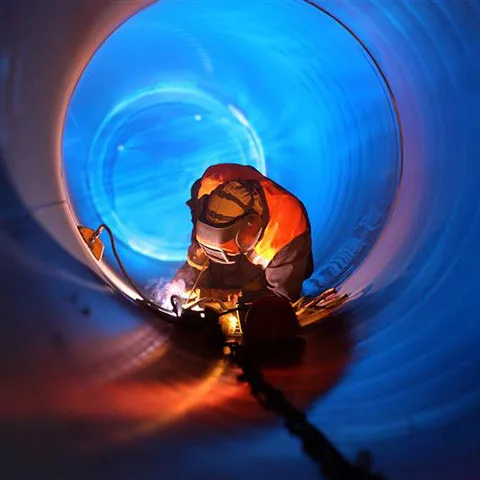
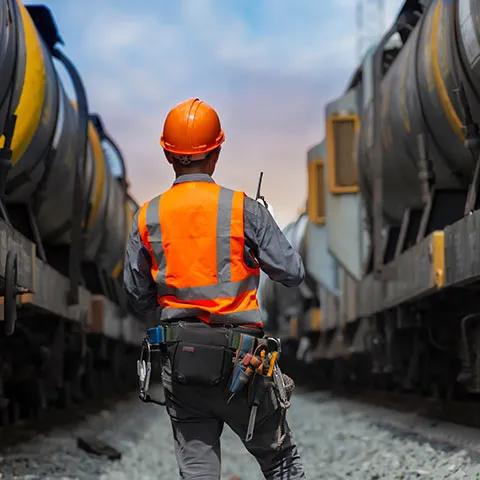
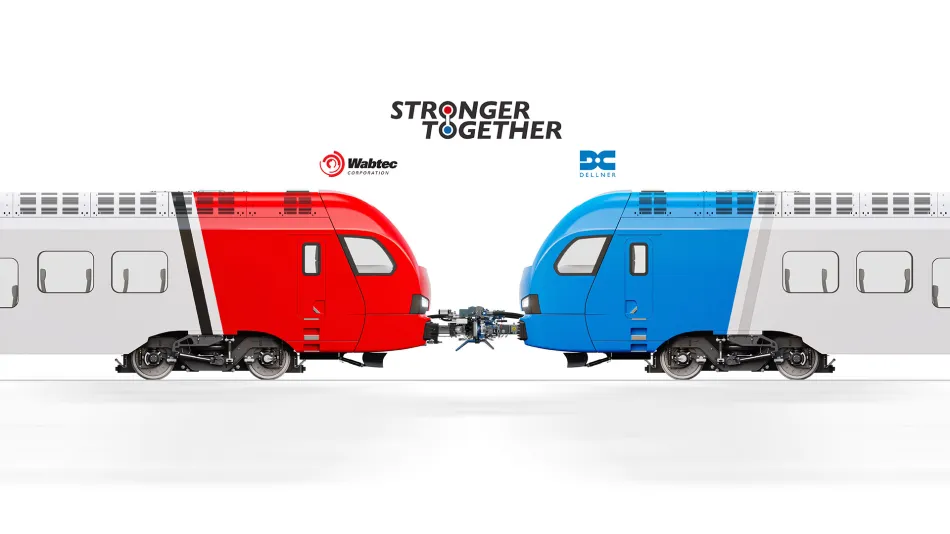
The bill is also real. Q1 acquisition-related cash outflow was $1.062 billion. Goodwill and intangible assets are large. If acquired businesses perform well, that is simply the accounting footprint of a stronger company. If they disappoint, the same numbers can become a source of future write-down risk. The next test is not whether Wabtec can buy more assets. It is whether those assets become margin and cash flow.
What the current price asks for
At the May 22, 2026 U.S. close, WAB traded at $256.41. Management's 2026 adjusted EPS guidance is $10.25 to $10.65. Using the midpoint, the stock trades in the mid-20s on adjusted EPS. That is not a distressed industrial multiple. It prices Wabtec as a high-quality rail technology compounder.
That valuation can be defended if the installed base keeps producing aftermarket revenue, if Freight Services recovers, if acquisitions improve the portfolio, and if working capital converts into cash. But the room for sloppy execution is smaller. If organic growth slows or cash flow lags earnings for too long, the market may stop paying for the story and ask for the receipt.
The key numbers to track are simple. Organic growth shows whether the core business is growing without M&A help. Freight Services shows whether the installed base is actually turning into repeat revenue. Operating cash flow conversion shows whether accounting earnings become cash. Net debt relative to EBITDA shows whether the acquisition strategy remains financially comfortable.
Conclusion
Wabtec is a strong company. The Freight installed base, aftermarket mix, certification friction, and service network are real advantages. The moat does not come from an old rail name alone. It comes from equipment that sits inside customer operations for a long time and keeps calling for parts, service, modernization, and digital tools.
Not every segment deserves the same confidence. Freight looks stronger than Transit. Digital Intelligence is best understood as an extension of equipment and service, not a pure software premium. M&A has strengthened the portfolio, but it has also added debt, goodwill, intangible assets, and integration risk.
The WAB question is therefore straightforward: can the installed base keep producing durable, high-margin repeat revenue for long enough to justify the current valuation? If the answer stays yes, Wabtec can remain a high-quality industrial technology company. If backlog fails to convert into good-margin revenue and cash, or if acquisitions do not earn their cost, today's premium becomes a heavier load.
Sources
- Wabtec Q1 2026 results press release
- Wabtec Q1 2026 Form 10-Q
- Wabtec 2025 Form 10-K
- Wabtec locomotive business
- Wabtec freight services
- Wabtec transit business
- Wabtec Digital Intelligence
- Wabtec completes GE Transportation merger
- Wabtec finalizes Inspection Technologies acquisition
- Wabtec finalizes Dellner Couplers acquisition
- Benzinga WAB quote