For Busy Readers
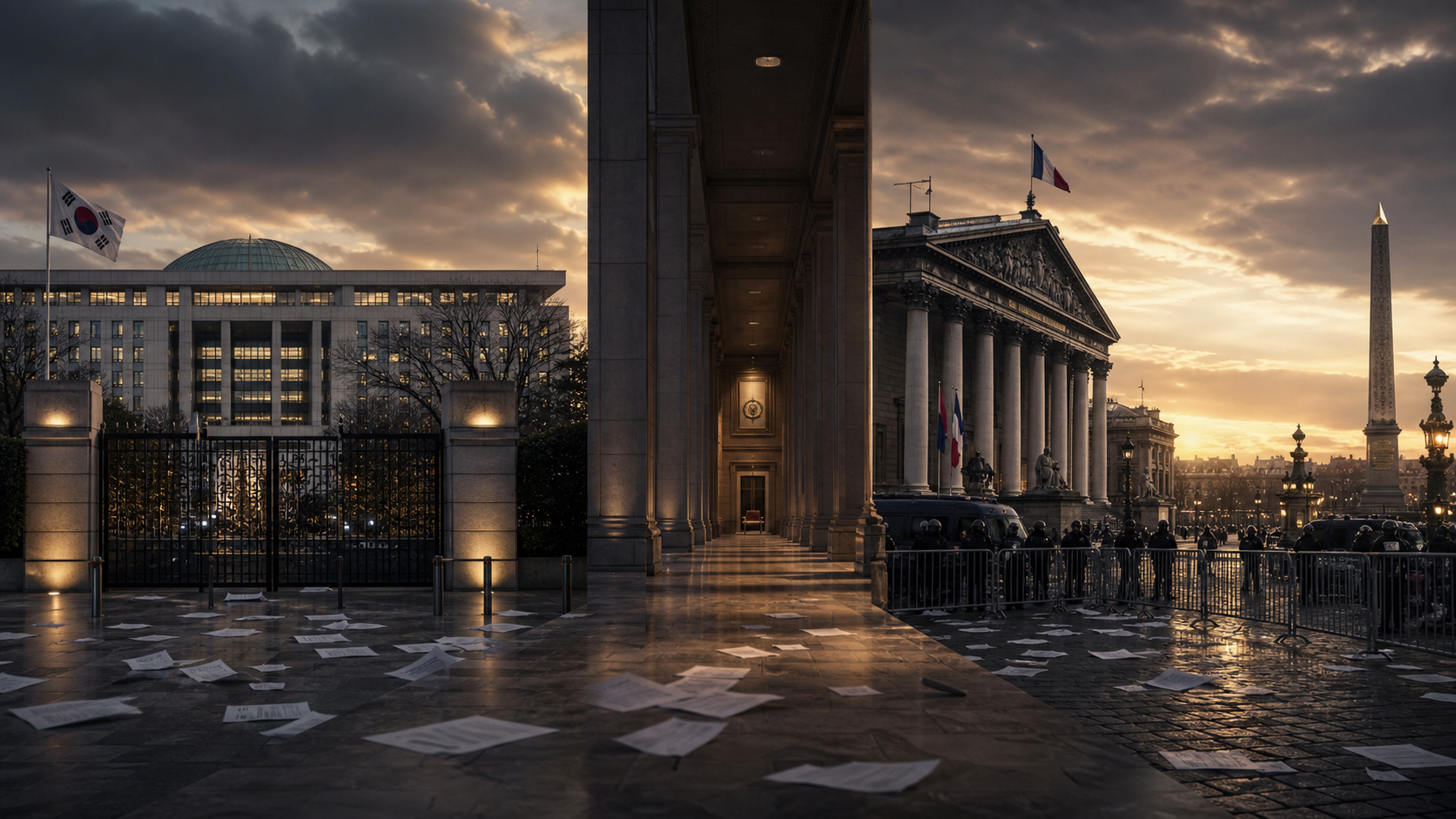
South Korean politics has passed through a compressed constitutional crisis: the emergency martial law declaration in late 2024, parliamentary impeachment, the Constitutional Court’s removal of the president in April 2025, and the early presidential election that followed. The institutions did not stop. The National Assembly acted, the Constitutional Court ruled, and voters went back to the polls.
But that is only half the story. An institution can function without society fully trusting it. That gap is where today’s political anxiety lives.
That is why the French Third Republic is a useful comparison. It was born after the collapse of the Second Empire in 1870 and ended in 1940 with Germany’s invasion and the rise of Vichy. It had short-lived governments, intense left-right conflict, and street violence around parliament, especially in February 1934. It also built public education, professional administration, and industrial capacity. Politically, however, confrontation kept growing harsher.
So is South Korea walking the path of France’s Third Republic?
It resembles it in some ways, but it is not the same country, not the same regime, and not the same risk.
The Third Republic’s illness was closer to parliamentary excess and cabinet instability. South Korea’s illness is closer to presidential overconcentration and camp politics. Both are forms of division, but they buy different risks.
This is not a collapse forecast. South Korea is not “France in 1940.” A better way to put it is this: South Korea is not standing on the same cliff, but it is standing near a similar warning sign. Warning signs are useful only when people read them before the road disappears.
Victorious France Was Not A Calm France
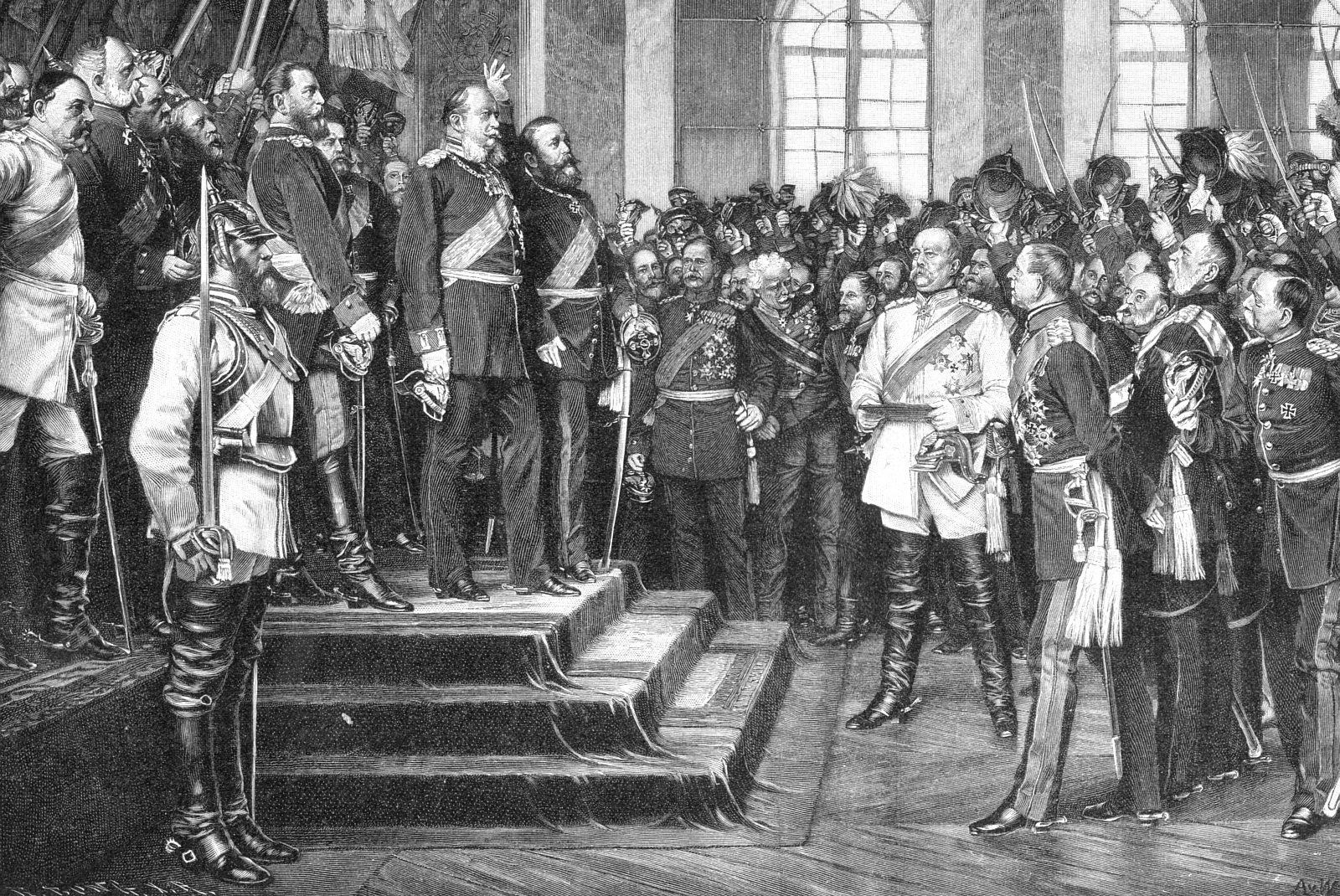
The French Third Republic was born from humiliation more than triumph. In 1870, Napoleon III’s Second Empire was defeated by Prussia. France lost Alsace-Lorraine. Worse still, the German Empire was proclaimed in the Hall of Mirrors at Versailles in 1871.
For France, this was not just a diplomatic insult. It was a national wound.
France later defeated Germany in World War I and recovered Alsace-Lorraine. On the surface, revenge had been completed. But victory in war does not heal a society by itself. An external enemy can be beaten while internal suspicion remains very much alive.
The Third Republic contained many Frances at once: republicans, monarchists, Bonapartists, radicals, socialists, Catholic conservatives, and anti-clerical republicans. Britannica describes the regime as a series of short-lived governments, but also notes its social stability, industrialization, and professional civil service. That contradiction matters.
A country can keep running while trust erodes. Budgets can be passed, schools can operate, industries can grow, and ministries can function. Then a crisis comes, and the country discovers that its formal machinery is faster than its political trust.
South Korea has a similar paradox. It is a major economy with semiconductors, shipbuilding, defense, batteries, and cultural exports. Its state capacity is not weak. Yet elections end without ending argument; verdicts arrive without ending interpretation. The country’s economic scale has grown, while its political language has narrowed.
February 6, 1934 Did Not Come From Nowhere
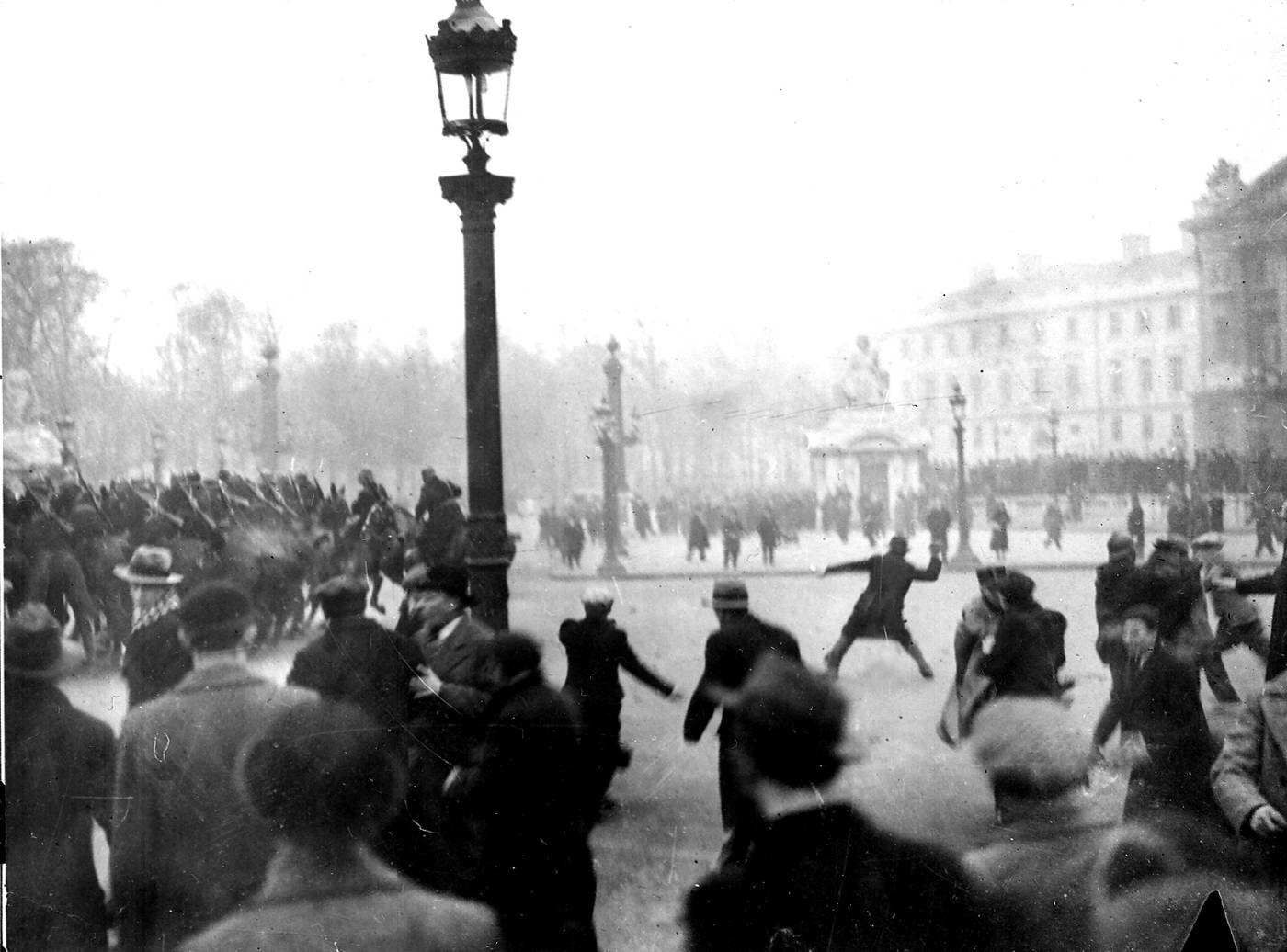
The Third Republic’s anxiety is hard to understand without February 6, 1934. In Paris, right-wing leagues and demonstrators clashed with police near the Chamber of Deputies. The immediate backdrop was the Stavisky Affair. Alexandre Stavisky had built a financial fraud around municipal bonds, and as the scandal widened, suspicions spread that people around the government and judiciary had protected him. In a country already cynical about parliamentary politics, the affair gave the far right a sharper slogan: the republic was corrupt. The riot of February 6 left 15 dead and 1,435 wounded.
Political explosions rarely begin with one event. The event becomes a permission slip. Beneath it sit distrust, economic anxiety, resentment, and contempt for procedure. “Parliament is rotten,” “the republic cannot protect the nation,” and “we need a strong hand” are phrases that gain force in such moments.
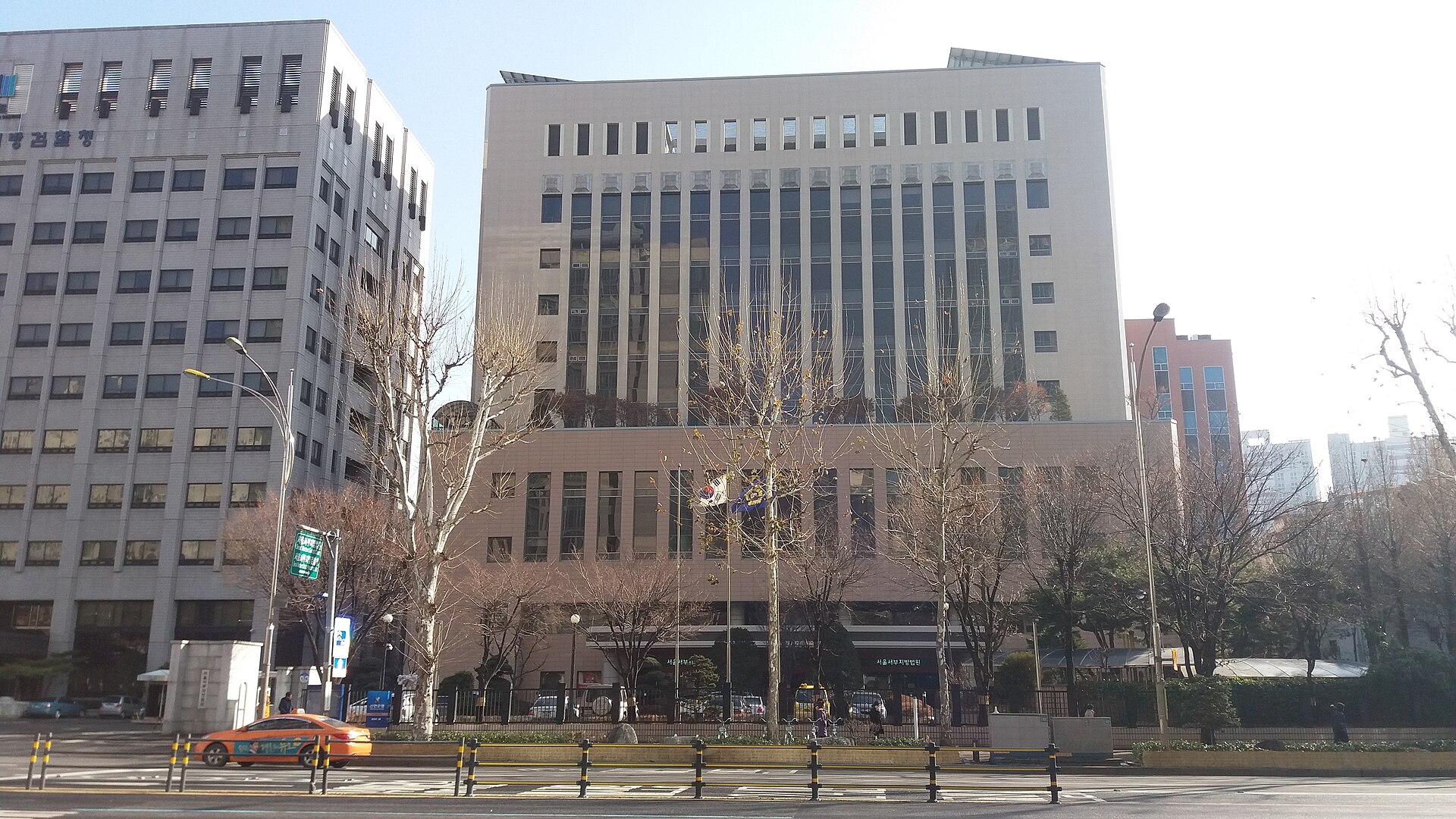
South Korea’s January 2025 incursion into the Seoul Western District Court should not be treated as the same event. The scale, context, and consequences were different. But the resemblance is real enough to notice. Political rage entered the physical space of the judiciary. KBS reported that prosecutors indicted 63 people in connection with the incident.
Protest is normal in a democracy. Street politics can be legitimate. But courts and parliaments are not simply buildings. They are the places where conflict is supposed to be processed without becoming physical force. When those places are treated as targets, the risk is no longer ordinary partisan anger.
The Institutions Worked. Trust Did Not Automatically Return.
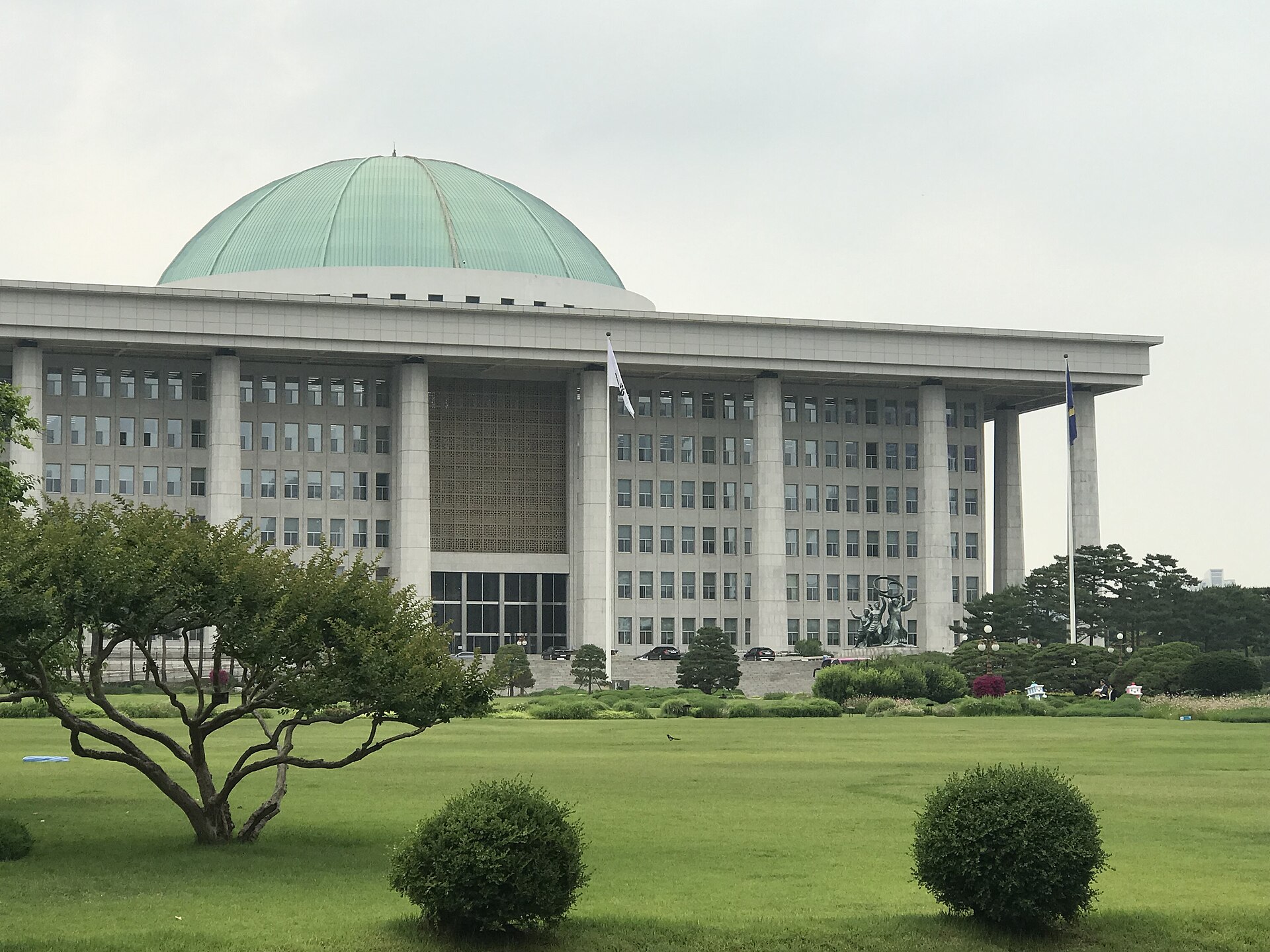
During the martial law crisis of December 2024, South Korea’s institutions reacted quickly. AP reported that all 190 lawmakers who participated voted to demand the lifting of martial law, and the decree was lifted within hours. Impeachment, constitutional adjudication, and an early presidential election followed. On April 4, 2025, the Constitutional Court removed President Yoon Suk Yeol from office in case 2024Hun-Na8.
That matters. South Korea passed through a dangerous night, but its institutions did not freeze.
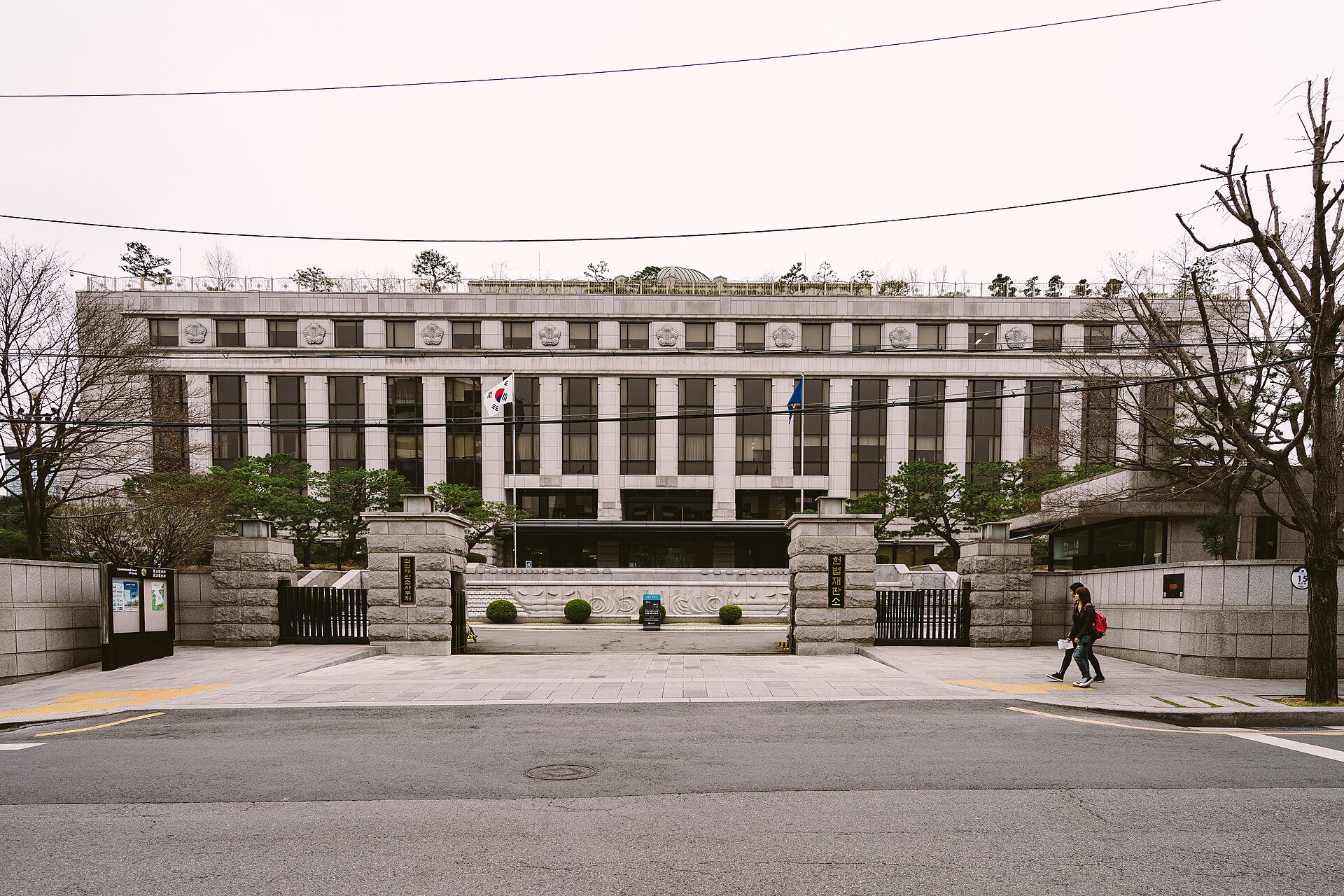
Still, institutional performance is not the same as social acceptance. One side may see the court’s decision as a restoration of constitutional order. Another may see it as a political judgment. One side may see the early election as democratic repair. Another may see only a victory by the opposing camp.
The same outcome can be filtered through incompatible stories. That is the core of South Korea’s present problem. It does not lack institutions. The question is whether losers can wait for the next election and whether winners can resist using every tool now available to them.
The Shadow Of Divided Government
In Hearts of Iron IV, France in 1936 begins with a national spirit called Disjointed Government. It reduces political power and stability, leaving the country slower before a larger crisis. It is a game mechanic, not a history textbook. Still, the meme works because it catches something real: when internal conflict deepens, a state can become slower without fully collapsing. That is why it sits uncomfortably close to Korean politics today.
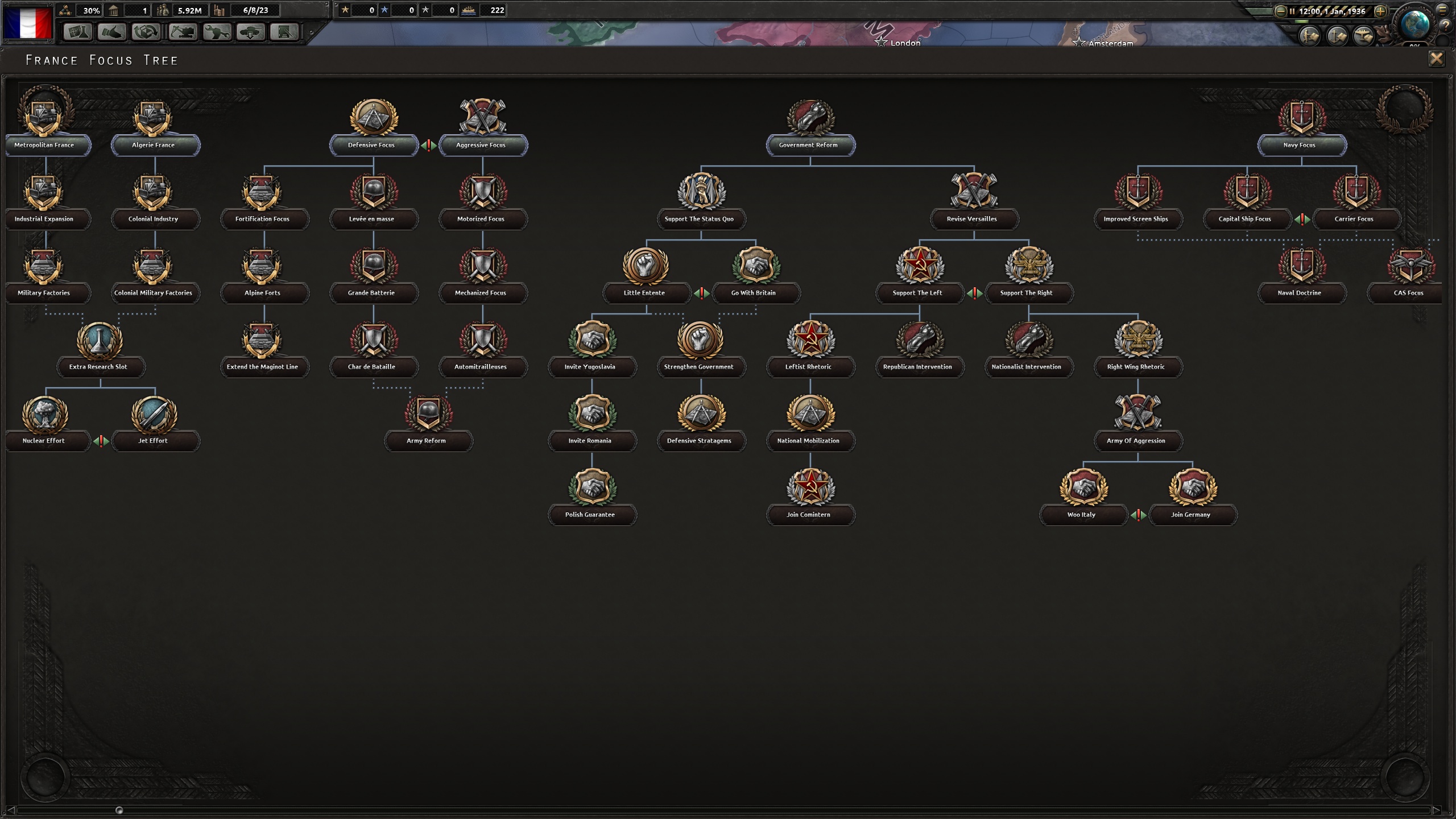
“Divided government” sounds dry, almost academic. In practice, it can be a dangerous condition.
The problem is not that government and opposition disagree. Democracy is built for disagreement. A parliament is not supposed to be a choir. The problem begins when the other side stops being a negotiating partner and becomes something to be removed.
When each camp believes the country will collapse if the other side governs, politics turns into a survival game. Investigations against our camp become persecution; investigations against their camp become justice. Court rulings for us are constitutional order; rulings against us are political manipulation. Procedure becomes something each side translates for itself.
The Third Republic accumulated that fatigue. Cabinets fell frequently, parliamentary confidence was brittle, and street pressure fed institutional suspicion. Yet the country did not stop. That is exactly why the danger is easy to miss. A state can operate while its trust is quietly being spent.
South Korea’s 2024 legislative election created a large structural collision between president and parliament. The Democratic Party held 161 seats in the 300-seat National Assembly, while the People Power Party held 90. Such disagreement is possible in a presidential system.
But when that collision moved into martial law, it ceased to be ordinary politics. It became a constitutional alarm.
When External Enemies Consume Domestic Politics
For the Third Republic, Germany was not just a neighbor. It was the memory of defeat, the loss of Alsace-Lorraine, the object of revenge, and the source of fear.
When an external threat looms large, domestic politics often moves under its shadow. Who is patriotic? Who is soft? Who is selling out the nation? These questions can turn policy disagreement into moral accusation.
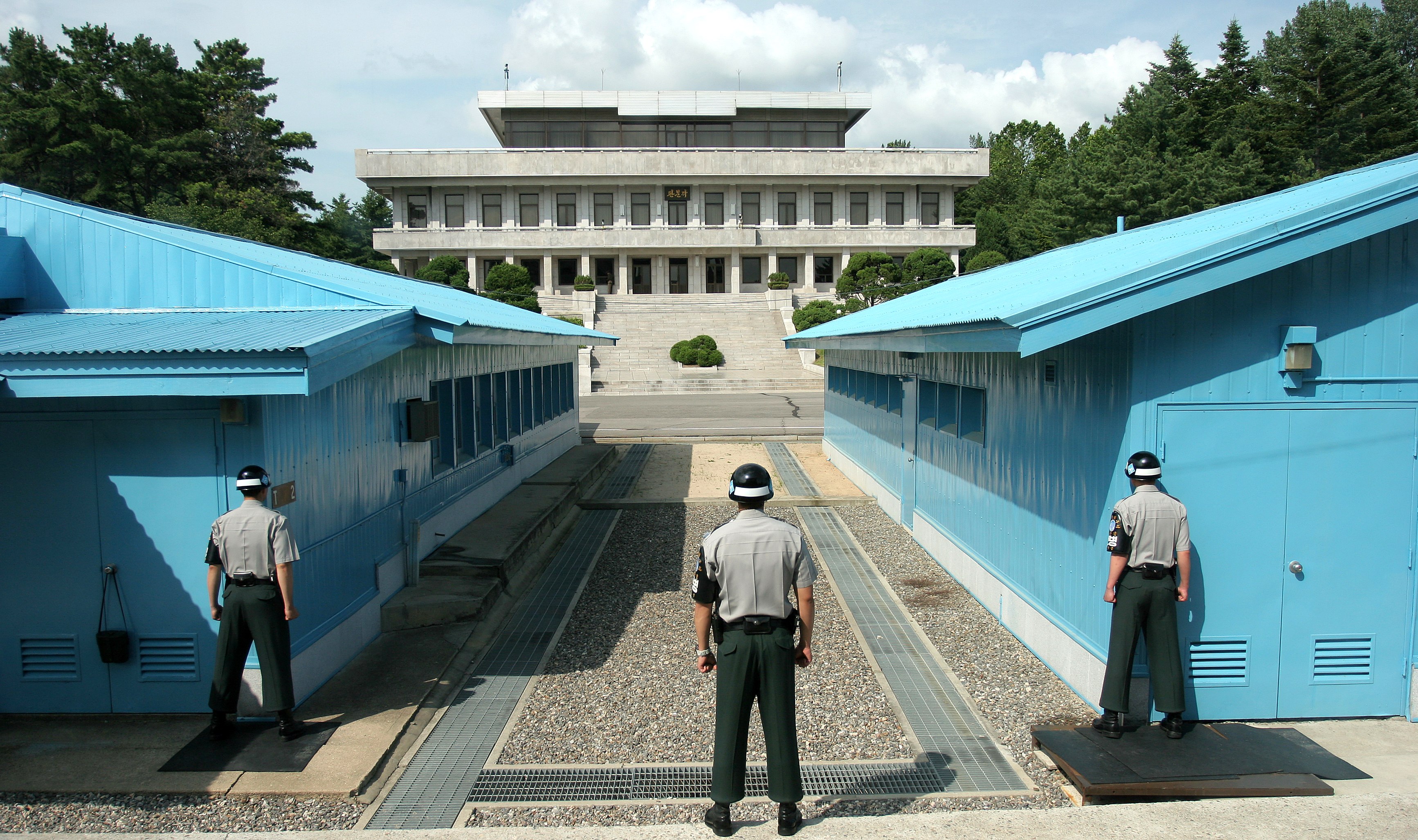
South Korea also lives in a geography that cannot be politically quiet. North Korea, China, Japan, and the U.S. alliance all shape the strategic landscape. Security is not a side issue. It is a constant.
But saying security matters is not the same as saying every opponent can be treated as anti-national. That distinction is essential. If it disappears, the state loses internal strength. At first, the tactic rallies supporters. Then compromise becomes impossible. Finally, when a real crisis arrives, society cannot easily unite.
The problem is not the existence of an external threat. The problem is domestic politics that borrows the external threat to turn half the country into an internal enemy.
Economic Stress Raises The Political Discount Rate
People are more tolerant when they feel the future is improving. Jobs, manageable housing costs, and rising incomes act as political shock absorbers.
When those buffers thin, politics becomes sharper.
France did not escape the Great Depression. Workers and farmers grew more anxious. Left and right alternated power and reversed each other’s policies. The left spoke of labor rights; the right spoke of order and fiscal discipline. Each side had part of the truth. The trouble begins when each side insists it has all of it.
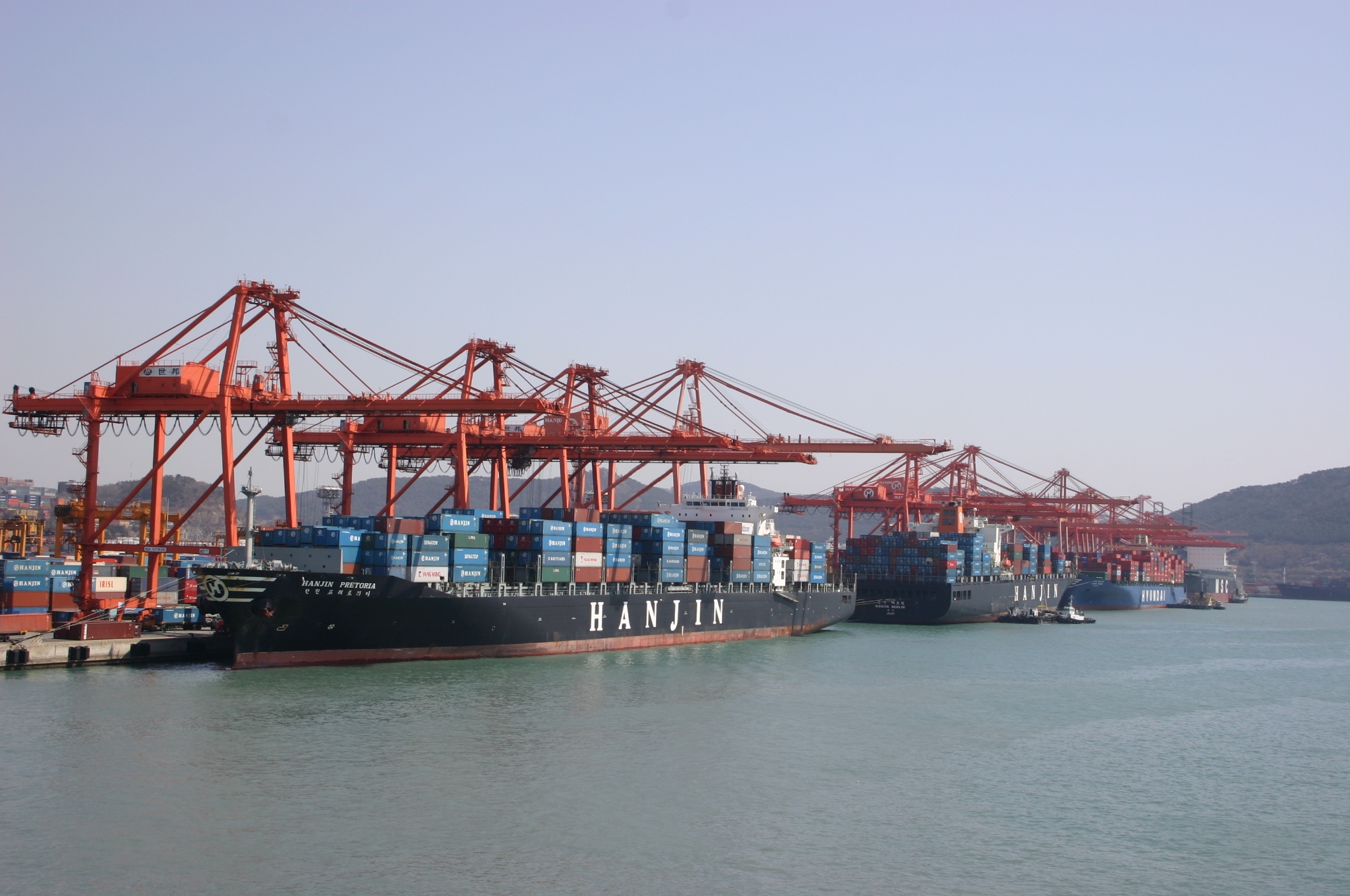
South Korea remains economically strong, but the lived economy is not comfortable. KDI’s May 2026 outlook projected Korean growth of around 2.5% in 2026, supported by semiconductor exports and domestic-demand recovery, and about 1.7% in 2027. That is not collapse. But slow growth, aging, household debt, and regional decline create a long political burden.
In such periods, politics should become more careful. It often becomes less so. Supporters harden; opponents are described as existential threats.
In market language, a company with shrinking cash-flow visibility and a board that fights every day gets a lower multiple. Countries are not stocks, but political trust also has a discount rate.
France Had Fragile Cabinets. Korea Has A Heavy Presidency.
The comparison has limits, and the limits matter.
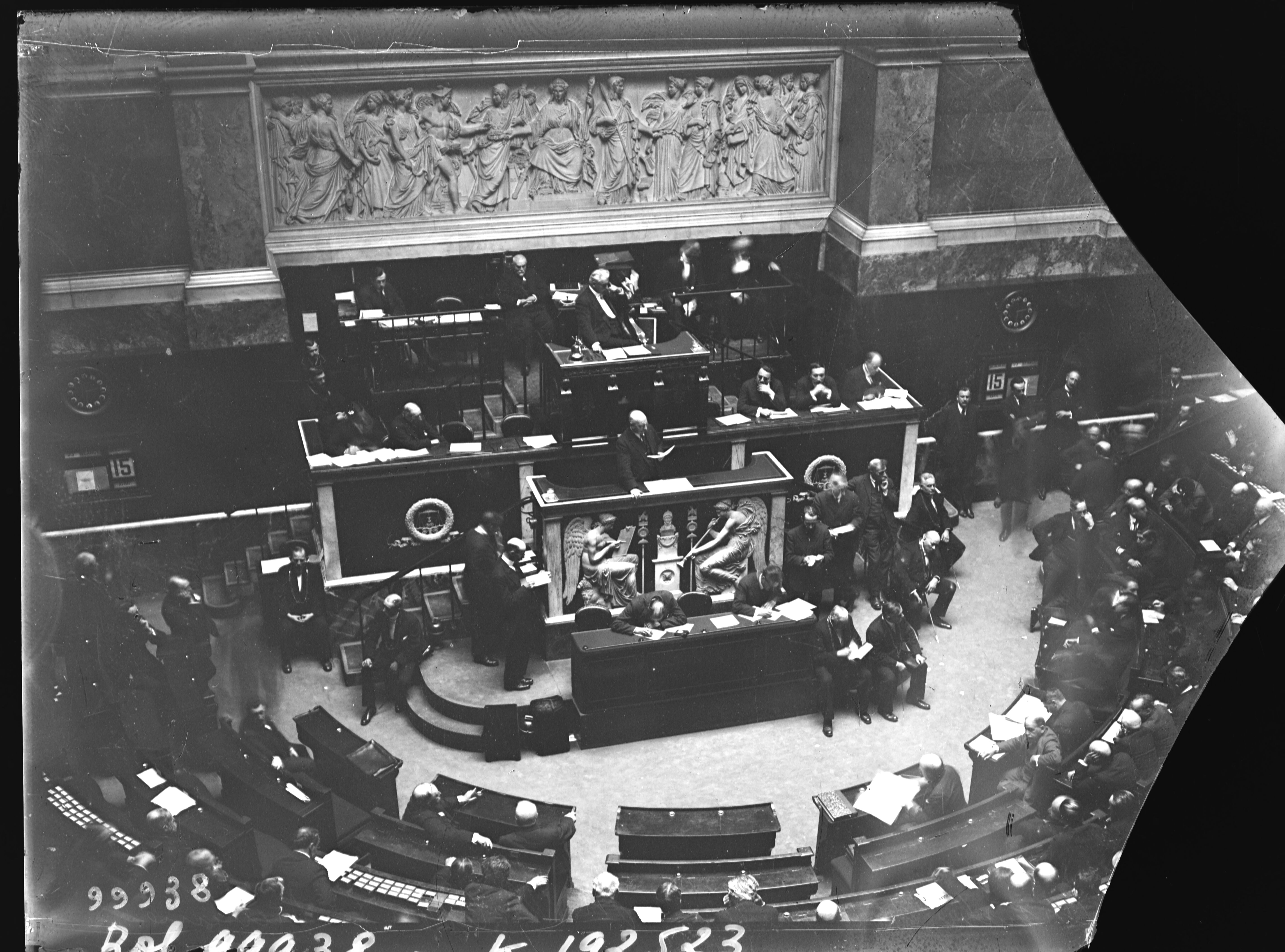
The Third Republic was parliamentary. Presidents existed, but cabinets and the legislature carried the political weight. Coalitions broke, governments fell, and prime ministers changed frequently. France’s problem was that governments could become too cheap to replace.
South Korea is different. It is a presidential system. Winning the presidency brings control over executive appointments, diplomacy, security, budget direction, industrial policy, and the relationship with powerful state agencies.
That makes a presidential election feel like a struggle over the entire operating system of the state. Winners feel they have won everything. Losers feel they have lost everything.
In that structure, losers struggle to wait and winners struggle to restrain themselves. France’s Third Republic suffered from cabinets that moved too easily. South Korea suffers from a presidency that carries too much expectation and too much fear.
France Fragmented. Korea Hardens Into Two Camps.
The Third Republic was fragmented. Republicans, monarchists, Bonapartists, radicals, socialists, Catholic conservatives, and anti-clerical forces all competed inside a crowded field.
South Korea is different. It has smaller parties and occasional third-force projects, but power competition usually narrows back into the Democratic and conservative blocs.
At first glance, that should make Korea more stable. Two big parties should make bargaining simpler. But large parties can become platforms for camp warfare rather than containers for compromise.
France struggled because politics was divided into too many pieces. Korea struggles because politics hardens into two large blocs. The result can look similar: compromise becomes betrayal, partial agreement becomes weakness, and moderation becomes suspect.
Politicians then behave rationally. They stop compromising. That may be individually rational. It is nationally expensive.
Election Administration Is A Last Safety Pin
Politics is procedure. Trusting procedure only when the result pleases you is not trust. It is convenience.
That is why election administration matters so much. People need to believe that the rules still work even when they hate the outcome.
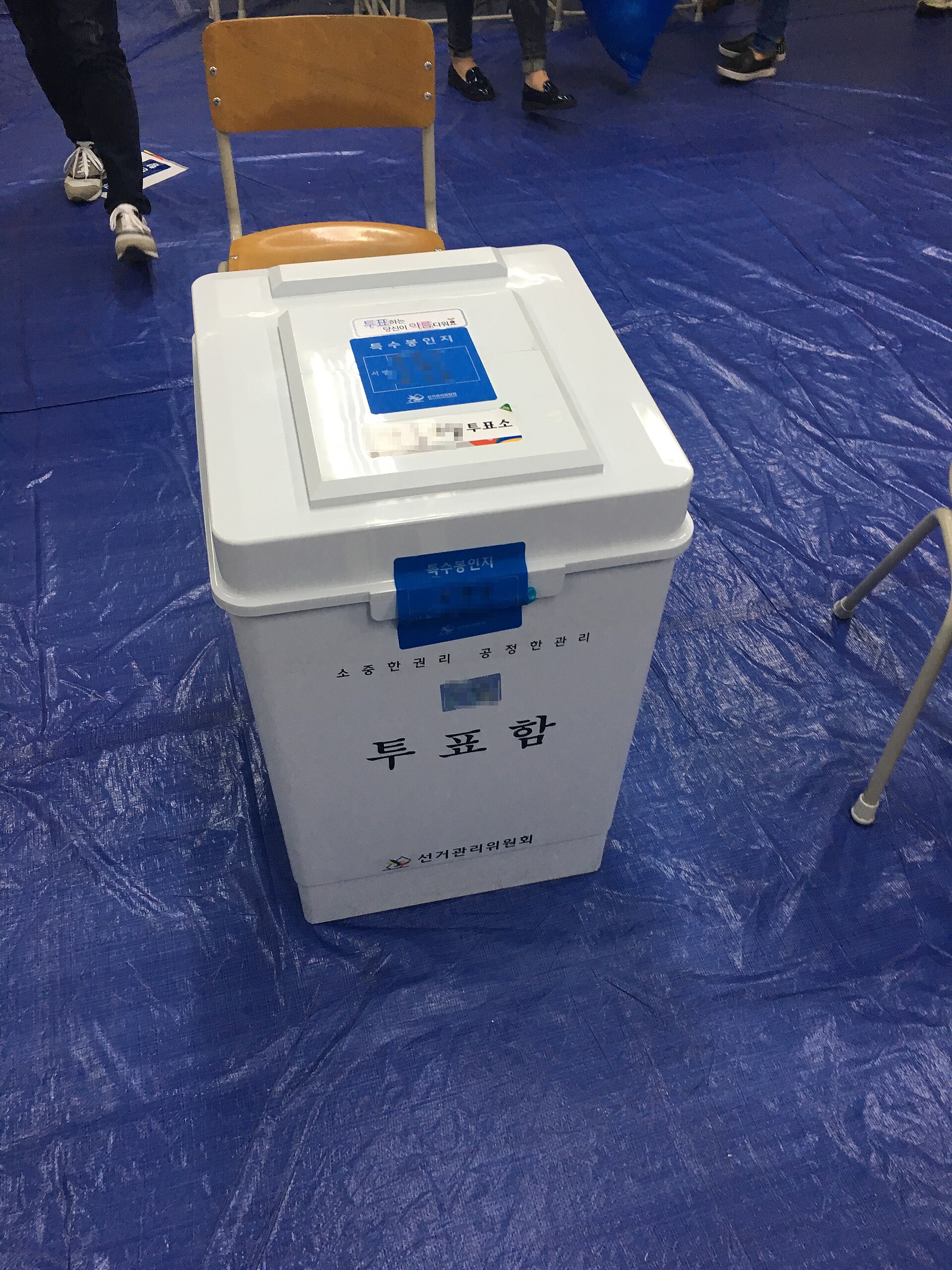
During the June 2026 local elections, ballot shortages occurred at some polling stations. Asia Business Daily reported that the National Election Commission said 67 polling stations faced shortages and that voting was temporarily suspended and later resumed at 22 of them.
This should not be exaggerated into proof of something larger. But it should not be dismissed either. In a society where distrust is already abundant, administrative mistakes become fuel for conspiracy.
Institutions do not operate only through statutes. They operate because people grant them enough legitimacy to do so. If trust in election management, courts, the Constitutional Court, parliament, media, and prosecutors all erodes at once, the state can still look normal while its internal risk premium rises.
A Similar Warning Sign, Not The Same Cliff
Will South Korea collapse like the French Third Republic? Probably not. But “probably not” is not the same as “there is no problem.”
The similarities are real: emotional left-right hostility, external threats feeding domestic politics, economic unease, street pressure against institutions, and moralized battles over corruption, courts, and media.
The differences are just as real. South Korea is a presidential system. It has democratic experience since 1987, including impeachments, peaceful transfers of power, constitutional adjudication, mass civic mobilization, and repeated elections. Its manufacturing and technology base is deeply tied to global supply chains.
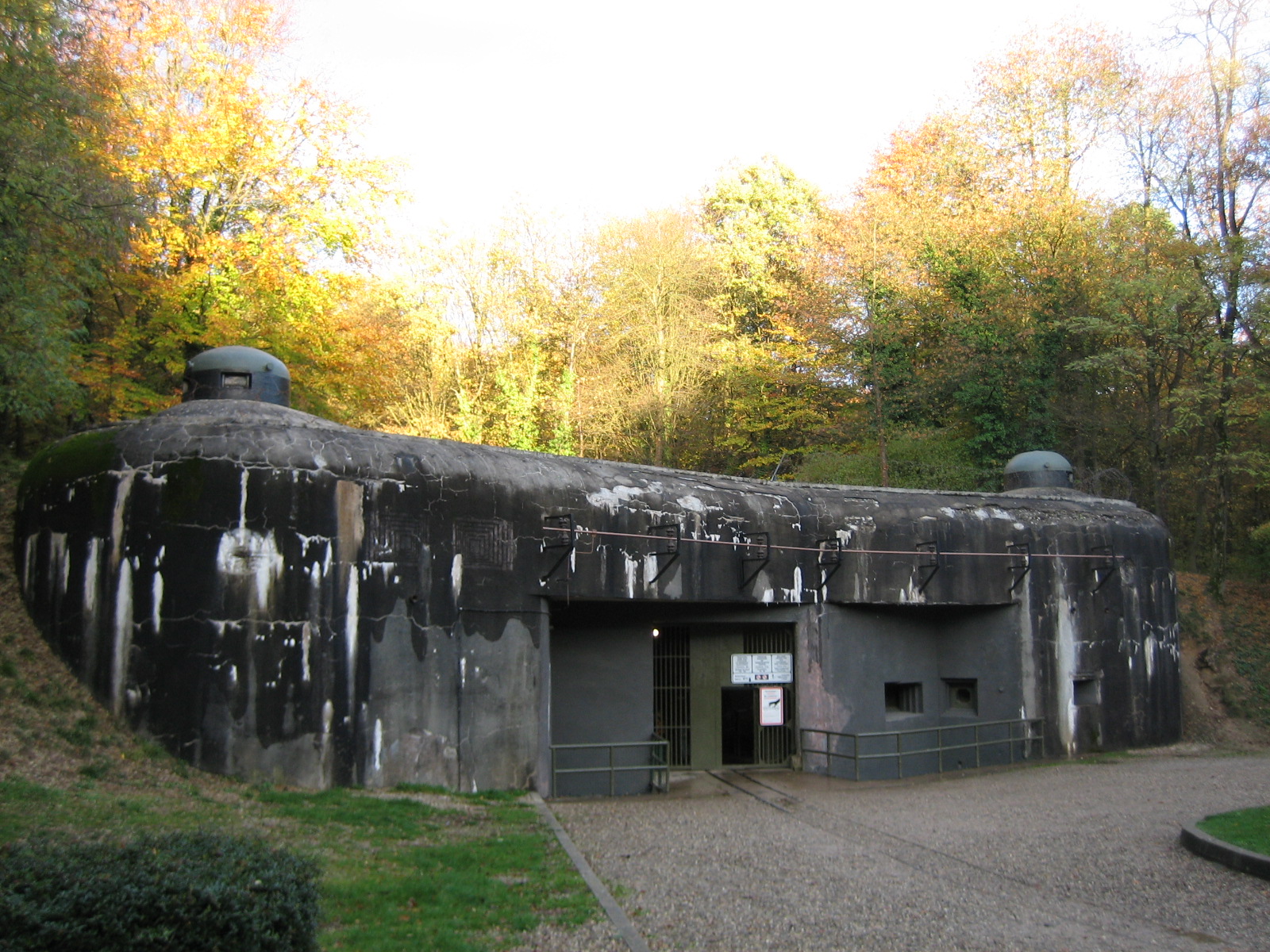
Its security environment is dangerous, but it is not the same as France in 1940. Britannica’s account of the Battle of France notes that Germany invaded France and the Low Countries on May 10, 1940, overran Belgium and the Netherlands, captured Paris, and forced France’s surrender in just over six weeks.
South Korea is not repeating that scene. Saying “collapse is coming” is too easy. Saying “the system already worked once, so everything is fine” is also too easy.
The reality is less dramatic and more demanding: South Korea endured one crisis. The question is whether it can build a political culture that does not spend so much institutional trust before the next one.


_Building_in_Seoul_Korea.jpg)
.jpg)


,_M._Violette_(i.e._Viollette)_%C3%A0_la_tribune_-_btv1b531449763.jpg)


Conclusion: Korea Should Learn From Interwar France, Not Repeat Its Fate
South Korea resembles the French Third Republic in enough ways to make the comparison useful: polarization, distrust in procedure, external-threat politics, economic anxiety, street pressure, and camp warfare over courts and media.
But it is also different. It is presidential, not parliamentary in the Third Republic’s sense. Its democratic experience is more recent but also more concentrated. Its institutions responded after the 2024 martial law crisis.
That matters. It should not be dismissed.
But it should not become an excuse for complacency. Institutions worked; trust did not automatically recover. An election was held; acceptance remains fragile. Judgments were delivered; the social basis for accepting them remains contested.
A republic is not maintained by ballot boxes alone. It survives when losers can wait for the next election, when winners do not use every ounce of power available to them, when the military, courts, and media do not become tools of a camp, and when people can accept procedures even when they dislike the result.
The French Third Republic lasted a long time. But lasting a long time is not the same as being healthy.
South Korea has already endured one severe test. The next task is less theatrical and more difficult: stop treating institutional trust as an unlimited resource.