Some future historian may look back on the early twenty-first century and write a sentence like this.
- An imagined historian of the twenty-first centuryHumanity entered its second industrial revolution. The difference was that this time it was not the hand that was mechanized but the mind.
What the next sentence will say has not yet been decided.
"And so humanity became more free" is one possibility. "And so humanity slipped into a more refined platform feudalism" is another. As history usually goes, the truth may sit somewhere between the two.
We are told often, these days, that AI is an event without precedent. The claim is not wrong. Machines now write, draw, code, summarize papers, review contracts, and tidy up meeting notes. While a human is still pouring a first cup of coffee, the machine has already produced three reports, five emails, and a draft of a blog post.
It is mildly annoying. It is also quite useful.
But the phrase "without precedent" can make thinking lazy. Was there really no comparable event in history? There was. The Industrial Revolution.
The Industrial Revolution was not just the moment when steam engines were invented and factories were built. It changed how human beings saw the world. Life before it was, for most people, a cycle. Plant in spring, harvest in autumn, survive the winter, repeat the next year. Few expected that the lives of children would look fundamentally different from the lives of their parents.
Then came industry.
From that point on, history began to look less like a circle and more like a line. Tomorrow could be better than today. Output could rise every year. Technology could push back against the limits of the body. Children could live more comfortably than their parents had.
This was not only an economic change. It was the moment when humanity began to believe in a future.
The AI revolution touches the same nerve.
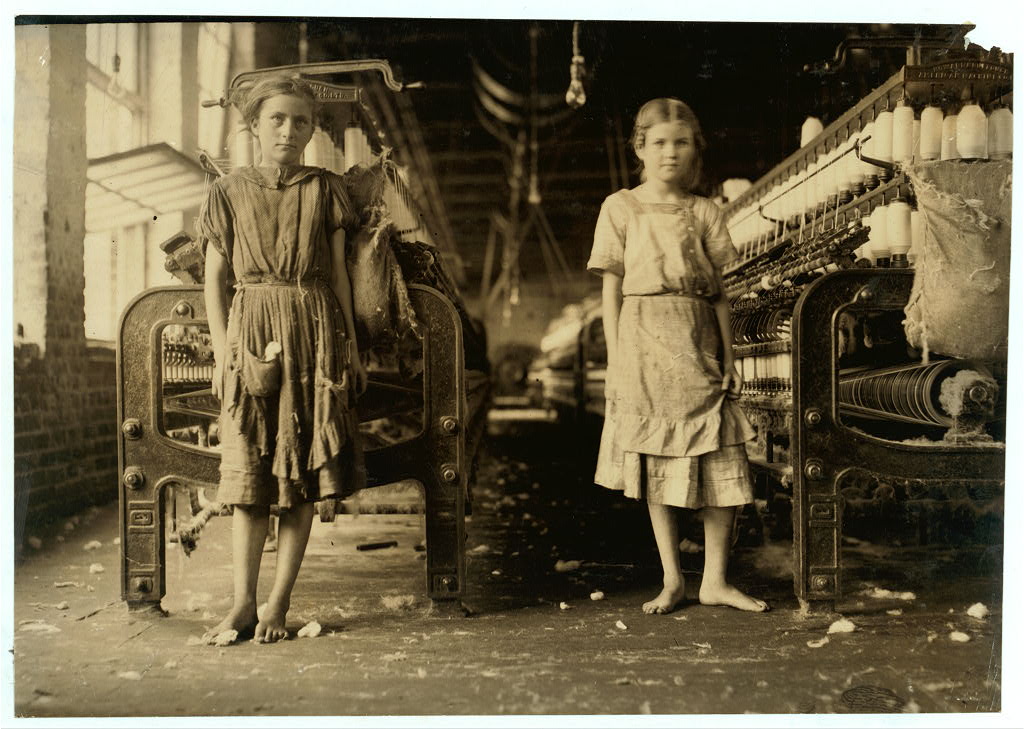
If the Industrial Revolution mechanized the muscle, the AI revolution mechanizes a portion of cognition. Once, machines wove cloth in place of people. Now they draft proposals in place of people. Once, the loom threatened the hands of craftsmen. Now language models threaten the sentences of white-collar workers.
This is not the arrival of a clever new tool. It is a shift in the mode of production.
| Question | Industrial Revolution | AI Revolution |
|---|---|---|
| What gets mechanized? | Muscle, hand skill, repetitive production | Writing, judgment support, parts of knowledge work |
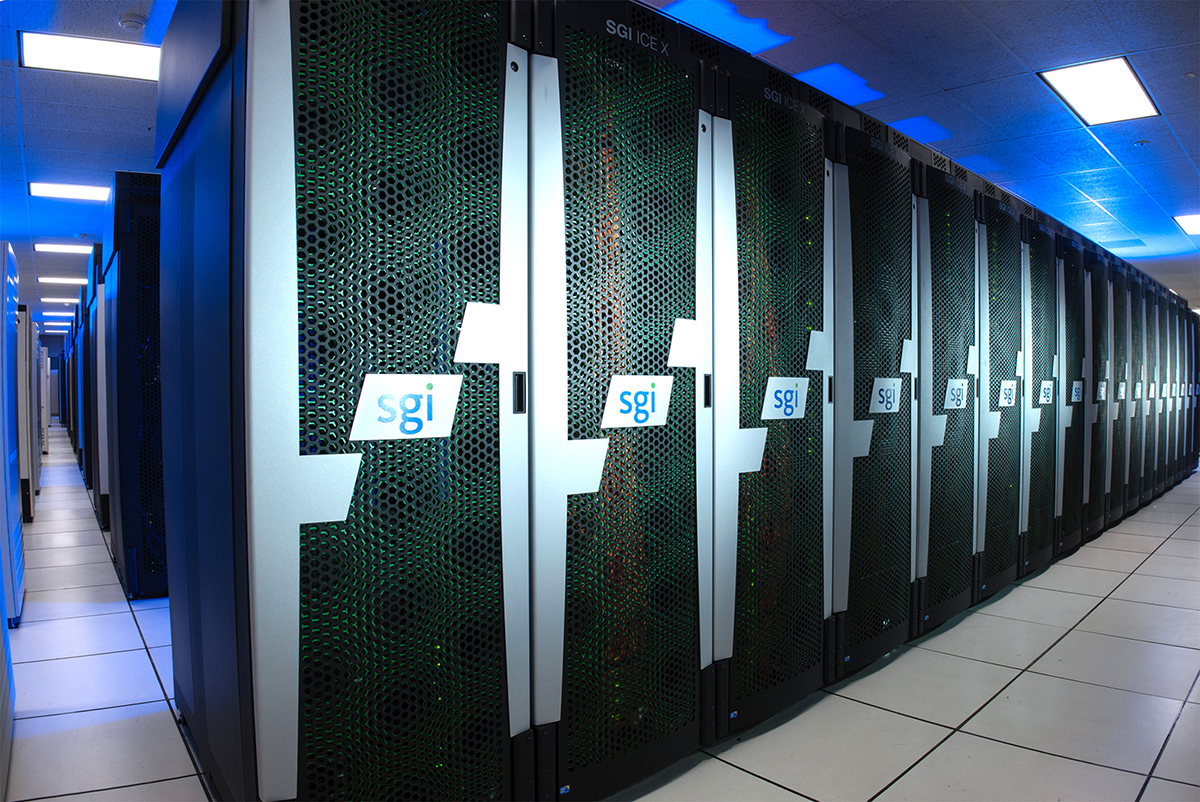
| Core machinery | Factories, looms, railways, ports | Data centers, GPUs, power grids, clouds |
| Middle passage | Urban poverty, long hours, falling value of craft skill | White-collar price pressure, platform dependence, faster work rhythms |
| What becomes decisive? | Labor law, welfare states, ownership of capital | Data rights, AI infrastructure, retraining, distributional institutions |
Wealth does not arrive gracefully
The Industrial Revolution, taken over the long horizon, made humanity overwhelmingly richer. The medicine, transportation, heating, communication, education, food, and entertainment available to an ordinary person today would have seemed impossible even to royalty in earlier centuries. The kind of information access that felt like a far-off dream a hundred years ago now sits on a phone in a pocket.
The road to that wealth was not beautiful.
Rural communities broke apart. People poured into the cities. The skills of craftsmen lost value in front of machines. Factory workers labored long hours, and children were pulled into the same labor. Capitalists became rich. Workers became angry. That anger flowed into labor movements, into socialism and communism, into the welfare state, and eventually into the ideological war of the twentieth century.
This is what the Industrial Revolution was. Humanity became enormously wealthier. Along the way, an enormous number of people were ground through the gears of their era.
The AI revolution may show a similar face.
In the long run, AI can produce immense abundance. A student gets a private tutor. A doctor gets a diagnostic assistant. A founder gets a researcher, a designer, and a copywriter at the same time. A small company can analyze like a large one. An individual can attempt work that once required an institution.
The trouble, as always, is the middle.
Translators, copywriters, junior developers, analysts, accounting assistants, paralegals, marketers, content producers — they already feel a strange flicker of recognition.
- A worker in the 2020sWasn't a person supposed to be doing this?
A craftsman in the Industrial Revolution would have felt something close to it.
- A craftsman in the nineteenth centuryThat machine has imitated in a day what took me twenty years to learn.
AI will not erase every job. History rarely moves that simply. But AI can change the price of many kinds of work. The ability to write well used to be a skill in itself. From now on, the more valuable skill may be choosing, editing, directing, and taking responsibility for what an AI has produced.
The work may stay. The wage and the status of the work may not.
That difference matters. Not everyone becomes the supervisor of the machines. Some people direct the AI; others run to keep up with the speed the AI has set. Some gain leverage by sitting on the platform; others become contractors underneath it.
Technology looks evenly distributed. The ability to earn from technology never is.
From the factory to the model
The Industrial Revolution cannot be separated from empire.
A factory needs raw materials. A factory needs markets. So the industrial nations went outward. First it was trade. Then it was fleets. At some point a flag was planted.
The great powers of the industrial era were the countries that held coal, iron, steamships, railways, factories, and navies. They held the sea lanes, the markets, and the supply of raw materials.
What will the great powers of the AI era hold?
Most likely semiconductors, data centers, electrical grids, cloud platforms, frontier models, data, talent, and regulatory standards. Where the old empires controlled harbors and railways, the next empires may control inference infrastructure.
A country no longer needs to be militarily occupied. If its companies, schools, hospitals, newspapers, and government offices all depend on foreign AI models and foreign clouds, then the country may be formally independent while the substrate of its knowledge production sits on someone else's platform.
The periphery of the old world supplied raw materials and imported finished goods. The periphery of the new world may supply data and import judgment.
Calling this colonialism would be an exaggeration. The structure, though, has an uneasy resemblance. The center holds the infrastructure and sets the standards. The periphery uses them. The center collects a fee. The periphery pays a subscription.
In the past there were colonial governors. In the future there may be API dashboards. The interface is more elegant, but the underlying dependency persists.
AI is a factory that eats electricity
When people talk about AI, they reach quickly for abstract words. Intelligence. Emergence. Superintelligence. Singularity. Consciousness.
These are real topics. But to remain inside them is to miss the world. AI looks like metaphysics from the outside. In reality it is an intensely material technology.
AI eats electricity. It eats silicon. It eats coolant. It eats land for data centers. It eats capital, and a great deal of it.
The same was true of the Industrial Revolution. The steam engine alone did not transform the world. There was also coal, iron, canals, railways, the labor of cities, and the capital markets that financed them.
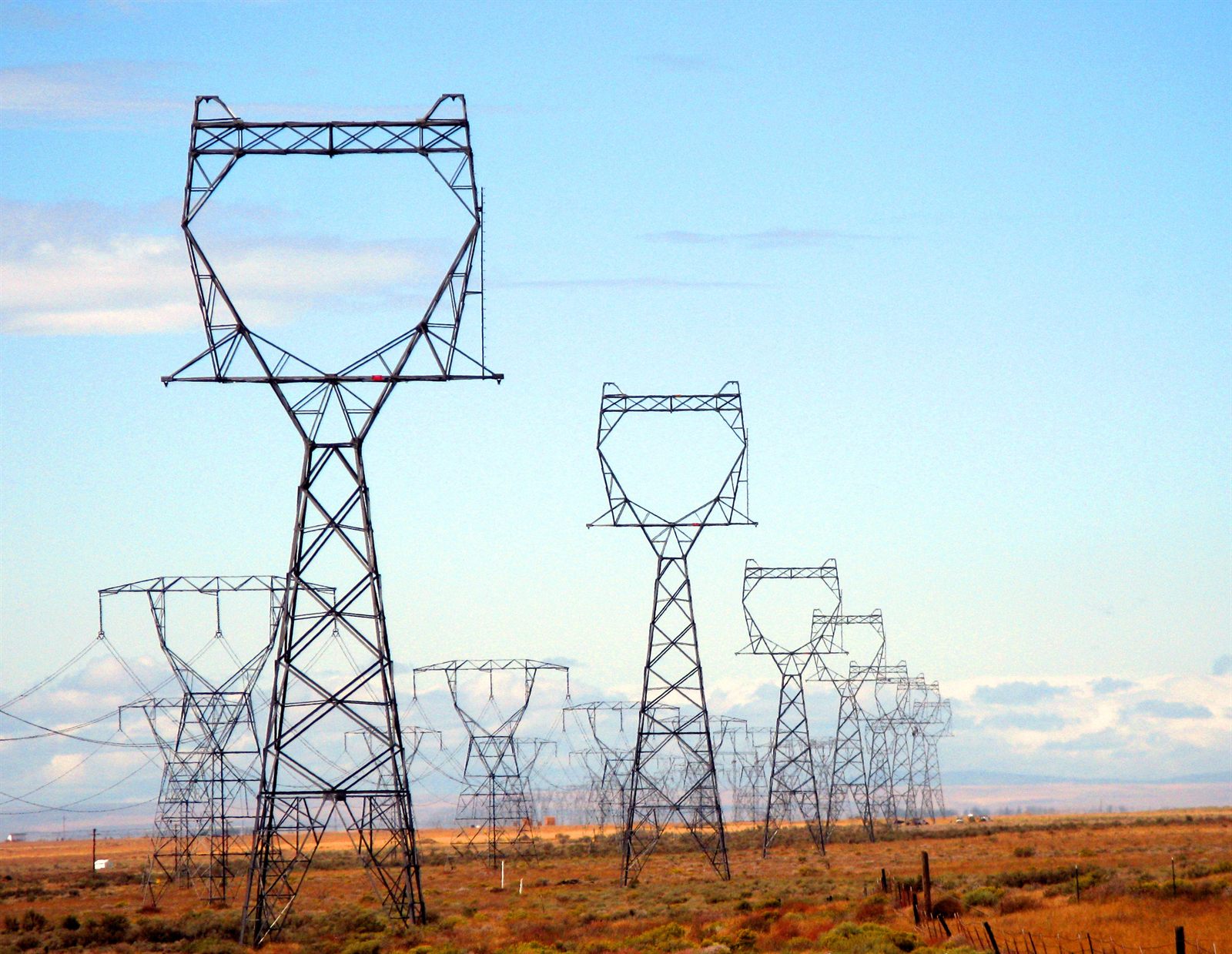
AI looks like software. It is closer to an infrastructure revolution. Data centers are the factories of the twenty-first century. GPUs are its looms. The electrical grid is its railroad. The cloud is its harbor.
The AI revolution is not happening only on a screen. Behind the screen sit power, semiconductors, cooling, real estate, supply chains, and geopolitics.
No matter how intelligent the model, when the electricity stops the model falls silent. AI, for now, is not a god. It is an extremely expensive appliance.
Investment follows bottlenecks, not buzzwords
This is where the conversation naturally turns to investment.
What were the truly powerful assets of the Industrial Revolution? Not the loom alone. Coal, railways, ports, factories, machine works, finance, land, shipping, telegraphy, and the firms that came to dominate the new markets above them. Capital did not pile up around a single elegant invention. It flowed into the whole ecosystem that made the invention work.
The AI era deserves to be read in the same way.
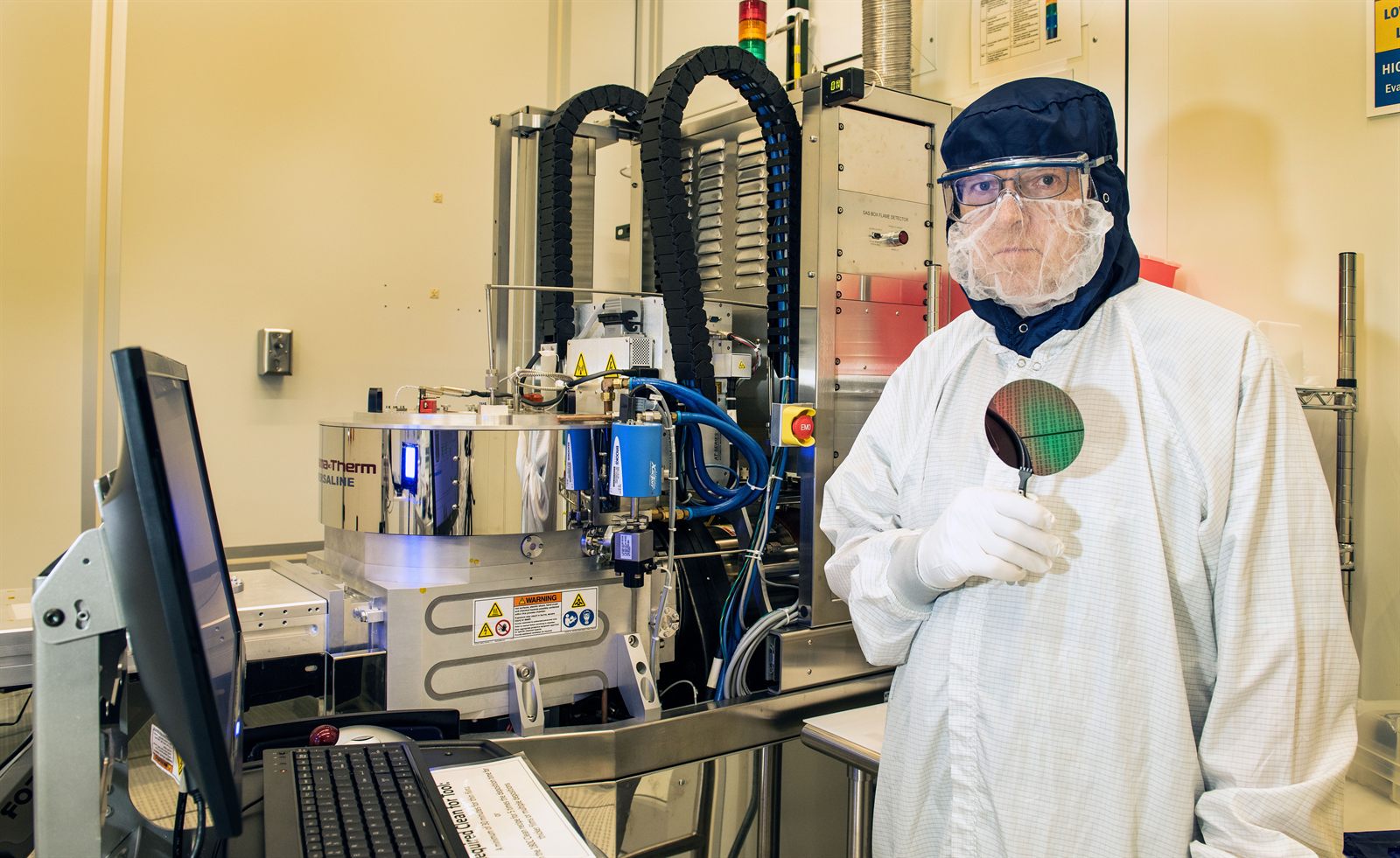
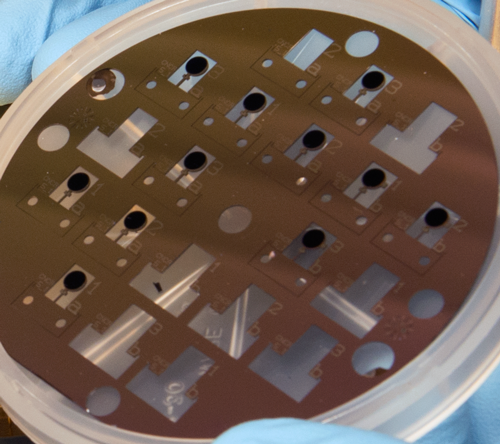
The first axis is AI infrastructure. Semiconductors, GPUs, memory, foundries, semiconductor equipment, data centers, cloud, networking, cooling, and power. If AI is the new factory, these are the steel beams, the power plants, and the machines that build the factory.
The second axis is power and energy. AI is a more physical industry than it looks. As models grow and usage grows, electricity demand grows with them. Nuclear, gas, transmission, transformers, substations, and energy storage all become part of the substrate. AI looks digital, but its heart beats on the grid.
The third axis is data and software platforms. Not only the companies that build the models matter. Companies that own the data of a specific industry, software that already sits deep inside workflows, and platforms that can lift revenue per customer when AI is added — all of them stand to benefit. AI is ultimately about what it attaches to. It becomes profit when it touches hospitals, finance, law, manufacturing, design, education, advertising, and security — places where money already flows.
The fourth axis is assets that own a real-world bottleneck. A power grid cannot be built overnight. A semiconductor fab cannot be doubled in a quarter. Data center sites are scarce. Cooling and transmission become constraints. Assets that hold those bottlenecks may become more valuable, not less, in the AI era.
A warning belongs alongside the framework. Not every railway company of the Industrial Revolution survived. The railway changed the world; not every railway investor became rich. Being correct about the direction of technology and being correct about an investable security are not the same question.
The same is true of AI. The claim that AI will change the world and the claim that any particular AI-adjacent stock is a good investment are very different claims. Bubbles tend to gather around great technologies, because the greater the technology, the more easily the future gets dragged into today's price.
So an investor in the AI era should ask a sharper question.
Not "AI is rising," but "What is the thing that the world will definitely need more of as AI spreads?"
Is it the model. The chip. The electricity. The data center. The security layer. The industry-specific data. The workflow software. The platform that binds them.
Good AI-era investments are likely to sit closer to bottlenecks than to glossy decks. In a gold rush, the people who quietly grew rich were those selling picks and jeans. The metaphor still holds. The picks of this gold rush are simply not made of wood; they are GPUs, transmission lines, and data centers.
| Bottleneck | Why it matters | Question to ask |
|---|---|---|
| Chips and tools | Larger models raise demand for compute and memory. | Can supply capacity and customer concentration be managed together? |
| Power and cooling | Data centers cannot escape electricity and heat. | Are power contracts, grid access, and cooling efficiency secured? |
| Industry data | AI becomes more valuable when it attaches to real workflows. | Is the company already inside the customer's operating rhythm? |
| Verification and security | The more AI is used, the more costly error and accountability become. | Are there controls trusted enough for regulated industries? |
A supervisor, not a worker
If investment is a question about assets, preparation is a question about productivity.
Personal preparation for the AI era does not end at "learn how to use AI." That is too shallow. The point is to use AI as a tool that multiplies one's own judgment and output.
The advantage moves toward people who can break a task into parts, hand the parts to AI, verify what comes back, and make the final call. The work shifts from carrying bricks one by one to overseeing several machines that build the house.
First, the ability to ask becomes essential. AI gives much better answers to people who ask much better questions. A vague question receives a vague answer; a sharp question receives a sharp one. Literacy, going forward, is less about reading words and more about restructuring a problem into a form that a machine can act on.
Second, the ability to verify becomes essential. AI can be wrong with fluency, and the fluency is what makes it dangerous. When a person is wrong, the wrongness usually shows on the surface. When AI is wrong, the wrongness can sound plausible. Expertise does not disappear in the AI era; it becomes more valuable. The novice cannot tell when the machine is wrong. Only the expert can drive the machine well.
Third, personal context becomes essential. When everyone uses the same models, generic outputs converge. The difference comes from the user's experience, perspective, data, taste, and sense of which problems are worth solving. The more the AI produces an average draft, the more the human has to carry deeper context and individuality.
Fourth, a sense of ownership becomes essential. The gap between someone who owned only labor and someone who owned a factory, land, or capital was enormous in the Industrial Revolution. A similar gap can open in the AI era. People who accumulate their own knowledge, content, code, data, brand, network, and investments will pull away from people who only sell short-term labor on platforms.
The whole preparation collapses into a single sentence.
To avoid being replaced by AI, you have to become not only a person who uses AI but a person who builds assets with AI.
The shadow of distribution
The Industrial Revolution opened a golden age of capitalism. Output exploded. Markets widened. Firms grew enormous. Precisely for that reason, the strongest critiques of capitalism were born in the same period.
Factory workers asked one question.
- A worker in the nineteenth centuryWhy do we work this hard while the rich live somewhere else?
That question shook the nineteenth century and carried into the ideological wars of the twentieth. Socialism, communism, labor unions, the welfare state, and social democracy were all born inside the shadow of the Industrial Revolution.
The AI era will produce its own version of that question.
AI raised productivity, so why is my salary the same. AI raised corporate profits, so why is it the workers who get laid off. The model was trained on human writing and pictures and data, so why does the platform collect the revenue. Everyone uses AI, so why does the real money go to the side that owns the infrastructure.
These are not light questions.
If AI truly lifts productivity at scale, total human wealth can grow. Who that wealth flows to is a separate problem. The wealth of the Industrial Revolution was not distributed fairly by default. Neither will the wealth of AI.
- LibertyCorporaTechnology grows the pie. Politics divides the pie. Institutions decide who gets to hold the fork.
The central debate of the AI era will move beyond technology and into distribution. Basic income, data ownership, AI taxation, shorter working hours, retraining, platform regulation, antitrust, and public AI infrastructure will become heavier and heavier items on the agenda.
The Industrial Revolution produced the Factory Acts, labor law, and the welfare state. What kind of institutions will the AI revolution produce?
That is not yet known. But producing no institution is itself a choice. The beneficiaries of that kind of choice are usually whoever already holds power.
Conclusion: thinking enters the factory
The AI revolution is not a simple repeat of the Industrial Revolution. Still, it is hard to make sense of AI without looking at the Industrial Revolution first.
The Industrial Revolution mechanized human muscle. The AI revolution mechanizes a portion of human cognition.
The Industrial Revolution built factories and cities. The AI revolution may build data centers and platform empires.
The Industrial Revolution detonated capitalism and gave birth, at the same time, to socialism and the welfare state. The AI revolution will produce its own order of wealth and its own political conflicts.
The Industrial Revolution made humanity richer, and the process was cruel. The AI revolution can also make humanity richer. To whom that wealth ultimately flows is not yet decided.
The right disposition for the AI era is neither vague optimism nor apocalyptic despair. What is needed is historical realism.
A great technology can change the world. Turning that into a good world is not something the technology can do alone.
Technology creates possibility. Institutions set direction. Politics distributes the cost. Each person has to choose, again, where they stand inside the change.
AI is not a clever new tool. It is knocking on the door of a new mode of production.
And the sound coming through the door, oddly enough, resembles the long-ago whistle of a steam engine.