
For Busy Readers
South Korea has good reasons to keep household debt in check. When easy mortgages and rising home prices feed each other, even a modest downturn can leave households and lenders exposed. Allowing credit to flow into property without restraint is not sound housing policy.
The harder question is who ends up carrying the burden. For a buyer with KRW 2 billion in cash, a mortgage cap is an inconvenience. For a high-earning household without inherited wealth, it can shut the door altogether. In other words, credit controls may change who is able to buy before they change the price of the home.
The timeline matters. Measures announced in 2025 tightened mortgage limits in the capital region and regulated areas, lowered first-time-buyer LTV treatment, reduced jeonse-loan guarantees and introduced price-tier caps of KRW 600 million, 400 million and 200 million. In 2026, the Financial Services Commission set a 1.5% managed growth target for household lending, restricted maturity extensions on certain apartment-backed loans held by multi-homeowners, and extended the price-tier rules to online investment-linked lenders.
These policies can slow both lending and transactions. But fewer sales do not automatically mean lower prices. If buyers cannot raise the money and owners feel no pressure to accept less, the market may simply go quiet. Seoul apartment prices were still up 0.27% in the week to July 20, 2026, extending their rise to 76 consecutive weeks.
The pressure can also turn up somewhere else. A household that cannot buy stays in the rental market, and tighter jeonse finance may turn a large deposit into higher monthly rent or a longer commute. Housing policy should therefore be judged not only by the price index, but by who can still reach ownership and who must pay more to remain a tenant.

Rules cannot account for every buyer's circumstances
Korean housing policy often promises to protect people buying a home to live in while curbing speculation. The distinction sounds straightforward, until it meets real life.
A worker who buys closer to the office has an immediate housing need and may also expect the property to appreciate. Someone purchasing a small second unit for retirement income becomes a multi-homeowner in administrative terms. An inherited share in an old provincial house can produce the same label.
Officials cannot examine every household one by one, so they rely on proxies such as home count, price, location and loan size. Those rules are practical to enforce, but they cannot fully reflect either a family's housing need or its ability to repay.
A June 2025 package reduced first-time-buyer LTV treatment in the capital region and regulated areas from 80% to 70%, imposed a six-month occupancy requirement on financed purchases and cut the jeonse guarantee ratio from 90% to 80%. Newly designated regulated zones in 2026 brought a general 40% LTV, while first-home and policy mortgages retained 60-70% treatment. The cash required of a genuine buyer now depends heavily on geography and product design.
That does not make the rules inherently wrong. Lower leverage can reduce financial risk. Still, a good intention is not the whole policy story. Policymakers also need to show who is being asked to bear the cost.

Mortgage caps may change the buyer before the price
Consider a Seoul apartment priced at KRW 2 billion. A home priced between KRW 1.5 billion and KRW 2.5 billion faces a mortgage ceiling of KRW 400 million, subject to still tighter LTV and DSR screening. Excluding taxes and fees, the buyer may need roughly KRW 1.6 billion in equity.
A professional couple may earn enough to service a long mortgage but still lack that much cash today. A wealthier household can buy without borrowing at all. The rule makes wealth already held more valuable than income still to be earned.
Credit does carry risk. Loose lending can push property prices higher and leave borrowers vulnerable when rates rise. This is not an argument for abandoning prudential controls.
How those controls are designed still matters. DSR compares debt payments with the borrower's income, while a fixed cap looks first at the property's price. Two households buying the same home face the same ceiling even when their incomes are very different. DSR may distinguish between them later, but the absolute cap does not move.
Over time, expensive districts can become detached from ordinary mortgage finance. Prices need not fall enough to restore access; the market can instead become one for buyers who do not need credit in the first place.
Blocked demand finds another route
Housing and finance do not sit in separate boxes. Restrict bank mortgages and some buyers turn to nonbanks, company loans or family money. Regulate one district and attention shifts to the next. Make a purchase impossible and households remain in jeonse or monthly rent for longer.
There is nothing inherently improper about adapting to a new rule. The difficulty comes when policy evaluation stops at the market that was directly targeted. A fall in bank mortgages tells us little about the growing advantage enjoyed by households that can receive a large family transfer.
The 2026 decision to apply LTV and price-tier limits to online investment-linked lenders was explicitly designed to prevent a balloon effect. It may close a genuine loophole. It can also increase the relative advantage of buyers able to secure funds outside formal credit.
So the question is not simply whether lending disappeared from a regulated channel. We also need to know whether the burden moved into a more expensive and less visible one.
A quiet market is not necessarily a cheaper one
Transactions often fall first. First-time buyers struggle to assemble cash, while existing owners find it harder to sell one home and finance the next. Estate agents receive fewer calls and reported sales decline.
Prices fall only when sellers accept less. An owner with manageable interest costs and no urgent need for liquidity can withdraw the listing. If selling also makes it difficult to buy a replacement home, waiting becomes more attractive.
This creates a locked market: buyers and sellers retreat together. A small number of premium deals or distressed sales then carries more weight in the index, weakening price discovery.
The Korea Real Estate Board reported that Seoul apartment prices rose 0.27% in the week to July 20, 2026, marking a 76th consecutive week of gains. It is too early to declare long-run policy failure. The data do show that restricting transactions and reversing the price trend are different processes.
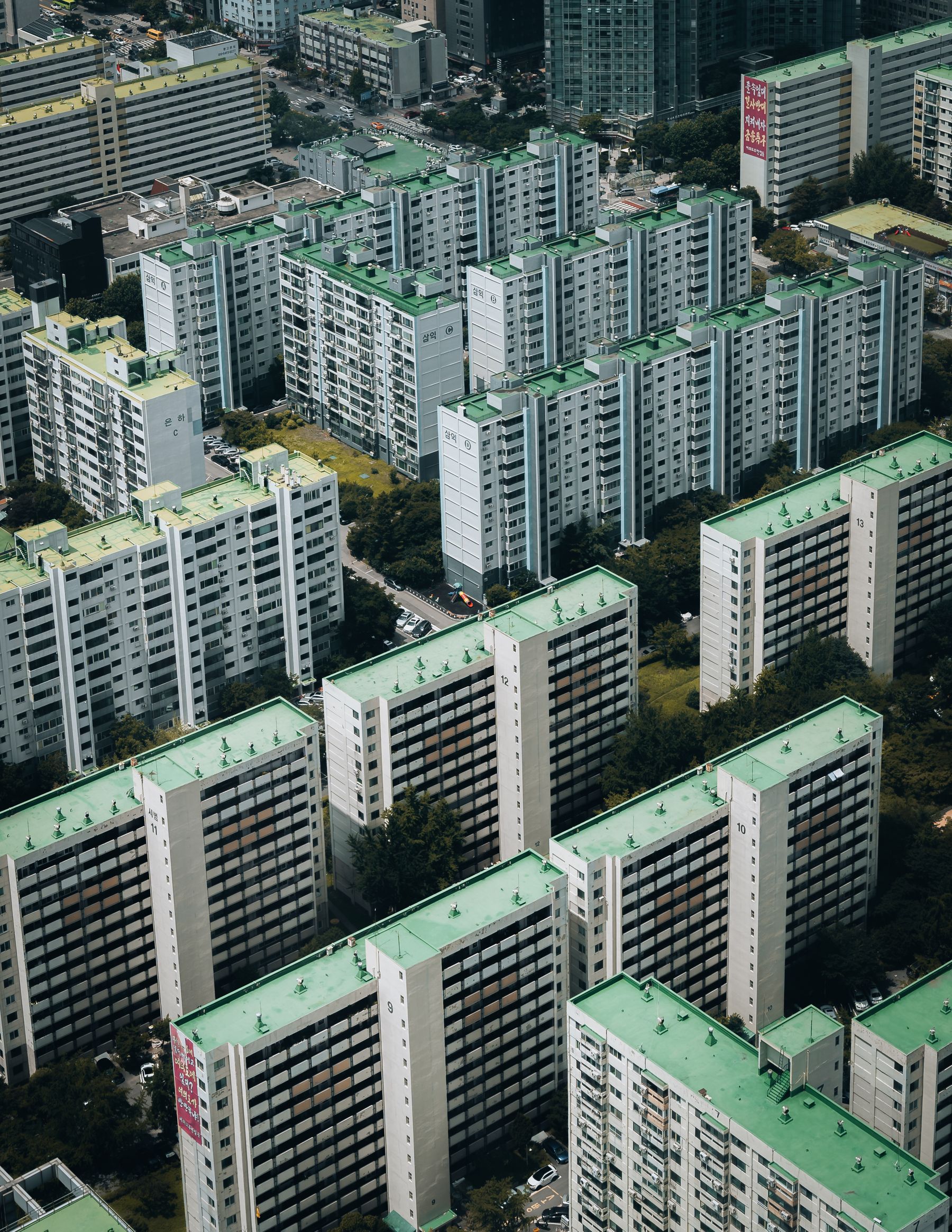
Tighter jeonse lending can raise the monthly rent burden
Jeonse is Korea's large-deposit rental system: tenants provide a substantial refundable deposit instead of paying most of the cost each month. Because landlords can use that money elsewhere, critics argue that jeonse lending can indirectly add leverage to the housing market.
The person taking out the loan, however, is the tenant. If a household needs KRW 300 million in financing to complete a KRW 600 million deposit and cannot obtain it, the choices narrow quickly: a smaller home, a longer commute or a larger monthly rent payment.
The housing cost has not vanished. A lump-sum financing problem may become a recurring cash-flow problem. Landlords may also prefer semi-jeonse or monthly rent if tenants can no longer finance large deposits.
On paper, household-debt figures may improve. In everyday life, the tenant's monthly budget may get worse because rent does not appear as debt. Younger households with steady incomes but little accumulated capital feel that gap most sharply.

Seoul's housing market is not explained by credit alone
Credit and expectations matter, but they do not explain Seoul on their own. Proximity to Gangnam, Yeouido, Gwanghwamun and Pangyo, along with transport, schools, hospitals and shops, draws demand to particular neighborhoods. A new lending ceiling does not move an office district or a subway line.
Seoul is not one uniform market either. A new complex near a major employment center and an older small apartment on the outskirts respond to different forces. The gap grows wider still between the capital and regions that are losing both people and jobs.
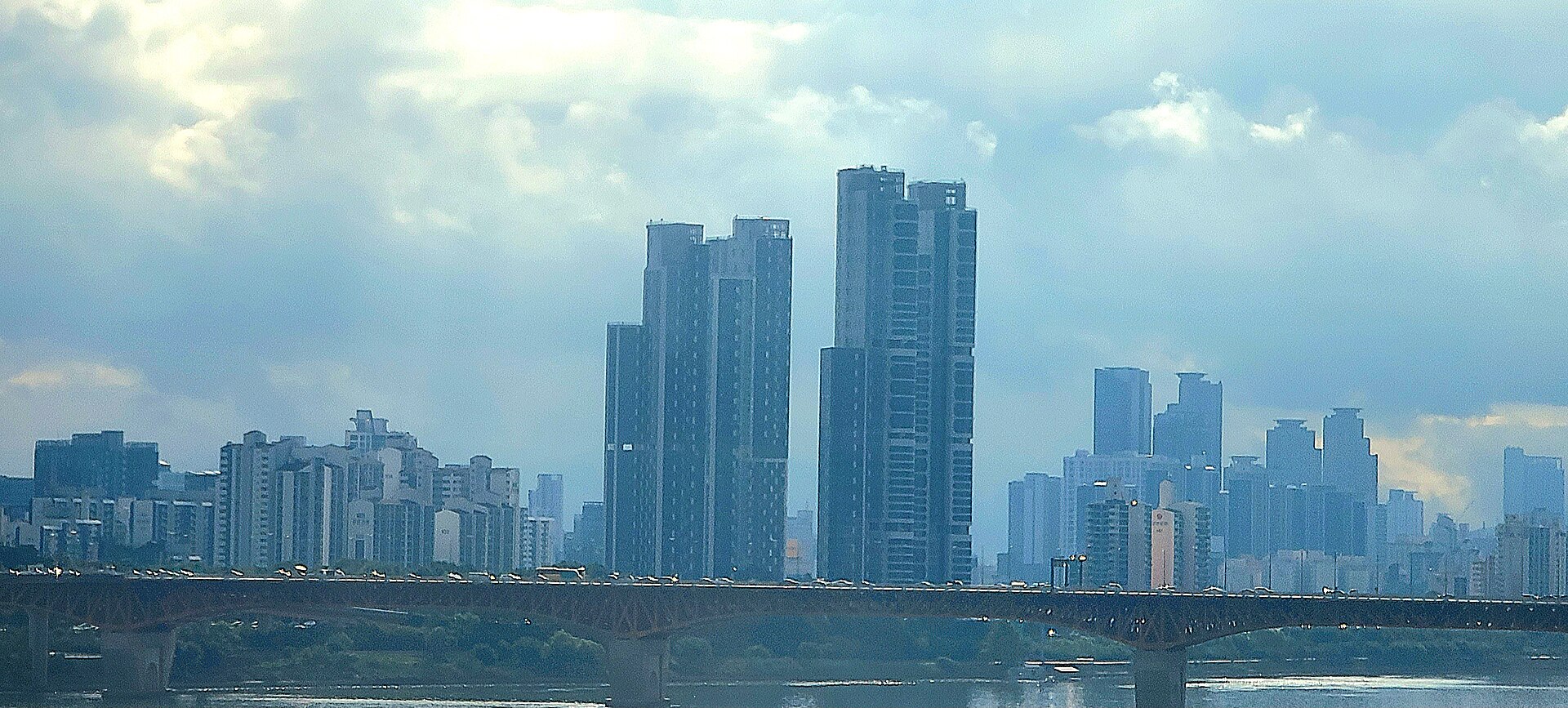
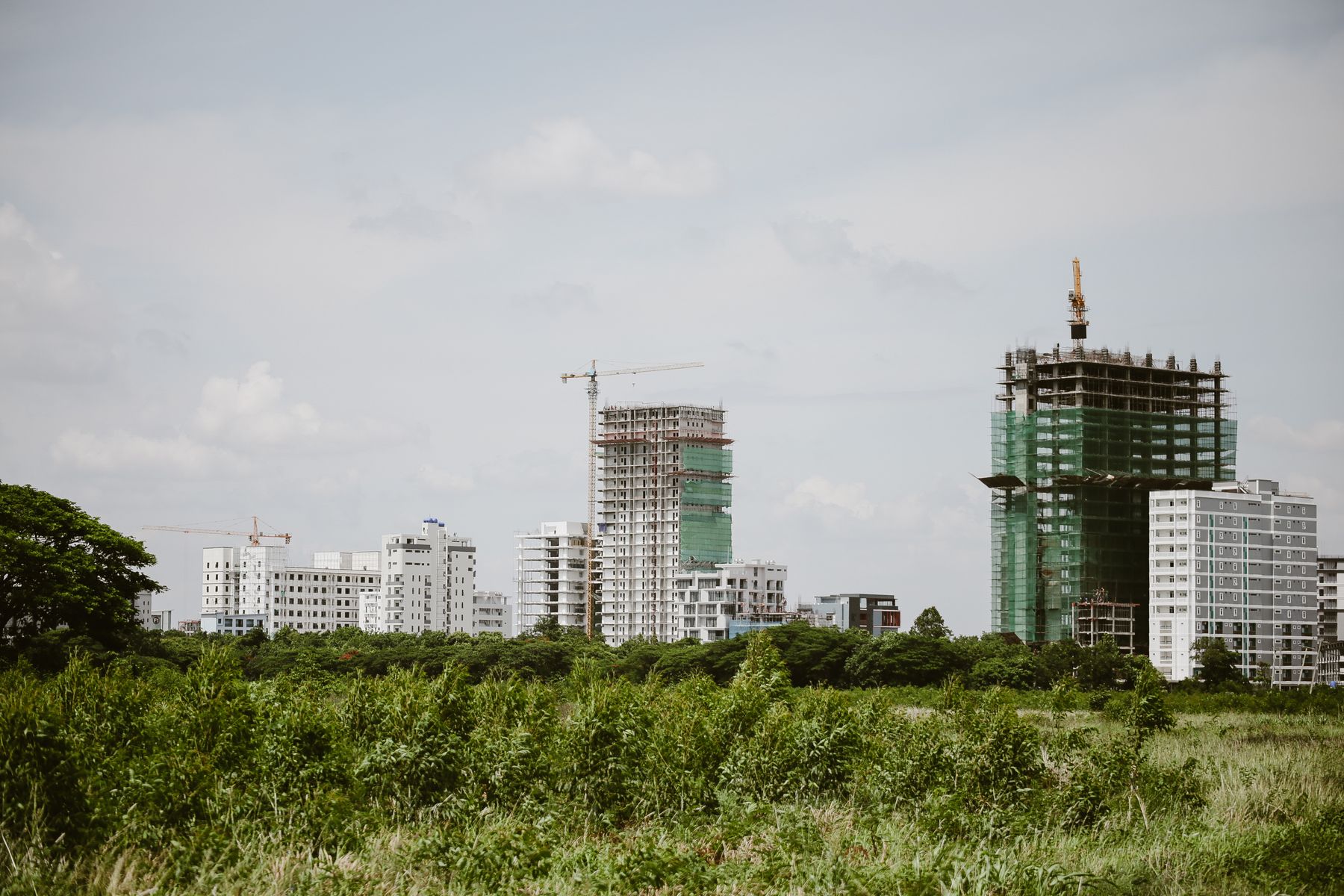
Structural scarcity cannot be solved without more supply. Yet supply should be measured in homes that are completed and ready to occupy, not in announcements. Land designation, permits, financing, construction and sales take years, while redevelopment adds negotiations over costs, assessments and approvals.
Supply policy can also conflict with price controls. Developers face land, construction and financing costs. If expected returns become too weak, projects are delayed. That is not an argument to remove safety, infrastructure or environmental rules. It is an argument to calculate openly how each rule affects timing and feasibility.
What earlier controls show
Earlier cases show that targeted controls can work while also creating costs elsewhere. Both outcomes matter.
The United States once capped the interest banks and thrift institutions could pay under Regulation Q. As market rates rose above the ceiling, deposits migrated to higher-yielding alternatives. The Federal Reserve's history describes strains including the 1966 mortgage-credit crunch and the later growth of products outside the regulated channel. The ceiling restrained a rate; it did not stop money from moving.
Japan's 1990 quantitative restriction required banks to hold the growth of real-estate lending below overall loan growth. Bank of Japan research finds effects beyond property lending and land prices, reaching wider credit and economic activity. The restriction did not single-handedly cause Japan's long stagnation, but it shows how a sector-specific tool can spread through connected balance sheets.
Korea's LTV and DTI rules also affect housing credit, transactions and prices. Research by the Bank of Korea and KDI supports the prudential value of such tools while showing their macroeconomic reach. These controls are not useless. They are simply not precision dials that move only one target.
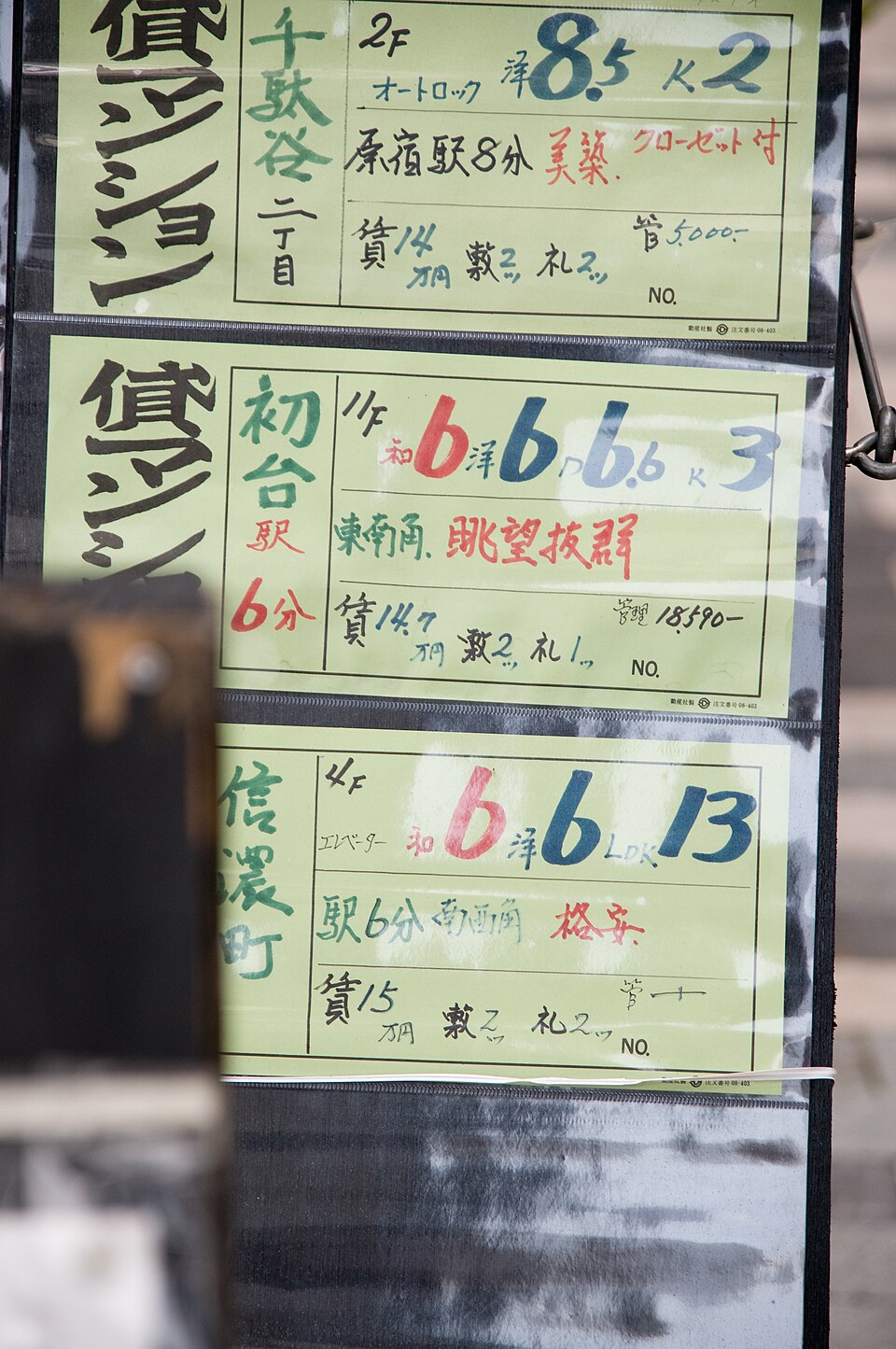

![Wikimedia Commons / [cipher], CC BY-SA 2.0](https://commons.wikimedia.org/wiki/File:Apartment_rentals_AD_labels_at_the_Real_estate_store_in_Tokyo.jpg)
What happens when rules keep piling up
The current measures are often compared with those of the Moon Jae-in administration, largely because the sequence feels familiar: expand regulated areas, restrict credit for expensive homes and multi-homeowners, tighten rental finance, then add another rule when demand finds a different route.
The December 2019 package banned home-purchase mortgages on apartments valued above KRW 1.5 billion in speculative zones. The rule was clear, but the threshold became a new market boundary. Demand shifted around it, and cash buyers gained relative power.
The setting is different today. The Bank of Korea raised its policy rate from 2.50% to 2.75% in July 2026, and household balance sheets and supply conditions have changed. The same outcome is not inevitable.
Even so, a cycle of restriction, circumvention, exception and further restriction steadily makes the system harder to navigate. That favors households with advisers, flexible funding and time. It weighs most heavily on buyers who may purchase a home only once or twice in their lives.
The market is likely to move in several directions at once
The most plausible outcome is neither a nationwide boom nor a uniform crash. It is a market that splits in several directions. Scarce new housing near major employment centers may remain resilient because more buyers there can rely on cash. At the same time, some demand may shift toward mid-priced homes that fit within the cap.
Peripheral markets that recently rose quickly, rely heavily on credit or face a large completion pipeline are more sensitive. Regional outcomes will depend increasingly on local jobs and demographics. Rental costs may become the first source of pain if blocked buyers remain tenants.
A downside remains possible. The Bank of Korea raised the base rate to 2.75% in July as inflation and financial-stability risks persisted. Higher-for-longer rates, weaker employment in high-income sectors, forced sales or faster completions in desirable areas could accelerate a correction.
Even then, cheaper housing does not guarantee access. A KRW 2 billion home falling to KRW 1.8 billion still requires KRW 1.4 billion in equity under a KRW 400 million cap. A falling market can also favor cash-rich buyers.
Conclusion: lower prices are not enough
Korea does need to manage household debt. Credit that continually pushes up property prices can weaken households and banks alike. But the need for regulation does not make every existing rule well designed.
Rules based on price, location and home count are easy to enforce but cannot fully capture repayment capacity or housing need. They can exclude asset-poor households alongside speculators.
Demand does not simply disappear. It moves from purchase to rent, from banks to family finance, and from central districts to nearby markets. Those with the fewest alternative routes tend to bear the cost first.
That is why policy evaluation should look beyond prices and loan growth. The equity required of first-time buyers, locked transactions, rent burdens, commuting costs and completed housing supply all belong in the picture.
If prices stabilize while only cash-rich households can buy, the country has not achieved meaningful housing stability. It has steadied one number while narrowing the route from earned income to ownership.